
I can't say what's safe for any other person to drink, but I'd decided to go ahead and give it a try, since I'd seen so many videos about it on Youtube. Also, I recently learned that Alka Seltzer appears to have the same basic ingredients as baking soda and lime juice.
Not only did I have ZERO negative side effects, but I actually felt good after drinking it.
Here's what it says on the box (photo below) from this page:
 Arm & Hammer™ Pure Baking Soda.
The standard of purity.
America's #1 trusted baking soda brand.
Hundreds of uses like: Natural cleaning for your whole kitchen.
Net Wt. 2 lb. (907 g).
Purity for over 165 years.
It's true that all baking sodas must meet minimum quality standards before they can reach the consumer, but despite popular belief, all baking sodas are not made with the same level of care. For over 165 years, Arm & Hammer™ Baking Soda has exceeded quality standards to deliver a product that maintains a commitment to purity and quality. That places Arm & Hammer™ Baking Soda in a category apart from any other baking soda. Our purity meets the most stringent requirements and conforms to pharmaceutical and food code standards around the world. Not every baking soda can make that claim.
Because we understand it's important to you, Arm & Hammer™ Baking Soda is committed to making sure that what you put into your body and use in your home is as pure as it can be.
Visit us for more useful ideas you can count on from a product you trust. As always, Arm & Hammer™ Baking Soda is the natural and affordable solution for cleaning and freshening throughout your home.
Uses relieves:
Heartburn.
Acid Indigestion.
Sour stomach. And upset stomach due to these symptoms.
For a fresher cleaner home.
Arm & Hammer™ baking soda is pure, safe and natural.
Try Fridge-N-Freezer™ odor eliminator.
Other Information: (Antacid): Each 1/2 teaspoon contains 616 mg sodium. Misc: The standard of purity.
Use a new box each month for fresher tasting food.
Buy one for your fridge and one for your freezer!
For more baking soda tips and special offers.
Box made from 100% recycled paperboard (Minimum 35% post-consumer content). ARM & HAMMER™ Baking soda is pure, safe and natural.


What is bicarbonate of soda?
Aka baking soda, is a leavening agent used in baking and needs to be mixed with liquid and an acidic ingredient (eg honey, chocolate, lemon, buttermilk) to react and make cakes rise.
Thanks to it's alkaline quality when mixed with acid (such as milk) it neutralises the mixture and creates carbon dioxide, causing it to expand before it’s replaced with air – hence why it's such a useful rising agent, especially when baking cakes and soda bread.
Should you accidentally add too much baking soda to a mixture, it's bitter and salty taste will come through in the food. Similarly, if it's not carefully mixed in with an acid to create the neutralisation reaction, this can also result in bitter-tasting food.
26. Unblock drains with bicarbonate of soda
Pour in 100g (4oz) bicarb followed by 100ml (4 fl oz) hot vinegar to quickly unclog the kitchen drain.
33. Bicarb can help soothe a sore throat
There are lots of natural ways to soothe a sore throat, and gargling with baking soda in water is one of them.
36. Clean your sponges for reuse
37. Clean a pet bed with baking soda
If your dog or cat bed is a bit smelly, sprinkle it with bicarb, let it sit for 15 minutes, then vacuum it up.
38. Stop shoes smelling with bicarb
Sprinkle baking soda into stinky trainers - and even your whole gym bag - and leave it. Just tap it out when you next need to use them
There's more great advice in every issue of Yours magazine, out every fortnight on a Tuesday.
40. Natural deodorant
To keep fresh without using deodorant, lightly pat baking soda under your arms to help any body odour.
42. Keep flowers fresher for longer
Add a teaspoon of baking powder to your vase of flowers to keep the bunch looking and smelling fresher for longer.
22. Make marvellous mouthwash with baking soda
2. Keep litter tray smells at bay with bicarb
Sprinkle bicarbonate of soda in the cat box, then add litter on top to keep smells to a minimum.
Gargle with bicarb to freshen your breath and keep your teeth healthy.
8. Make a natural homemade bathroom cleaner
5. Get whiter, brighter clothes with baking soda
Make your own bathroom scrub by mixing 50g bicarbonate of soda with 1 tablespoon liquid detergent. Add vinegar to give it a thick, creamy texture.
If your cleaning sponges are a bit sad or smelly, leave them to soak in warm water and bicarb, and give them a good rinse through in the morning.
JANUARY 21, 2015 by KAREN FOSTER
Baking soda is likely the most inexpensive health remedy in the world. It is effective at combating everything from colds to cancer, as well as beneficial for oral health, deodorants and so much more. If it's one thing you want in your home pharmacy, it's baking soda.

Note: People still confuse baking soda with baking powder and the presence of aluminum. Baking soda has never had aluminum.
Sodium Bicarbonate (NaHCO3) commonly called baking soda is a natural substance used in the human body within the bloodstream to regulate pH as a counterbalance to acid build up, which is critical to life. It affects the pH of cells and tissues, balances cell voltage, and increases CO2 which helps with oxygenation. Sodium Bicarbonate is a powerful medical tool that everyone would benefit by knowing more about.
1) Oral Health. A plaque-busting tooth and gum paste
Baking soda is a popular ingredient in toothpastes and mouthwashes since it has been shown to enhance plaque removal. For an incredibly effective tooth and gum paste, use a mixture of six parts of baking soda to one part of sea salt. Place them in a blender and mix for 30 seconds, then place in a container to use. Wet the tip of your index finger and place a small amount of the salt and soda mixture on your gums. Starting with the upper outside gums and then the inside of the upper, followed by the lower outside of the gums then the lower inside, rub the mixture onto your teeth and gums. Spit out the excess. After 15 minutes rinse your mouth. This mixture is incredibly effective at killing bacteria. For a natural way to whiten your teeth, crush one ripe strawberry and mix it with 1/2 teaspoon of baking soda. Spread the mixture onto your teeth and leave on for five minutes. Then brush your teeth and rinse. This method should be used no more than once a week, as excessive use could potentially damage your tooth enamel.
2) Natural Deodorant.
Using baking soda as a deodorant is a simple way to combat body odor without subjecting your pits to a variety of chemicals. Mix an eighth of a teaspoon of baking soda with a little bit of water -- don't dissolve it -- and rub it under your arms. You can also create a baking soda and cornstarch mix to fight odor and help prevent wetness. Simply mix one part baking soda with six parts cornstarch and dust a little on your underarms. You can also dip finger in water, then apply baking soda to each arm pit and spread the solution with a natural deodorant crystal.
3) Kidney Disease
Bicarbonate is an alkaline substance naturally produced in the body that buffers acids and helps keep pH in check. In people who have chronic kidney disease, which is most often caused by diabetes or hypertension, poorly functioning kidneys have a hard time removing acid from the body. This often results in a condition known as metabolic acidosis.
In one study, British researchers treated patients with advanced kidney disease and metabolic acidosis with oral sodium bicarbonate in conjunction with their usual treatment for two years. The sodium bicarbonate slowed the rate of decline in kidney function by two-thirds, and just 6.5 percent of the patients treated with sodium bicarbonate required dialysis by the end of the study, compared to 33 percent in a control group. Discuss this with your physician and encourage him to look into this promising therapy, which can slow the progression of this devastating disease.
4) Cancer
Studies have shown that dietary measures to boost bicarbonate levels can increase the pH of acidic tumors without upsetting the pH of the blood and healthy tissues. Although this hasn’t yet been studied in human clinical trials, animal models of human breast cancer show that oral sodium bicarbonate does indeed make tumors more alkaline and inhibit metastasis. Based on these studies, plus the fact that baking soda is safe and well tolerated, world renowned doctors such as Dr. Julian Whitaker have adopted successful cancer treatment protocols as part of an overall nutritional and immune support program for patients who are dealing with the disease. The Whitaker protocol uses 12 g (2 rounded teaspoons) of baking soda mixed in 2 cups water, along with a low-cal sweetener of your choice. (It’s quite salty tasting.) Sip this mixture over the course of an hour or two and repeat for a total of three times a day. One man claims he has found a cure for cancer using baking soda and molasses and actually successfully treated his own disease by using baking soda.
5) Dermatological Conditions
For insect bites, make a paste out of baking soda and water, and apply as a salve onto affected skin. To ease the itch, shake some baking soda into your hand and rub it into damp skin after bath or shower.
As a Sunburn remedy, add 1/2 cup of baking soda to lukewarm bathwater, then soak in the tub for natural relief. When you get out, let your skin air dry, rather than toweling off the excess baking soda, for extra relief. You can also add a mixture of baking soda and water to a cool compress and apply it to the sunburn directly.
Skip harsh soaps and gently scrub away ground-in dirt and neutralize odors on hands with a paste of 3 parts baking soda to 1 part water, or 3 parts baking soda to gentle liquid hand soap. Then rinse clean.
A paste made from three parts of baking soda combined with 1 part water can be used as an exfoliator for your face and body. It's natural, inexpensive and gentle enough to use every day.
For splinters, add a tablespoon of baking soda to a small glass of water, then soak the affected area twice a day. Many splinters will come out on their own after a couple of days using this treatment.
If you can't afford a standard spa treatment, create a foot soak by adding baking soda to warm water. It's a well-known way to heal athlete's foot, but it's also great for easing calluses.
British researchers found that adding one-half cup of baking soda to bathwater soothed itchiness and irritation in patients with psoriasis.
6) Antacid. Use for heartburn, indigestion and even ulcers
Most over-the-counter antacids, such as Alka-Seltzer, Tums, and Rolaids, contain some form of bicarbonate. But a more cost-effective way to relieve occasional heartburn and indigestion is to stir half a teaspoon of baking soda into half a cup of water and drink it an hour or two after meals. Baking soda can neutralize pain from stomach and duodenal ulcers, GERD, hiatal hernia and other conditions causing acid relfux. One caution with ulcers is that you should not treat them chronically with baking soda. Although it helps at first, sodium bicarbonate can cause the stomach to produce more acid, which sometimes makes things worse.
7) Cold and Flu
In their booklet "Arm & Hammer Baking Soda Medical Uses," published in 1924, Dr. Volney S. Cheney recounts his clinical successes with sodium bicarbonate in treating cold and flu. He stated "treated all cases of 'cold,' influenza and LaGripe by first giving generous doses of bicarbonate of soda, and in many, many instances within 36 hours the symptoms would have entirely abated." Simply dissolve the recommended amount of baking soda in a glass of cold water and drink it. Recommended dosages from the Arm & Hammer Company for colds and influenza back in 1925 were:
- Day 1 -- Take six doses of 1/2 teaspoon of baking soda in glass of cool water, at about two-hour intervals
- Day 2 -- Take four doses of 1/2 teaspoon of baking soda in glass of cool water, at the same intervals
- Day 3 -- Take two doses of 1/2 teaspoon of baking soda in glass of cool water morning and evening, and thereafter 1/2 teaspoon in glass of cool water each morning until cold symptoms are gone
8) Energizer
Refresh with invigorating scents that wake you up. Make vibrant-smelling essential oils combined with baking soda to elevate mornings to a whole new level in the shower. Here's a great recipe.
Sources:
popsugar.com
drsircus.com
drwhitaker.com
mercola.com
hesperian.org
Karen Foster is a holistic nutritionist, avid blogger, with five kids and an active lifestyle that keeps her in pursuit of the healthiest path towards a life of balance.
I have to wonder if lemon juice gives you energy, because - as I just learned - it's related to ATP production.
I just learned tonight that your body actually makes citric acid, when you burn carbs, protein, and fats for energy. Your cells break down the citric acid, and it helps them to create ATP, which is essential for energy production.
I did a lot of research on ATP a few months ago, when I learned that the Healy device (one of the health devices I sell) can boost ATP by up to 500%. This may not sound like a big deal to some people, but to give you an idea of why this is such a valuable thing - since 2016 I've sold Bemer PEMF mats. They're awesome. People feel like they are life changing, and many people are willing to spend $6,000 on the professional model. I believe one of the reasons people feel really good after they use it, is because it can boost ATP production by 30%. But this Healy device can boost ATP by 500% (and it costs a lot less). Still love my Bemer, but... a lot of people feel that the Healy is more affordable.
Well you know what else is REALLY affordable? Lemons and limes... especially if you can pick them right off your own tree : ). Isn't it amazing how mother nature gives us so many awesome tools that can keep us healthy?
Our cells are like tiny power plants, and they owe part of their energy production capabilities to citric acid, the same citric acid found in citrus fruit. The citric acid cycle, or Krebs cycle, is the second stage of aerobic respiration in our mitochondria. Citric acid enters the Krebs cycle, and energy, in the form of ATP, comes out. What else can citric acid do?
Amazing Facts

The mitochondria are our cellular batteries and where citric acid is converted to energy
- After the first step in aerobic respiration, glycolysis, the product, pyruvate, is converted into acetyl-CoA and enters the Krebs cycle. The first step is the transfer of acetyl groups from acetyl-CoA molecules to oxaloacetate to form citrate, which eventually generates ATP. Citrate is the conjugate base of citric acid and this deprotonated form is found at physiological pH.
- Hans Adolf Krebs received the Nobel Prize in 1953 for discovering the Krebs cycle.
- Citric acid can be removed from fruit juice by adding calcium oxide (lime) to form calcium citrate. Calcium citrate is used as a food additive and flavoring.
- Citric acid and other citrate salts are also used in soft drinks, laxatives, cleaning products, cosmetics, and blueprint paper.
- This electric Sci Show experiment shows how citric acid can power more than the Krebs cycle of our cells.
YouTube - SciShow, 'How To Make A Lemon Battery' (video): https://www.youtube.com/watch?v=GhbuhT1GDpI
(Note: when I saw this video, I couldn't help wondering if part of the reason zinc is often suggested, to use with hydroxychloroquine, is becasue it creates a stronger negative charge, or makes you more alkaline? Just a thought. But it seems like it would make sense.... since they are called alkaline batteries)!
The mitochondria are our cellular batteries and where citric acid is converted to energy
Citric Acid
Citric acid is ubiquitous in nature and has major biochemical significance in the human body, but you don't need to consume it. Your cells make it when you burn carbohydrates, proteins, and fats for energy. The cells then break down the citric acid they've made to generate the energy molecule ATP -- adenosine triphosphate -- and the waste products carbon dioxide and water. Citric acid is common in foods as a preservative and flavoring agent.
If you have any personal concerns about it, check with your doctor first. You should also read what it says on the box of baking soda (I know I've seen it written that you're supposed to make sure it's completely dissolved, and you have to be careful not to take too much, too often).
Well, Scientific American did an article about how to make it. Sounds pretty safe to me! They call it a refreshing science activity, and call it Fizzy lemonade. But if you have any questions or concerns, go see a doctor.
You can see the original article here:
https://www.scientificamerican.com/article/make-your-own-fizzy-lemonade/


https://www.getoffyouracid.com/collections/all-products/products/daily-minerals-30-serving-canister
HEALTH BENEFITS
MOST BIOAVAILABLE MINERAL NUTRIENTS
Alkamind Daily Minerals contains your four most crucial, fast-absorbing alkaline minerals - calcium citrate, magnesium glycinate, potassium bicarbonate, and sodium bicarbonate...
Plus a high-mineral organic lemon juice powder that is high in Vitamin C, tastes great, and fights acid!
NOT ALL MINERALS ARE CREATED EQUAL
Most mineral supplements come in a tablet or capsule form, which does not absorb well (10-30%, and 50% absorption, respectively)...ultimately becoming expensive urine. Alkamind Daily Minerals is made with pure medical-grade minerals in a powder form that quickly dissolves in water, allowing 98% absorption (or more), within 30 seconds.
Take at night for better sleep, after a workout for faster recovery, or to battle sugar cravings, aches and pains, and stress.
WHAT IT DOES...
- Eliminate Acid Reflux
- Better Sleep
- Improve Digestion*
- Improve Constipation
- Reduce Sugar Cravings
- Fast Workout Recovery
- Mental Clarity
HOW IT DOES IT...
- 4 Pure Alkaline Minerals plus Organic Lemon Juice Powder
- 1:1 Ratio of Calcium to Magnesium
- Most Bioavailable Minerals
- Chelated Mg for highest levels of absorption and bioavailability
- Medical-Grade Minerals
- Fast Acting Powdered Delivery System
https://www.quora.com/Is-it-safe-to-eat-the-reaction-of-baking-soda-and-citric-acid
Is it safe to eat the reaction of baking soda and citric acid?
Probably… but there’s much easier ways to burp incessantly. Just ask almost any 8 year old boy.
Baking soda is sodium bicarbonate- NaHCO3. It reacts with citric acid to form sodium citrate and bicarbonate ion, which rapidly equilibrates to carbonic acid and then to carbon dioxide, forming the famous baking soda and acid bubbles.
None of these products nor the reactants are toxic in reasonable quantities. The biggest hazard is dental erosion from un-neutralized citric acid, and stomach pain caused by distension from the carbon dioxide. Breathing the reaction results is not advisable though!
Yes. Over-the-counter effervescent tablets for heartburn and other issues contain anhydrous citric acid and anhydrous sodium bicarbonate (baking soda) that react when dropped into water. The reaction produces CO2, which causes the effervescence (bubbles), sodium citrate, and water. After the bubbling stops, you are supposed to drink it to get the desired relief.

Probably no particular hazard, but why would you do it? No benefit.
THE 5 MISCONCEPTIONS ABOUT SALT THAT COULD BE RUINING YOUR HEALTH


There are so many myths and misunderstandings about salt, and these myths are contributing to the major health crisis that we are facing as a nation.
Every 90 seconds, someone will suffer from a heart attack.
In that same time, 2 people will have strokes, and 1 will die of cardiovascular disease.
Heart Disease is the #1 cause of death in the United States, and growing numbers of us are literally ticking time bombs!
This ‘no salt’ craze that you see and hear about has been from the efforts of the public health community to solve the heart disease epidemic.
But there is nothing more dangerous for your health than going on a no salt diet…In fact, it’s one of the quickest ways to kill yourself.
But after 30 years of being told that salt is bad for us, and at the same time more and more salt being added to more and more foods, it’s no wonder why there’s a lot of confusion out there.
Just like there are good fats and bad fats, the same holds true for salt.
There are salts that HEAL, and salts that KILL!
For you to be healthy and full of energy, salt is a necessity…
But it has to be the RIGHT kind of salt, and that is where the problem lies.
So today, I want to clear up 5 misconceptions about salt so you can actually use salt as a tool to improve your health, rather than harm it.
Misconception #1: We don’t need salt to be healthy.
Sadly, this idea is a side effect of misinformation about health in the last 30 years.
Your body doesn’t run on calories or proteins, fats, and carbs for that matter. Your body is ELECTRICAL and it runs on salt.
Salt is essential for life. It’s responsible for…
- carrying nutrients into and out of cells
- being an essential component in blood plasma, lymphatic fluid, and even amniotic fluid
- maintaining and regulating blood pressure
- helping your brain communicate with your muscles so you can move
Misconception #2: Salt is salt.
When you hear doctors and health experts talk about low salt diets, moderating your salt intake, or the amount of salt you should be eating, that’s a COMPLETELY different animal so to speak than the mineral salts that we talk about.
Your doctor wants you to have less Sodium Chloride, otherwise known as “table salt.”
I agree with this advice, as most Americans consume way too much of this refined salt, which is very bad for your health.
I said it before, and it is important enough to say it again…
There are salts that kill, and salts that heal.
Refined table salt is harmful in ANY amounts and should always be replaced with unrefined mineral salt like a Celtic Grey, Himalayan, or Redmond Real Salt. .
All three contain essential trace minerals that it’s unlikely you’re getting from other sources.
Misconception #3: Salt is bad for the heart.
Yes, too much table salt as part of a processed, carbohydrate and preservative-filled diet that too many Americans eat is bad for the heart.
However, the science is unclear on whether salt itself is the culprit. On the SAD diet (standard American diet) 80% of the salt people consume comes from processed foods, so it’s hard to separate the baby from the bathwater, so to speak.
What is known is that sodium is actually necessary for maintaining proper blood pressure.
The fact is, the type of salt you choose to use matters.
The research shows that mineral salt does not increase your blood pressure because it is not the same as table salt, the type that you have to be careful about.
Misconception #4: Sea salt or kosher salt is the same as mineral salt.
 Sea salt is very trendy right now, and it’s getting added to all kinds of foods, some good for you and some not, in an effort to make the food seem less processed.
Many home cooks use kosher salt, thinking it’s better for you than table salt.
The truth is, neither are as good for you as mineral salts.
Kosher is very similar to table salt, only it does not contain iodine, which is added to table salt to prevent iodine deficiency. Sea salts can contain some naturally occurring minerals like potassium, iron, and zinc. Unfortunately, it can also contain trace heavy metals due to oceanic pollution.
And over 90% of the sea salts and kosher salts you find in the marketplace are bleached which is bad!
Misconception #5: Daily Minerals includes sodium, so I shouldn’t take it if my doctor told me to cut salt.
The mineral salts that we use in our Alkamind Daily Minerals are different than Sodium Chloride, or table salt, which you SHOULD be avoiding like the plague.
We use Sodium Bicarbonate, NOT the same sodium that is in table salt.
In fact, this type of salt is very healthy for the body, as your body is electrical and runs on mineral salts.
The sodium in Sodium Bicarbonate makes up only 28%, and the remainder is Bicarbonate, which is crucial in maintaining a healthy blood pH.
In fact, when your body is in an acidic state, the stomach, pancreas, and kidneys will create Bicarbonate to help neutralize your acid. That is the same exact salt we are using.

If you are taking a mineral salt supplement and it does not taste salty, there is something very wrong with the supplement you bought. It’s most likely using artificial flavors to mask the taste, which is acidic and not good for your body.
We use a dehydrated lemon powder, which gives it a lemon taste and is very alkaline forming to your body, plus gives you extra vitamin C, which enhances the function of your immune system.
The other 3 mineral salts in Alkamind Daily Minerals are calcium, magnesium, and potassium, which are just as important for helping reduce the acidity levels in your blood, and replenishing your mineral supply which is always decreased by high acid levels in the body.
MOST BIOAVAILABLE MINERAL NUTRIENTS
Alkamind Daily Minerals contains your four most crucial, fast-absorbing alkaline minerals - calcium citrate, magnesium glycinate, potassium bicarbonate, and sodium bicarbonate...
Plus a high-mineral organic lemon juice powder that is high in Vitamin C, tastes great, and fights acid!
WHAT IT DOES...
- Eliminate Acid Reflux
- Better Sleep
- Improve Digestion*
- Improve Constipation
- Reduce Sugar Cravings
- Fast Workout Recovery
- Mental Clarity
HOW IT DOES IT...
- 4 Pure Alkaline Minerals plus Organic Lemon Juice Powder
- 1:1 Ratio of Calcium to Magnesium
- Most Bioavailable Minerals
- Chelated Mg for highest levels of absorption and bioavailability
- Medical-Grade Minerals
- Fast Acting Powdered Delivery System
MINERAL INGREDIENTS
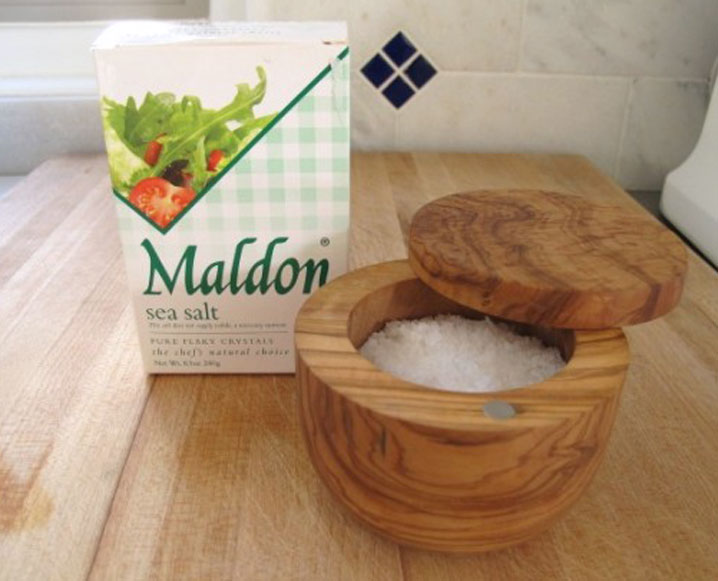
THIS MONTH’S ARTICLE from pH Miracle is all about salt. Salt is the most important component in alkalizing the blood and tissues. There have been so many misconceptions about salt that most of us don’t know the right type of salt to use and how vital it really is for good health! There is so much confusing information out there about salt and whether or not it is the cause of high blood pressure or hypertension. To calm a few fears out there about the use of salt in the diet and share why, if a person is eating and drinking alkaline, salt is more than just okay, we’re sharing Shelley’s take on the essential natural mineral, salt.
I’ve just come from a pH Miracle trip to Italy and then India. While in India I decided to take a run out on the beach. A little mist of rain was falling at the time, and I even thought it would be refreshing to run in the rain, but little did I know, that that little mist would turn into torrents of monsoon rain pounding down upon me. As I kept running – literally drenched – a big wave came along and dumped about 50 or so jellyfish and 2 huge sea turtles in front of me on the sand! The sight was incredibly shocking. Something had caused all of this ocean life to die. When I arrived back at the hotel I was told by my son, Alex, that it wasn’t a good idea to be near or in the ocean when it rains like that. I asked why? He told me that the pH of the ocean becomes more acidic after a big rain and that all of the pollution hanging in the sky and the pollution in the soil get swept into the sea. I was shocked, but I learned that day to understand just how important the pH of our oceans are to the sea life that make their home there.
This got me thinking about the importance of our internal ocean – our blood – and our lymphatic fluid called plasma and how vital the pH balance of these fluids is to our cells that make their home there. Salt is one of the most important elements that keep our internal oceans in a state of balance.
Salt is a vital substance for the survival of all living creatures – particularly humans. Salt helps to regulate the water content of the body. Water regulates itself, working its way into into the interior of all our cells. It has to get inside each cell to cleanse and extract the toxic wastes of cell metabolisms. Salt forces some water to stay outside the cells and balances the amount of water that must stay outside the cells. The two ‘oceans’ of water in the body are these two oceans held inside and outside the cells of the body. Good health depends on a highly delicate balance between the volume of these oceans, and this balance is achieved by salt – unrefined salt.
When we drink enough alkaline, energized water to pass clear urine, we also pass out a lot of the salt that was held back. This is how we can get rid of edema fluid or acidic fluid in the body; by drinking more alkaline energized water. Not with diuretics, but with more alkaline energized water! In people who have an extensive edema or acidity and show signs of their heart beginning to have irregular or very rapid beats with the least effort, the increase in alkaline water intake should be gradual and spaced out, but not withheld from the body. You can also add 1 teaspoon of colloidal “liquid salt” to help decrease acidity and regulate the heart beat.
Good sea salt is NOT the same thing as table salt which has been stripped of its companion elements and contains additive elements such as aluminum silicate to keep it powdery and porous. Aluminum is a very toxic element in our nervous system. It is implicated as one of the primary causes of Alzheimer’s disease. Good sea salt has many other functions other than just regulating the water content of the body. Here are some of the more vital functions of sea salt in the body:
1. Heart: Salt is most effective in stabilizing irregular heartbeats and – contrary to the misconception that it causes high blood pressure – it is actually essential for the regulation of blood pressure – in conjunction with alkaline energized water. Naturally the proportions are critical.
2. Brain: Salt is vital to the extraction of excess acidity from the cells in the body, particularly the brain cells.
3. Blood: Salt is vital for balancing the acidic sugar levels in the blood; a needed element in diabetics.
4. Cells: Salt is vital for the generation of hydroelectric energy in cells in the body. It is used for local power generation at the sites of energy needed by the cells.
5. Nerves: Salt is vital to the nerve cells’ communication and information processing all the time that the brain cells work, from the moment of conception to death.
6. Intestines: Salt is vital for absorption of food particles through the intestinal tract.
7. Lungs: Salt is vital for the clearance of the lungs of mucous plugs and sticky phlegm, particularly in asthma and cystic fibrosis.
8. Sinuses: Salt is vital for clearing up catarrh and congestion of the sinuses.
9. Salt is a strong natural antihistamine.
10. Muscles: Salt is essential for the prevention of muscle cramps.
11. Mouth: Salt is vital to prevent excess saliva production to the point that it flows out of the mouth during sleep. Needing to constantly mop up excess saliva indicates salt shortage and over-acidity.
12. Bones: Salt is absolutely vital to making the structure of bones firm. Osteoporosis, in a major way, is a result of salt and water shortage in the body.
13. Salt is vital for sleep regulation. It is a natural hypnotic.
14. Salt is a vitally needed element in the treatment of diabetics.
15. Salt on the tongue will stop persistent dry coughs.
16. Salt is vital for the prevention of gout and gouty arthritis.
17. Salt is vital for maintaining sexuality and libido.
18. Salt is vital for preventing varicose veins and spider veins on the legs and thighs.
19. Salt is vital for reducing a double chin. When the body is short of salt, it means the body is short of alkaline energized water. The salivary glands sense the salt shortage and are obliged to produce more saliva to lubricate the act of chewing and swallowing and also to supply the stomach with water that it needs for alkalizing foods. Circulation to the salivary glands increases and the blood vessels become “leaky” in order to supply the glands with water to manufacture saliva. That leakiness spills beyond the area of the glands themselves, causing increased bulk under the skin of the chin, the cheeks and into the neck.
20. Salt contains about 80 mineral elements that the body needs. Some of these elements are needed in trace amounts. Unrefined Sea Salt is a better choice of salt than other types of salt on the market.
21. Bones: Twenty-seven percent of the body’s salt is in the bones. Osteoporosis results when the body needs more salt and takes it from the body. Bones are twenty-two percent water. Is it not obvious what happens to the bones when we’re deficient in salt or water or both.
22. Salt will help balance acidic hormones and the symptoms associated with hormone imbalance.
23. Salt will reverse sugar cravings.
24. Salt will neutralize acids associated with muscle cramps or restless leg syndrome.
25. Salt will help reduce adrenal stress.
26. Salt will provide a matrix for cellular communication.
27. Salt will help energize the body.
28. Salt will help reduce hot flashes.
29. Salt will provide the primary elements for producing sodium bicarbonate to alkalize the fluids of the extracellular and intracellular fluids.
https://sciencing.com/does-salt-change-ph-water-4577912.html
Does Salt Change the pH of Water?
In terms of pH, it doesn’t get more pure than H2O. Water sits in the middle of the pH, or potential hydrogen, scale. Pouring table salt into a glass of water won’t change that. To understand why not, it’s essential to have a basic understanding of the pH scale and what kind of reactions must happen in order for solutions to move up and down that scale.
TL;DR (Too Long; Didn't Read)
Since adding salt to water does not result in any chemical reactions, the salt will not alter the pH level of water.
Playing With The pH
The pH value measures the level of acidity or alkalinity in a water-soluble solution. The scale measures from 0 to 14. Anything lower than a 7 measures as acidic, and anything higher than 7 is basic. Pure water has a pH level of 7, directly in the middle of the scale, and therefore is not considered to be acidic or basic. Changing its pH value to a level more acidic or alkaline requires a chemical reaction.
Getting a Reaction
Each day, everyone from farmers to indigestion sufferers work to neutralize pH balances, whether they realize it or not. In order to change the pH level of a solution, you must add something to that solution that will cause it to be either more acidic or more alkaline. A common example is with soil. Most plants prefer soil that has a pH level of around 6 to 7.5. But some people live in areas where soil is too acidic, so they must add a base like limestone to the soil in order to raise the pH level. The active ingredient in agricultural limestone is calcium carbonate, which reacts with water. The chemical reaction works to neutralize the acidic soil, giving it the nutrients it needs to sustain healthy plants.
Salt, on the other hand, does not chemically react with water. Table salt is a mixture of one part sodium and one part chloride, or NaCl. When this combination hits water, it breaks down into separate ions of sodium and chloride. The salt becomes soluble in the water, rather than reacting with it. The addition of salt causes the volume of the water to change. But since that salt does not release or bind to the water’s hydrogen atoms to jumpstart a reaction, the pH level of the water will remain the same.
From Pure to Alkaline
If you do want to raise the pH of water, you could use baking soda, or sodium bicarbonate. When sodium bicarbonate combines with water, the ensuing chemical reaction makes water alkaline. A practical use of this reaction is in drugs like Alka-Seltzer, which treat conditions like heartburn and indigestion. When the sodium bicarbonate in an antacid tablet mixes with water, the alkaline solution works to neutralize the buildup of stomach acid that is causing the pain.
References
How to Make a Citric Acid Buffer Solution
A buffer solution is a mixture of a weak acid and its conjugate alkali, or vice versa. Its pH barely changes when small amounts of an acid or an alkali are added to it. This makes it crucial for lab experiments when pH levels must be kept constant.
TL;DR (Too Long; Didn't Read)
To make a citric acid buffer solution, mix citric acid with sodium citrate (a conjugate base) in deionized or distilled water, stirring the solution until you reach your desired pH level.
Le Chatelier's Principle
In 1884 the French chemist and engineer Henry-Louis Le Chatelier offered one of the central concepts of chemical equilibria, known thereafter as Le Chatelier's principle. It describes what happens to a system when something temporarily removes it from equilibrium. One way to do this is to change the concentration of one of the components of a reaction. pH is an inverse measure of the hydrogen ion concentration of a solution; solutions with a high concentration of hydrogen ions have a low pH, and solutions with a low concentrations of H+ ions have a high pH. A buffer solution has to contain substances that take away any hydrogen ions or hydroxide ions added to it, or the pH of the solution will shift. When you make an acidic buffer solution, you tip the position of the equilibrium further to one side. When you make an alkaline buffer solution, the equilibrium position moves back toward the other side. The buffer works by counteracting the change and re-establishing an equilibrium.
Citric Acid vs. Sodium Citrate
A citric acid buffer works in the same way as a sodium citrate buffer. To make this, you need both citric acid and the conjugate base, sodium citrate. Citric acid is a weak organic acid that occurs naturally in citrus fruits and can efficiently maintain a pH from 3 to 6.2. Sodium citrate is the sodium salt of citric acid., with alkanizing activity. It only takes a few minutes to make a sodium citrate buffer.
Making the Buffer Solution
Mix 7.2 ml of citric acid and 42.8 ml of sodium citrate. Add enough deionized water to bring the total volume of the mixture to 100 ml. Water used in buffers should be as pure as possible (either deionized or distilled) to maintain a neutral pH (i.e., to ensure the water doesn't affect the pH level). Use a sensitive pH meter to adjust the pH and achieve your desired level. Wear safety goggle and gloves at all times. Adult supervision is recommended for science experiments.
References
The Effects of NaOH Concentration with H<sub>2</sub>O
Sodium hydroxide or NaOH is an ionic compound that belongs to a class of compounds called bases. Also known as lye, it finds a wide variety of uses in chemistry labs, the chemical industry, and construction, among other applications. The following four effects can occur as the concentration of sodium hydroxide in water increases.
Hydroxide Ions
When NaOH dissolves into water, it dissociates into two ions: a positively charged sodium ion and a negatively charged hydroxide ion (OH-). The increased number of hydroxide ions in the solution increases the concentration of hydroxide ions in the water.
pH
Water can undergo a reaction called autoprotolysis, whereby one water molecule donates a proton (a hydrogen ion) to another, resulting in the formation of a hydroxide ion (OH-) and a hydronium ion (H3O+). This reaction can also be reversed, since hydroxide ions accept a hydrogen atom from hydronium ions to form a molecule of water. In pure water this two-way reaction is in equilibrium so that the concentration of hydroxide and hydronium ions in the water is equal. The negative log of the hydrogen ion concentration is called the pH; pure water has a pH of 7. The hydroxide ions from dissolved sodium hydroxide perturb this balance; as the additional hydroxides accept protons from hydronium ions, they decrease the hydrogen ion concentration, thereby increasing the pH. Adding more sodium hydroxide will increase the pH of the water or make it more basic.
Neutralization
A base like sodium hydroxide can react with an acid to neutralize it. In this type of reaction, the hydroxide ion will accept a proton from the acid to form a molecule of water (H2O). Adding sodium hydroxide to a solution of an acid can neutralize some of the acid in the water.
Buffering
A buffer is a solution that exhibits little change in pH when an acid or base is added. A concentrated solution of sodium hydroxide acts as a buffer (albeit a very alkaline one) since adding small quantities will not change the pH significantly--the acid will only react with the sodium hydroxide that was already present in the water, and the pH will not change significantly since pH is a logarithmic scale.
References
Photo Credits
What Is pH of Sodium Carbonate in Water?
Sodium carbonate, also known as washing soda, is a common ingredient in laundry detergents. When dissolved in water, it tends to form solutions with pH values between 11 and 12.
Water
Water, H?O, undergoes a process known as autodissociation, in which it separates into a hydrogen ion (H?) and a hydroxide ion (OH?):
H?O ? H? + OH?
pH
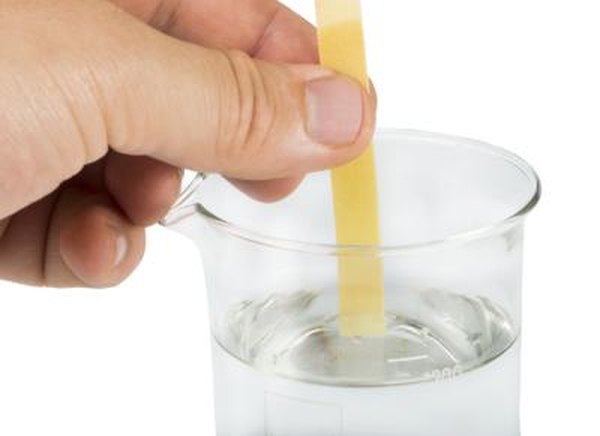
pH is actually a measure of the amount of H? in a solution and ranges from 0 to 14.
In general terms, a pH greater than 7 indicates an alkaline (or basic) solution (more OH? than H?). A pH less than 7 indicates an acidic solution (more H? than OH?). A pH of 7 indicates a neutral solution, such as water (H? and OH? are equal).
Sodium Carbonate
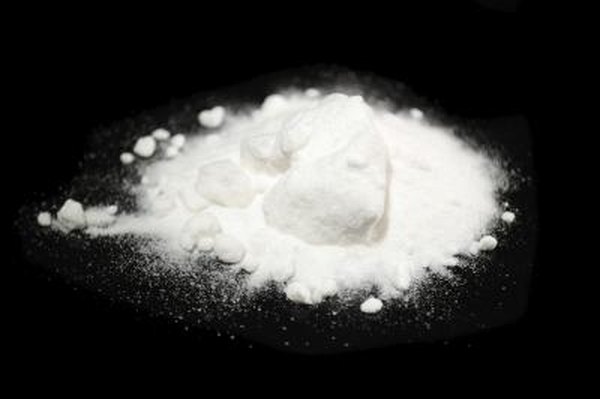
Sodium carbonate (Na?CO?), also known as washing soda, produces sodium ions (Na?) and carbonate ions (CO?²?) when dissolved in water:
Na?CO? ? 2 Na? + CO?²?
The sodium ions have no influence on the pH of the resulting solution. The carbonate ions, however, are basic and make the solution alkaline by increasing the amount of OH?:
CO?²? + H?O ? HCO?? + OH?
Concentration and pH
The important part of pH is that it depends on concentration. That is, dissolving two tablespoons of sodium carbonate in a glass of water will result in a higher pH than dissolving one tablespoon.
Mixing Instructions
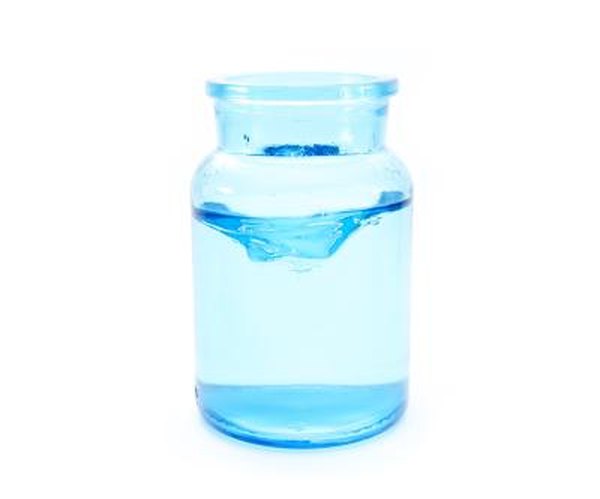
One gram (0.035 ounces) of sodium carbonate dissolved in water and diluted to 1.0 liter (about 1 quart) will produce a solution of pH 11.37.
Five grams (0.18 ounces) of sodium carbonate dissolved in water and diluted to 1.0 liter (about 1 quart) will produce a solution of pH 11.58.
Ten grams (0.35 ounces) of sodium carbonate dissolved in water and diluted to 1.0 liter (about 1 quart) will produce a solution of pH 11.70.
https://holistichealthlibrary.com/sea-salt-vs-common-table-salt/
Sea Salt vs. Common Table Salt
When organic, unrefined salt is lacking in your diet, weakness and sickness follow. The problem with salt is not the salt itself but the condition of the salt we eat. Our regular table salt no longer has anything in common with the original crystal salt. Salt nowadays is mainly sodium chloride and not salt. With the advent of industrial development, our natural salt was ‘chemically cleaned’ and reduced only to sodium and chloride.
Major producing companies dry their salt in huge kilns with temperatures reaching 1200 degrees F, changing the salt’s chemical structure, which in turn adversely affects the human body. The common table salt we use for cooking has only 2 or 3 chemical elements. The seawater salt has 84 chemical elements. For our body to be healthy we need all those elements. When we use the common salt, we are in deficit of 81 elements, which means we are somehow contributing to becoming weaker, imbalanced and more susceptible to diseases. Sea salt is as important to health as those eight glasses of water we should drink each day! For those striving toward a healthy diet, natural sea salt is a nourishing whole food.
Salt is a vital substance for the survival of all living creatures.
Sea salt has natural healing properties. It carries out numerous vital functions in the body. It helps the body replace lost electrolytes and balance pH levels. It regulates muscle contraction, especially that of the heart, and stimulates the liver and the production of digestive acids. The iodine in sea salt is paramount for thyroid gland function. Salt is most effective in stabilizing irregular heartbeats and contrary to the misconception that it causes high blood pressure, it is actually essential for the regulation of blood pressure – in conjunction with water – and the proportions are critical.
Salt is vital for balancing the sugar levels in the blood; a needed element in diabetes, for the absorption of food particles through the intestinal tract, for the clearance of the lungs of mucus plugs and sticky phlegm, particularly in asthma and cystic fibrosis, for clearing up catarrh and congestion of the sinuses, for prevention of muscle cramps, for the prevention of gout and gouty arthritis, for preventing varicose veins and spider veins on the legs and thighs. And the list goes on and on.
Alzheimer’s Disease and Salt Intake
The brain is 85 percent water and it is encased in a salty lake. Cerebral spinal fluid is a very salty environment and in order to make it salty, salt is pumped into this environment constantly. Salt is responsible for taking acid out of the brain cells. There are nine trillion brain and nerve cells that constantly chatter to one another. They use up energy and there is toxic waste. There is acidity involved in the toxic waste. Salt goes into the cell and pushes the acid out. And then this acid is taken out of the system by a mechanism of pumping systems and taken to the kidneys and flushed out. If we are short of (unrefined) salt and the toxic waste builds up in the cell environment of the brain, then hydrogen iron acidity, which lowers the pH making it more acidic, will eat away into the brain cell mechanism.
Drink more water, take more salt.
Dr. Batmanghelidj, noted authority and author of ‘Water: Rx for a Healthier Pain-Free Life’, says that we need ¼ tsp. of sea salt for every quart of water we drink, and that many ‘disease conditions’ can be prevented and cured by balancing one’s daily water and salt intake. He suggests using a good sea salt with food and make sure to take potassium daily (banana, orange juice, etc.)
Common Table Salt: White Poison
Refined and processed table salt should be eliminated from every health-conscious kitchen for the following reasons:
- It retains fluids. One ounce (28.35 grams) of table salt retains up to one pound (0.45 kilograms) of water. Fluid retention is not only uncomfortable, it tires the heart.
- It acidifies the blood, which offers an open invitation to heart problems, hypertension, liver illnesses, neuralgia, rheumatism and gastric ulcers.
- It damages and depletes enzymes, upsets the sodium/potassium balance, creates an acidic stomach and inhibits digestion.
- It overstimulates the nervous system by activating the adrenal glands.
- It increases perspiration and decreases muscle contractility-including the muscles of the heart.
- It creates arrythmia from its abnormal impact on nerves and helps harden arteries and other tissues. It also fosters calcium and fatty deposits on the artery walls.
- North Americans consume two to three times more salt than they should. Refined (common table salt) salt puts a huge burden on the kidneys, weakening them until they can no longer function.
Still the body needs minerals that are found in unrefined salt. Deficiencies, can lead to kidney infections, respiratory aliments and healing retardation. In its natural state, salt has at least 100 other minerals and trace elements which lead to a healthy diet. It stabilizes blood pressure. A deficiency of total salt minerals makes the body fight harder to survive and makes blood pressure go up. By bathing and rubbing skin with its granules, natural sea salt helps the skin to function as an elimination organ.
Benefits of Sea Salt – Not a New Concept
Both sea salt and rock salt were well-known to the ancient Greeks who noted that eating salty food affected basic body functions such as digestion and excretion (urine and stools). This led to salt being used medically. Also, the healing methods of Hippocrates (460 BC) especially made frequent use of salt. Greek medicine, 2000 years ago, had already discovered topical use of salt for skin lesions, drinking salty or mineralized waters for digestive troubles and inhaling salt for respiratory diseases!
https://www.google.com/search?q=produced+by+body+sodium+bicarbonate+hypochlorous+acid&rlz=1C1CHBD_enUS903US903&oq=produced+by+body+sodium+bicarbonate+hypochlorous+acid&aqs=chrome..69i57.13737j0j4&sourceid=chrome&ie=UTF-8
https://www.healthline.com/nutrition/sea-salt-benefits#sea-salt-vs-table-salt
https://www.healthline.com/nutrition/sea-salt-benefits
Sea Salt: Uses, Benefits, and Downsides
Sea salt is made by evaporating salt water. People around the world have used it since prehistoric times, and it’s commonly found in many kitchens today.
Aside from its culinary uses, sea salt is often added to body scrubs, baths, beverages, and countless other products.
Some people believe it’s healthier than other types of salt and provides several benefits, but there is little research to back these claims.
This article provides an overview of the common uses of sea salt, as well as its potential benefits and downsides.

Sea salt is mostly composed of sodium chloride, a compound that helps regulate fluid balance and blood pressure in the body.
Since it’s minimally processed, it contains some minerals, including potassium, iron, and calcium. This is one reason why it’s often considered nutritionally superior to table salt, which is heavily ground and has had most of its nutrients removed (1).
However, the nutrients in sea salt are only present in trace amounts. You would have to eat extremely large amounts of it to even get close to the amount of potassium, iron, calcium, or magnesium that you could easily get from whole foods.
Sea salt granules are also larger than table salt granules. As a result, regular salt provides approximately 2,300 mg of sodium per teaspoon (6.1 grams), while sea salt contains 2,000 mg of sodium per teaspoon (4.2 grams) (
This is because fewer sea salt granules can be packed into a teaspoon, compared with table salt. It’s not because it contains less sodium than table salt.
Still, most people do not realize this distinction and consider sea salt to be healthier than table salt, as excessive sodium consumption has been linked to high blood pressure levels and an increased risk of heart disease (
However, if the amount of sodium you consume exceeds the recommended limit or your personal tolerance, using sea salt in place of regular salt makes no difference (
In fact, some people find that they need to use more sea salt in cooking to achieve the same level of flavor.
SUMMARYCompared with table salt, sea salt is less processed, contains more trace nutrients, and has a larger particle size, a characteristic that explains why it contains less sodium per teaspoon. However, these differences do not make it nutritionally superior.
https://medcraveonline.com/IJCAM/IJCAM-09-00318
Submit manuscript...
Due to current COVID19 situation and as a measure of abundant precaution, our Member Services centre are operating with minimum staff
International Journal of
eISSN: 2381-1803

Complementary & Alternative Medicine

Abstract
This article suggests that the use sodium and potassium bicarbonates are non-toxic primary alkalizing agents in the prevention and treatment of all cancers, kidney disease, liver disease, Type I & Type II diabetes, Lupus, heart disease, Pharmacological toxicosis, vascular surgery operation, tonsillar herniation due to cerebral edema, lactic acid toxicosis, and hyponatremia or low salt or loss of salts due to excessive or over-exercise!
Keywords: Cancer; Diabetes; Lupus; Heart disease; Vascular surgery; Herniation; Cerebral edema; Lactic acid toxicosis; Liver disease; Kidney disease; Hyponatremia; Pharmacological toxicosis
Introduction
Sodium and potassium bicarbonate are excellent agents for a natural alkaline approach in the treatment for all sickness and disease, including cancer. Sodium bicarbonate is the universal mainstream treatment of acidosis. It is used every day by oncologists to neutralize the heavy acidic nature of their chemical and chemotherapeutic agents which are often quite toxic. Sodium bicarbonate is also used routinely in many clinical situations as herein noted including many peer--reviewed journals:
- Severe diabetic ketoacidosis [1]
- Cardiopulmonary resuscitation [2]
- Pregnancy [3]
- Hemodialysis [4]
- Peritoneal dialysis [5,6] Pharmacological toxicosis [6]
- Hepatopathy [7]
- Vascular surgery operations [8]
Medics and emergency room medical doctors are accustomed to participating in a flurry of activity when trying to save a person’s live after a cardiac arrest--inserting IVs and breathing tubes, performing defibrillation to restart the heart, etc. Sodium bicarbonate is a constant performer under such conditions and is more commonly used than magnesium injections, which is traditionally at the top of every doctor's protocol for cardiac arrest.
Mainstream oncologists recognize the routine involvement of late stage infections which I refer to as outfections in all cancerous conditions. Medical savants also recognize that bacteria, yeast and mold is present in over forty percent of all cancerous conditions [9]. The most recent research in this area demonstrates how even viruses, which I describe as crystallized acid, is present in fifty percent of certain types of cancerous conditions [10].
Sodium and potassium bicarbonate increases the hydroxyl ions or electron levels through increased alkalinity to the cells buffering the metabolic acids that can cause cancer [20]. It is also one of the most basic medicines in allopathic and alternative medicine we have for the treatment of kidney disease. Research by British scientists at the Royal London Hospital shows that sodium bicarbonate can dramatically slow the progress of chronic kidney disease [11]. We don’t need a thousand years of scientific tests to understand something as simple and essential as alkaline water and it is quite the same with sodium and potassium bicarbonate. Sodium and potassium bicarbonate are always present in the best alkaline drinking waters and organic raw green foods and is constantly being produced by the cover cells of the stomach to alkalize the acidic foods and liquids we ingest, including buffering metabolic and respiratory acids in order to maintain the alkaline design of the blood and tissues at a delicate pH of 7.365 [20].
What is Latent Tissue Acidosis?
Medical doctors are not taught in medical school and therefore do not understand or recognize latent tissue acidosis. They understand and recognize compensated acidosis and decompensated acidosis. In compensated acidosis, breathing increases in order to blow off more carbonic acid which decreases PCO2 because of the lowered carbonate or HCO3. When the breathing rate can no longer get any faster and when the kidneys can no longer increase its' function to keep up with the acid load, then the blood pH starts to change from a pH of 7.365 to 7.3 then to 7.2. At a blood pH of 6.95 the heart relaxes and the client goes into a coma or dies.
Latent "acidosis" is a condition that exists when there are not enough bases in the alkalophile glands because they have been used up in the process of neutralizing the acids adsorbed to the collagen fibbers. This leads to compensated "acidosis." This means the blood pH has not changed but other body systems have changed. This can then lead to decompensated "acidosis" where the alkaline reserves of the blood are used up and the pH of the blood is altered. Decompensated "acidosis" can be determined by testing the blood pH, urine pH and the saliva pH. The decrease in the alkaline reserves in the body can occur because of hyper-proteinization, (eating meat and cheese!) orZ too much protein, and hyper-carbonization, or too much sugar or from excessive or over-excercise. This is why young athletes fall over dead or why 80 to 90 year old folks are all shrunk up and look like prunes. They have very little or no alkaline reserves in their alkalophile glands. When all the alkaline minerals are gone, so are you and your battery runs out of charge. The charge of your cellular battery can be measured by testing the ORP or the oxidative reduction potential of the blood, urine or saliva using an ORP meter. As you become more acidic this energy potential or ORP increases.
How is Sodium Bicarbonate created In the Body?
The parietal or cover cells of the stomach split the sodium chloride of the blood. The sodium ion is used to bind with water and carbon dioxide to form the alkaline salt, sodium bicarbonate or NaHCO3. The biochemistry is: H20 + CO2 + NaCl = NaHCO3 + HCL. This is why I call the stomach an alkalizing organ not an organ of digestion. The stomach does not digest the food or liquids we ingest but it alkalizes the foods and liquids we ingest. We have one instrument in the human body to digest food and it is not the stomach it is your teeth. Once we swallow our food or drink the stomach begins to prepare the food by alkalizing it in a bath of sodium bicarbonate.
For each molecule of sodium bicarbonate (NaHCO3) made, a molecule of hydrochloric acid (HCL) is made and secreted into the so-called digestive system - specifically, the stomach (the gastric pits in the stomach) - to be eliminated via the blood. Therefore HCL is an acidic waste product of sodium bicarbonate created by the stomach to alkalize the food and liquids ingested.
Exercise Creates Metabolic Acidic Waste Products which are Harmful to the Blood and Tissues
When one exercises or over-exercises the body needs additional alkaline bicarbonate salts to buffer lactic acids. The additional bicarbonate is created in the stomach lining to buffer the increased amounts of lactic acids produced as a waste product of metabolism. The production of sodium bicarbonate will always leave an acidic waste product of hydrochloric acid in the gastric pits of the stomach leading to nausea, light headedness, dizziness, muddle thinking, and poor circulation. If the excessive exercise continues this can then lead to a deficiency of mineral and bicarbonate salts (electrolytes lost through perspiration or urination) which may lead to latent tissue acidosis, pain, edema, hyponatrenia and death.
But how does something like sodium and/or potassium bicarbonate, so seemingly innocuous have such a dramatic effect? During prolonged or intense exercise muscles produce large amounts of acidic waste products, such as lactic acid, that leads to soreness, stiffness, fatigue and possible edema if these acids are not buffered and eliminated through urination or perspiration. Because sodium and potassium bicarbonate naturally reduces metabolic acids, it acts as a buffer against these performance-limiting by-products.
Current research suggests that supplemental sodium bicarbonate, like the pH Miracle pH our Salts (contains sodium and potassium bicarbonate) is particularly helpful in speed-based events, including sprints, football and other fast-moving games, and middle-distance (up to 10km) running, swimming and cycling. "Essentially, sodium bicarbonate is an alkaline substance that increases the pH of the blood," Dr Folland says. "This seems to reduce and offset the acidity produced in the muscles during intense, anaerobic exercise that produces lactic acid most quickly, such as fast running or swimming."
In Dr Folland's study, swimmers who took the sodium bicarbonate knocked 1.5 seconds off their time for 200m, a difference that may seem insignificant to recreational swimmers but which is substantial at elite level.
"At the last Olympics, the top four swimmers in the men's 200m freestyle were separated by just 1.4 seconds," Dr Folland says. "So, in theory, it could be the difference between winning a medal and not."
Anyone can try it, he says, but only those who are serious enough to monitor their times and progress in sports such as running, swimming or cycling may notice the few seconds advantage it might provide. "The increments of improvement are relatively small to the average person, although significant to someone who competes," Dr Folland says.
Athletes for years have sworn that taking a spoonful of bicarbonate of soda (baking soda) helps them to keep going for longer. For years, experts doubted that there was anything other than a placebo effect to these claims until they subjected the substance to rigorous examination. Most exercise scientists investigating the trend for "soda-doping" among athletes and gym-goers have shown that it offers significant benefits for endurance and speed."
At Loughborough University, for instance, physiologists reporting in the June issue of the International Journal of Sports Medicine showed that swimmers who took baking soda about one hour before a 200m event were able to shave a significant time off their usual performances. Dr Jonathan Folland, who led the study, says that it is not uncommon for top swimmers to take sodium bicarbonate (another name for the substance) before a competition to give them an edge. Indeed, he showed that of nine swimmers tested, eight recorded their fastest times after ingesting a supplement of the common baking ingredient - sodium bicarbonate.
Where are Bicarbonates Created in the Human Body and Why?
The chloride ion from the sodium chloride (salt) binds to an acid or proton forming HCL as a waste product of sodium bicarbonate production. HCL has a pH of 1 and is highly toxic to the blood and tissues and the cause of indigestion, acid reflux, ulcers, diabetes, cancer, hyponatremia, edema, tonsilar herniation and death. When large amounts of acids, including HCL, enter the stomach from a rich animal protein or dairy product meal, such as meat and cheese, or from starchy foods from root vegetables like potatoes or during extreme exercise, acid is withdrawn from the acid-base household. The organism would die if the resulting alkalosis - or NaHCO3 (base flood) or base surplus - created by the stomach was not taken up by the alkalophile glands (salivary glands, pancreas, kidney, pylorus glands, Brunner's glands, Lieberkuhn glands and liver) that need these quick bases in order to build up their strong sodium bicarbonate secretions. These alkalizing glands and organs are the stomach, pancreas, Brunner's glands (between the pylorus and the junctions of the bile and pancreatic ducts), Lieberkuhn's glands in the liver and its bile with its strong acid binding capabilities which it has to release on the highly acidic meat, cheese, potato, acid water or metabolic and/or respiratory acids from over-exercise to buffer its strong acids of nitric, sulphuric, phosphoric, uric and lactic acids in daily metabolism, respiration and excessive or over-exercise.
Bicarbonate acts to stimulate the ATPase by acting directly on it [12].
The simple household product used for baking, cleaning, bee stings, treating asthma, cancer and acid indigestion is so effective in treating disease that it prevents patients from having to be put on kidney dialysis. The findings have been published in the Journal of the American Society of Nephrology. Bicarbonate is a truly strong universal concentrated nutritional medicine that works effectively in many clinical situations that we would not normally think of. Bicarbonates of sodium and potassium are a prime emergency room and intensive care medicine that can save a person’s life in a heartbeat and it is also a supermarket item that you can take right off the shelf and use for more things than one can imagine - including diaper rash.
Dr. SK Hariachar, a nephrologist who oversees the Renal Hypertension Unit in Tampa, Florida stated, upon seeing the research on sodium bicarbonate and kidney disease, "I am glad to see confirmation of what we have known for so long. I have been treating my patients with bicarbonate for many years in attempts to delay the need for dialysis, and now we finally have a legitimate study to back us up. Not only that, we have the added information that some people already on dialysis can reverse their condition with the use of sodium bicarbonate".
A dialysis technician at the same center as Dr. Hariachar, who used to be on dialysis himself for 2 years as a result of kidney failure, had his kidneys miraculously start functioning to the point where dialysis was no longer needed. He states that he was prescribed oral doses of sodium bicarbonate throughout his treatment, and still takes it daily to prevent recurrences of kidney failure. Dr. Hariachar maintains though, that not everyone will be helped by taking bicarbonate. He says that those patients who have difficulty excreting acids, even with dialysis using a bicarbonate dialysate bath, that, “oral bicarbonate makes all the difference.”
The Stomach, Pancreas and Kidneys Naturally Produce Sodium Bicarbonate every Day
The exocrine section of sodium bicarbonate from the stomach and the pancreas has been greatly ignored in the treatment of diabetes and cancer even though its impairment is a well documented condition. The stomach and the pancreas is primarily responsible for the production of sodium bicarbonate necessary for normal alkalization of food and liquids ingested. Sodium bicarbonate is so important for protecting the kidney's that even the kidneys get into the act of producing sodium bicarbonate. We now know the common denominator between hyponatremia, inflammation, edema, diabetes, kidney disease, and cancer is the lack of sodium and potassium bicarbonate or the body's inability to produce sodium and potassium bicarbonate because of a lack of mineral salts in the diet. When the body is hit with reductions in sodium bicarbonate output by these three organs, acid conditions build up and then the entire body physiology begins to change from a state of oxygenation to fermentation. Likewise when acid build-up outstrips these organs normal sodium bicarbonate capacity, cellular, tissue, glandular and organ deterioration begins.
The stomach, pancreas and the kidneys alone produce about five hundred grams (about one pound) of sodium and/or potassium bicarbonate per day in an attempt to neutralize dietary and/or metabolic acid in the blood and interstitial fluids that surround the body cells.
The stomach, pancreas and the kidneys monitor and control the acidity or "acid-base" (pH) balance of the blood and tissues. If the blood and tissues are too acidic, the stomach and/or the kidney's make sodium bicarbonate to restore the blood and tissue pH back to a delicate pH balance of 7.365. If the blood or tissues are too alkaline, then the kidney excretes sodium bicarbonate into the urine to restore the 7.365 alkaline balance. Acid-base balance is the net result of two processes, first, the removal of sodium bicarbonate subsequent to hydrogen ion production from the metabolism or dietary constituents; second, the synthesis of "new" sodium bicarbonate by the stomach and/or the kidney's [13]. The stomach and kidneys pull salt, water and carbon dioxide from the blood to make sodium bicarbonate to maintain the alkaline design of the body during all functions of the body from the ingestion of food or drink to exercise. The chemical formula is as follows: NaCl + H2O + CO2 = NaHCO3 + HCL. The waste product of sodium bicarbonate is hydrochloric acid which is eliminated by kidneys as an acidic excretion of the urine.
It is considered that normal adults eating ordinary Western diets have chronic, low-grade acidosis which increases with age. This excess acid, or acidosis, is considered to contribute to many diseases and to contribute to the aging or rotting process. Acidosis occurs often when the body cannot produce enough sodium bicarbonate ions (or other alkaline compounds) to neutralize the acids in the body formed from metabolism and eating and drinking highly acid foods and drinks like chicken, pork, beef, dairy products, coffee, tea, alcohol, chocolate, soft drinks, just to name a few. We are also testing bottled mineral water and finding that these waters are acidic and may contribute to overall tissue acidosis.
Acid-buffering by means of base supplementation (The pH Miracle pH our Salts) of sodium bicarbonate is one of the major roles of dialysis. Sodium bicarbonate concentration in the dialysate (solution containing water and chemicals (electrolytes) that passes through the artificial kidney to remove excess fluids and wastes from the blood, also called “bath.”) should be personalized in order to reach a midweek pre-dialysis serum sodium bicarbonate concentration of 22 mmol/l [14]. Use of sodium bicarbonate in dialysate has been shown in studies to better control some metabolic aspects and to improve both treatment tolerance and patients' life quality. Sodium bicarbonate dialysis, unlike acetate-free bio filtration, triggers mediators of inflammation and apoptosis [15].
One of the main reasons we become over-acid is from over-consumption of animal protein, dairy products, high sugar fruit, grains, alcohol, coffee, tea, chocolate, soft drinks and over-exercise or under-exercise. Eating meat and dairy products may increase the risk of prostate cancer, research suggests [16]. We would find the same for breast and other cancers as well metastatic cancers [17]. Conversely mineral deficiencies are another reason and when you combine high protein intake with decreasing intake of alkaline minerals you have a dis-ease in the making through lowering of pH into highly acidic conditions. When protein breaks down in our bodies they break into strong acids, such as, nitric, uric, sulphuric and phosphoric acid.
Unless a treatment actually removes acidic toxins from the body and increases oxygen, water, and nutrients most medical interventions come to naught.
These metabolic and dietary acids must be excreted by the kidney's because they contain sulphur, phosphorus, and/or nitrogen which cannot break down into water and carbon dioxide to be eliminated as weak acids. In their passage through the kidney's these strong acids of nitric, sulphuric, phosphoric and uric acid must take a basic mineral with them because in this way they are converted into their neutral salts and don't burn or destroy the kidney's on their way out. This would happen if these strong acids were excreted in their free acidic form.
Substituting a sodium bicarbonate solution for saline infusion prior to administration of radiocontrast material seems to reduce the incidence of nephropathy Thomas PK [18].
Sodium and potassium bicarbonate ions neutralize the acids that cause chronic inflammatory reactions. Hence, sodium and potassium bicarbonate are of benefit in the treatment of a range of chronic inflammatory and autoimmune diseases. Sodium and potassium bicarbonate are well-studied and used salts with known effects. Sodium and potassium bicarbonate are effective in treating poisonings or overdoses from many chemicals and pharmaceutical drugs by negating their cardio toxic and neurotoxin effects [19]. It is the main reason it is used by orthodox oncology - to mitigate the highly toxic effects of chemotherapy.
Sodium and potassium bicarbonates possess the property of absorbing heavy metals, dioxins and furans. Comparison of cancer tissue with healthy tissue from the same person shows that the cancer tissue has a much higher concentration of toxic chemicals, pesticides, etc.
Sodium and potassium bicarbonate intravenous infusions are indicated in the treatment of metabolic acidosis, which may occur in severe renal disease, uncontrolled diabetes, and circulatory insufficiency due to shock or severe dehydration, extracorporeal circulation of blood, cardiac arrest, tonsillar herniation due to cerebral edema, severe primary lactic acidosis and hyponatremia due to excessive or over-exercise. During heavy exercise, if the resulting lactic acid is not adsorbed by the collagen fibers, the specific acid catchers of the body, the blood pH will drop and the body will go into a coma and the person will die.
The total collection of these fibres is the largest organ of the body called SCHADE, the colloidal connective tissue organ. No liquid exchange occurs between the blood and the parenchyma cells, or in reverse, unless it passes through this connective tissue organ. This organ connects and holds everything in our bodies in place. This organ is composed of ligaments, tendons, sinew, and the finer fibres that become the scaffolding that holds every single cell in our bodies in place. When acids are stored in this organ, which includes the muscles, inflammation or edema and pain develop. The production of lactic acid is increased with excessive exercise and the ingestion of milk, cheese, yogurt, butter, ice cream, high sugar fruit and starchy root vegetables like potatoes.
That is why I have stated, "acid is pain and pain is acid or acid is edema and edema is pain". You cannot have one without the other. This is the beginning of latent tissue acidosis leading to irritation, inflammation, edema and degeneration of the cells, tissues and organs and eventual or sudden death. It is why we are seeing so many amateur and professional athletes pass out and die on the playing fields. Metabolic, respiratory and gastrointestinal acids can and do kill and death can be obverted by simply maintaining the alkaline design of the body fluids with protective hydration of alkaline sodium bicarbonate fluids.
The acid/alkaline balance is one of the most overlooked aspects of diagnostic medicine. In general, the world population is heavily acidic, excepting alkalarian vegans (those who ingest raw, organic green fruit, vegetables, mineral salts, alkaline water and unsaturated seed and nut oils), and even their bodies have to face increasing levels of environmental toxic exposure, which may contribute to an acidic pH condition of the blood and then tissues.
With over 30 years of research and testing over 100,000 individual samples of blood and over 100,000 samples of urine and saliva, I have come to the conclusion that the human body is an acidic producing organism by function - yet, it is an alkaline organism by design. Eating animal protein, especially meat and cheese, sugar, fermented foods, starchy foods like potatoes, acidic water, alcohol, coffee, tea, chocolate, and excessive exercise or under-exercise, obsessive behaviors, lack of rest, lack of sunshine, and emotional stress are deadly acidic lifestyle choices.
All enervation, under-performance, sensitivity, irritation, inflammation, edema, catarrh, in duration, ulcerations, degeneration, aging and cancerous conditions are caused by a four letter word - ACID, which is an acronym which stands for:
A: Acidic food and drink, attitudes and activities,
C: Compromised internal acidic environment,
I: Illness and dis-ease, and,
D: Desire for more acidic foods, drinks, attitudes and activities, and the cycle repeats itself [20].
We ingest acidic medicines to lessen the symptoms of our illness. We stimulate the body with unhealthy forms of energy providing quick, often temporary relief from our symptoms which begins the cycle all over again creating a very powerful pattern of poor health and dis-ease.
Conclusion
The pH Alkalizing Lifestyle and Diet is a low acid producing diet and lifestyle that focuses on the foundational principal that the body is alkaline by design and yet acidic by function. This makes this program the ultimate program for preventing and reversing aging and the onset of sickness and disease. I would say that the pH Alkalizing Lifestyle and Diet is the perfect diet and lifestyle for a longer healthier life [20].
Aknowledgment
None.
Conflict of Interest
None.
References
- Gamba G, Oseguera J, Castrejón M, Gómez-Pérez FJ (1991) Bicarbonate therapy in severe diabetic ketoacidosis. A double blind, randomized, placebo controlled trial. Rev Invest Clin 43(3): 234-238.
- Miyares Gomez A, Sánchez Medina F, Casado Flores J (1989) Diabetic ketoacidosis in childhood: the first day of treatment. An Esp Pediatr 30(4): 279-283.
- Levy MM (1998) An evidence-based evaluation of the use of sodium bicarbonate during cardiopulmonary resuscitation. Crit Care Clin 14(3): 457-483.
- Vukmir RB, Bircher N, Safar P (1996) Sodium bicarbonate in cardiac arrest: a reappraisal. Am J Emerg Med 14(2): 192-206.
- Bar-Joseph G, Abramson NS, Jansen-McWilliams L, Kelsey SF, Mashiach T (2002) Clinical use of sodium bicarbonate during cardiopulmonary resuscitation--is it used sensibly? Resuscitation 54(1): 47-55.
- Zhang L, Liu R (1999) Perhydrit and bicarbonate improve maternal gases and acid-base status during the second stage of labor. Hunan Yi Ke Da Xue Xue Bao 24(5): 468-470.
- Maeda Y, Mitsumizo S, Yoshida M, Nakashima M, Harano K (2001) Perioperative administration of bicarbonated solution to a patient with mitochondrial encephalomyopathy. Masui 50(3): 299-303.
- Avdic E, Suljevic E, Helac-Cvijetic D (2001) Bicarbonate versus acetate hemodialysis: effects on the acid-base status. Med Arh 55(4): 231-233.
- Feriani M, Kirchgessner J, La Greca G, Passlick-Deetjen J (1998) Randomized long-term evaluation of bicarbonate-buffered CAPD solution. Kidney Int 54(5):1731-1738.
- Vrijlandt PJ, Bosch TM, Zijlstra JG, Tulleken JE, Ligtenberg JJ, et al. (2001) Sodium bicarbonate infusion for intoxication with tricyclic antidepressives: recommended inspite of lack of scientific evidence. Ned Tijdschr Geneeskd 145(35): 1686-1689.
- Knudsen K, Abrahamsson J (1997) “Epinephrine and sodium bicarbonate independently and additively increase survival in experimental amitriptyline poisoning. Crit Care Med 25(4): 669-674.
- Silomon M, Rose S (1998) Effect of sodium bicarbonate infusion on hepatocyte Ca2+ overload during resuscitation from hemorrhagic shock. Resuscitation 37(1): 27-32.
- Mariano F, Goia F, Vincenti R, Capra L, Lanza G, et al. (1997) Insufficient correction of blood bicarbonate levels in biguanide lactic acidosis treated with CVVH and bicarbonate replacement fluids. Minerva Urol Nefrol 49(3): 133-136.
- Dement'eva II, Roĭtman EV, Maĭba EN, Charnaia MA, Zolicheva NIu, et al. (1997) Calculation of the dose of sodium bicarbonate in the treatment of metabolic acidosis in surgery with and deep hypothermic circulatory arresta. Anesteziol Reanimatol 5: 42-44.
- www.nelm.nhs.uk/en/NeLM-Area/News/2009---July/20/
- Amore A, Cirina P, Bonaudo R, Conti G, Chiesa M, et al. (2006) Bicarbonate dialysis, unlike acetate-free biofiltration, triggers mediators of inflammation and apoptosis in endothelial and smooth muscle cells. J Nephrol 19(1): 57-64.
- Levine DZ, Jacobson HR (1986) The regulation of renal acid secretion: New observations from studies of distal nephron segments. Kidney Int 29:1099-1109.
- www.uptodate.com/patients/content/abstract.do?topicKey=~G/p55S8w8sQDwqG&refNum=28
- Robey IF, Baggett BK, Kirkpatrick ND, Roe DJ, Dosescu J, et al. (2009) Bicarbonate increases tumor pH and inhibits spontaneous metastases. Cancer Res 69(6): 2260-2268.
- Merten GJ, Burgess WP, Gray LV, Holleman JH, Roush TS, eta l. (2004) Prevention of contrast-induced nephropathy with sodium bicarbonate: a randomized controlled trial. JAMA 291(19): 2328-2334.

© . This is an open access article distributed under the terms of the Creative Commons Attribution License , which permits unrestricted use, distribution, and build upon your work non-commercially.
No comments:
Post a Comment
Note: Only a member of this blog may post a comment.