
Do vaccine makers have to disclose all their ingredients?
NOPE! Vaccine manufacturers DO NOT have to disclose all their ingredients. Have a look at these videos, to see for yourself...
INTENTIONALLY BLANK; BUT A CLUE 702174
Addressing the Risks That Trade Secret Protections Pose for Health and Rights
Volume 23/1, June 2021, pp. 129-143
Allison Durkin, Patricia Anne Sta Maria, Brandon Willmore, and Amy Kapczynski
Abstract
Human rights frameworks afford everyone the right to health and the right to enjoy the benefits of scientific progress and its applications. Both come together to create state obligations to ensure access to medicines and other health technologies. Though the impact of patents on access to high-quality, affordable medicines and health technologies has been well described, there has been little attention to the impact of trade secrecy law in this context. In this paper, we describe how trade secrecy protection comes into conflict with access to medicines—for example, by preventing researchers from accessing clinical trial data, undermining the scale-up of manufacturing in pandemics, and deterring whistleblowers from reporting industry misconduct. The paper proposes measures to diminish the conflict between trade secrecy and health that are consistent with international law and will advance health without undermining innovation.
Introduction
The right to health is widely recognized in international treaties,[1] and every state has ratified at least one of the several international agreements that recognize it. [2] The affirmative right to health necessarily entails access to medicines and other health technologies such as vaccines and diagnostics, as recognized by international bodies and domestic courts alike. [3] (In this paper, we use the shorthand “access to medicines” to refer to access to a variety of health technologies, including vaccines and diagnostics.) Access to medicines, in turn, requires institutional and legal arrangements that ensure that appropriate medicines are developed, tested, and made available equitably and at affordable prices.
Realizing health rights, as one of us has emphasized, requires interventions in law and political economy. [4] Political economy approaches to law recognize that law constructs markets and that the shape law gives to markets implicates values of equality and democracy—for example, by shaping who has access to health technologies. Intellectual property law is a key component of how law structures markets in, and access to, scientific advances. Patents, for example, are legally granted temporary monopolies that create both incentives for the development of medicines and barriers to affordable medicines. Safeguarding the right to health requires the international community and individual states to balance, adjust, or even override intellectual property provisions.
A great deal of work has been done to illuminate the relationship between patents and access to medicines. But the role that trade secrecy law, another type of intellectual property, plays in limiting access to quality and affordable medicines has received far less attention. An emerging literature has begun to explicate how the protection of trade secrets and confidential corporate information creates barriers to data and information that the public has vital interests in accessing, including information about voting technologies, criminal justice and surveillance technologies, and environmental hazards. This opaqueness compromises important public interests in democratic accountability and public health and safety. [5] This paper adds to that literature, detailing how trade secrecy can also impede access to information that is needed to ensure quality, affordable medicines, thereby burdening the public’s right to health and its right to enjoy the benefits of scientific progress and its applications. [6] As we describe, trade secrecy may be invoked in a manner that prevents public access to clinical trial data, drug pricing data, evidence of corporate wrongdoing, manufacturing information needed to decentralize production, or biologic resources important to treatment and vaccine development.
Access to these resources is particularly acute now, while the world is struggling to respond to the COVID-19 pandemic. On October 2, 2020, India and South Africa submitted a communication to the Council for Trade-Related Aspects of Intellectual Property Rights (TRIPS) of the World Trade Organization (WTO) proposing a waiver of sections 1, 4, 5, and 7 of part II of the TRIPS Agreement in order to support measures to prevent, treat, and contain COVID-19. [7] The proposal suggests waiving protections of undisclosed information, described in TRIPS section 7. This is of special importance due to the rapid development of treatments and vaccines for COVID-19, and the dramatic global disparities in access to these technologies. Although the public made extraordinary investments in private companies’ vaccine research and development, details of clinical trial data and government contracts remain secret. For example, when immense public pressure led to the release of US vaccine contracts in November 2020, the public learned that the Johnson & Johnson contract explicitly allowed the company to keep secret “production/manufacturing know-how, trade secrets, [and] clinical data.”[8] Similarly, the European Commission’s first two publicly released vaccine contracts include generous redactions of alleged “confidential information,” including the price per dose, the amount paid up front, and the rollout schedule. [9] We show why access to information that companies may (rightly or wrongly) designate as trade secrets can be important for public health, why the problem is becoming more acute, and how states can interpret or revise trade secrecy protections to enable them to promote access to medicines.
The rise of trade secret protections
Trade secrecy law generally protects information that is secret, commercially valuable because it is secret, and subject to reasonable efforts to protect its secrecy. Trade secret protections are distinct from patents and copyrights. In certain ways, they are weaker: unlike patents, trade secrets are not protected from independent invention, and they can be used or disclosed if they are discovered by “fair” means. In other ways, they are stronger: both patents and copyright protection are limited to a specific number of years, but trade secret protections can be indefinite. Companies can claim trade secret protection without any registration, and the scope of these rights often become clear only after litigation. Trade secret protections are also not subject to clear exceptions and limitations, such as the “fair use” right in copyright.
The history of trade secrecy law is obscure and disputed, and no major body of scholarship summarizes the transnational evolution of trade secret protection. Broadly speaking, however, protection for trade secrecy follows an arc similar to other forms of intellectual property, growing stronger in many jurisdictions in recent decades. [10]
One difficulty tracing the evolution of trade secrecy law around the world is the wide array of ways that states protect trade secrets. Many common law legal traditions, for example, have long protected certain kinds of business information through the rubric of unfair competition law or contract law. [11] A competitor stealing information from another could be liable in tort, and an employee who reveals a secret they promised to protect could be liable in contract. Over time, courts have expanded these rights—for example, by implying contracts in certain settings and by preventing the use of trade secrets by some third parties who obtain them improperly. In civil law settings, commercial secrets have commonly received protection under regulation and statute, such as general laws protecting fair competition. [12] Many Asian countries have historically protected trade secrets through informal norms and business relationships rather than through legal means. Countries have thus not always had—and still today do not necessarily have—a special domain of “trade secrets law.” In India, for example, commercial secrets are not protected as such, but can be protected via the law of contracts and misappropriation. In Germany, trade secrets are protected in a general fair competition statute. In Malaysia, the law of confidence generally governs confidential commercial information, while in Chile the only reference to trade secrets is in criminal law provisions.
In the United States, however, there are a few clear inflection points that show the increased strength of this area of law. Until the 1980s, the leading source of guidance for courts was the Restatement (First) on Torts, which made it clear that trade secrets were protected only in tort, as a violation of “of relationally specific duties,” and did not reflect any “right of property in the idea.”[13] In 1984, however, the US Supreme Court declared that trade secret rights were indeed a kind of property for the purposes of the US Constitution and thus could be protected from unlawful “takings” of private property—meaning that a government that improperly revealed a trade secret would be required to pay compensation. [14] Early cases in the US and the First Restatement often treated the core information protectable by trade secrecy as technical information about industrial processes and formulas. [15] Today, the US legal framework, shaped largely by the Uniform Trade Secrets Act, defines the scope of trade secrets far more broadly, as covering any “information” that is commercially valuable, secret, and subject to reasonable efforts to keep it secret. [16] In 2016, the US Congress additionally passed the Defend Trade Secrets Act, expanding the law again by providing federal jurisdiction for cases involving the misappropriation of trade secrets. After advocacy regarding the conflict of trade secrets with public interests in access to information, the law also incorporated limited “whistleblower” protections, limiting criminal and civil liability for those disclosing a trade secret pursuant to reporting a suspected violation of the law. [17]
In combination with the rise of information technologies and the “informationalization” of the economy, these shifts have had substantial implications. Businesses in the United States can now claim as their property not just secret formulas but an almost limitless range of information and data, even if such claims might not hold up in court. The implications for public access to information are formidable. In 2001, for example, a US appeals court held that a state could not require the public disclosure of all of the ingredients in cigarettes, even if this disclosure might benefit public health, unless the state first paid the company for “taking” its trade secrets. [18]
The 1980s and 1990s also marked a moment when the United States and other wealthy countries made strengthened intellectual property law a significant trade priority, pressing developing countries in particular to adopt stronger intellectual property rights. [19] The WTO’s 1995 TRIPS Agreement played a significant role here. All members of the WTO must adhere to it, and violations of TRIPS are actionable in dispute resolution. Trade sanctions are also possible where countries do not bring their law into compliance. [20] Under article 39 of TRIPS, countries must provide protection for “undisclosed information,” provided that the information is sufficiently secret, “has commercial value because it is secret,” and has been “subject to reasonable steps under the circumstances” to keep it secret. Drafters refrained from using the term “trade secret” to avoid associations with any particular legal system, and the requirement of protection for “undisclosed information” does not require a US-style trade secrets law. [21] International commitments thus give countries many flexibilities with respect to how they implement protection. [22]
Wealthy countries have regularly sought to increase protections for trade secrets in bilateral and multilateral agreements. [23] For example, the recent United States-Mexico-Canada Agreement, the result of the renegotiation of the North American Free Trade Agreement, includes “the most robust protection for trade secrets of any prior [US] agreement.”[24] It obligates parties to provide both civil and criminal remedies for the misappropriation of trade secrets, judicial procedures to prevent the disclosure of trade secrets during litigation, and corresponding penalties. These measures were not required by earlier instruments such as TRIPS. The agreement also makes it more difficult for regulators to seek “confidential business information” from commercial entities for certain products. [25] This and other bilateral and multilateral agreements contribute to the rising floor of international trade secrecy protections.
As noted above, there do remain meaningful cross-jurisdiction differences in the scope of trade secret protections. But continued trade pressure and efforts to attract foreign investment have led to a recent wave of standardization, with major laws protecting trade secrets recently passed around the world, including in China, Thailand, Taiwan, and Japan. [26] The European Parliament and Council adopted a directive in 2016, which requires all European Union (EU) member states to amend their existing laws to comply with a minimum level of trade secrecy protection. Importantly, the directive provides some room for local variation in implementation and also provides exceptions to the enforcement of trade secret laws where, for example, disclosure of the trade secret was for purposes of reporting wrongdoing or protecting a “legitimate interest recognized by Union or national law.”[27]
Uses of trade secrets and consequences for access to medicines
As the scope of protectable trade secrets has expanded, companies have claimed trade secret or trade secret-like protections for many types of information relevant to health. The consequences for the ability of all people to access safe and affordable medicines are significant.
Clinical trial data
Understanding the safety and efficacy of medicines on the market is crucial for public health. [28] Pharmaceutical companies regularly collect safety and efficacy data, including individual participant data, metadata (such as trial protocols for interpreting results), and summary-level data. [29] Health regulators require companies to submit clinical trial data to assess the safety and efficacy of proposed medicines. (Fewer data may be required for technologies such as diagnostics, and there is no clear regulatory framework yet for newer technologies such as health apps.) Companies do, however, commonly invoke trade secret protections to prevent or limit the disclosure of data to outside researchers or the public.
Keeping such data secret has significant consequences. First, regulators are often understaffed and under pressure to approve medicines quickly, and they sometimes make mistakes. Without access to clinical trial data, researchers cannot verify or investigate a medicine’s claimed benefits and risks. There are many examples where serious—sometimes deadly—side effects, or a lack of efficacy, were revealed only many years after a drug has been on the market, because clinical trial data were kept secret from researchers. Prominent examples include rofecoxib (Vioxx), estrogen hormone therapy (Prempro), and extended-release oxycodone (OxyContin). [30]
Clinical trial secrecy can also obstruct the proper operation of health technology assessments, which contribute to health care provision and reform. Health technology assessments “provide a range of stakeholders … with accessible, usable and evidence-based information to guide decisions about the use and diffusion of technology and efficient allocation of resources.”[31] For example, they are used to make recommendations about the proper pricing of medicines and how to channel funds toward research that will have the most value for patients. However, health technology assessments can only function when they have sufficient information about the drugs and devices they are assessing.
Researchers can also make new uses of clinical trial data where they are available, such as to predict how subgroups will respond to a medicine or to understand the natural course of a disease. In the case of COVID-19 vaccines, for example, access to clinical trial data and post-market surveillance data may help researchers understand more about COVID-19 infection and immune responses, as well as ask new questions about the safety and efficacy of the vaccines. [32] Strong advocacy around access to data has had a significant impact in this context. US regulators released detailed summaries—although not all data—about vaccines during the regulatory process, and companies have published key trials relatively quickly. These measures have helped scientists understand and debate their efficacy and have likely bolstered public trust in regulatory processes and vaccines.
Access to study protocols is critical for allowing researchers to interpret trial results and to evaluate whether a study’s design can produce the information needed. For example, when several companies testing COVID-19 vaccines, after public pressure, voluntarily agreed to release the secret protocols for their studies, this allowed researchers to evaluate the endpoints used, enabling debate about how well the vaccines will protect against transmission and not just against severe disease. When protocols are public, it is also possible to identify improper “outcome switching” or “data dredging,” which occurs when researchers change the primary outcome measures during the analysis stage from those identified in the study protocol to those that make their study results appear more favorable. [33]
Second, inhibiting public access to clinical trial data undermines the development of new drugs. Under the current regime, companies and regulators need not disclose the existence of, much less the data from, failed or abandoned preclinical studies and clinical trials. [34] This practice drives up the costs of drug development and undermines innovation because researchers cannot “learn from the failures of previous medical products in subsequent research programs.”[35] Lack of access to this information may result in unnecessary and unethical human and animal experimentation as companies remake and retest unsuccessful compounds.
Engineering and manufacturing data
Even after patent and data exclusivity periods for drugs expire, trade secret protections permit pharmaceutical companies to keep the precise composition or manufacturing process for medications confidential. This effectively slows the release of generic competitor drugs by preventing their reliance on existing engineering and manufacturing data. As a consequence, drug companies can preserve monopolies on medications that are difficult to reverse engineer.
Trade secret protections can effectively lengthen exclusivity periods for biological medicines in particular. In the case of “small molecule” medicines, which are synthesized in chemical reactions, a researcher can chemically reverse engineer the product. However, biologics, a newer group of medications that are often grown in or derived from living organisms, are more difficult to replicate. Biologics, composed of complex protein or other macromolecules and compositions, are comparatively difficult to produce, and their efficacy and safety depend on the specific conditions of their manufacture. [36] To produce follow-on biologics, researchers would benefit from access to manufacturing information, which includes the specific cell line used, the host organism from which the cells were taken, the variable introduced to arrive at the final cell line selection, the method of optimization for the culture medium, the production environment used to grow the cells, and the procedure for isolation and purification of the relevant protein, among other data. [37]
Access to these alleged trade secret resources and information would also lighten the regulatory burden and therefore hasten consumers’ access to critical medicines. Health regulators treat biosimilars differently from small-molecule medications. For example, the US Food and Drug Administration (FDA) currently approves biosimilars only if testing demonstrates that they are sufficiently biosimilar to the original product. [38] However, these time-consuming testing requirements could be simplified if regulators could be confident that the biosimilar was produced with high fidelity to the originator’s production. The licensing of trade secrets can allow production under the originator’s regulatory approval, and information exchange can also enable independent production of biological generics or biosimilars. Without access to alleged trade secret biologic resources and production information, the approval of biosimilars can take longer, leading to higher prices for originator products. [39] This ultimately drives up the cost of health care and reduces patients’ access to critical, cutting-edge biological vaccines and treatments for conditions, including rheumatoid arthritis, anemia, multiple sclerosis, and cancer. [40] Given the importance of the rapid scale-up of COVID-19 vaccines around the world, many have advocated for the need for the transfer and licensing of manufacturing information in this context. [41]
Trade secret protections may also be used to inhibit access to engineering and manufacturing data for vaccines and diagnostics, such as those critical to resolving the ongoing COVID-19 crisis. [42] Most diagnostics, such as those used for rapid testing for the virus, “are being developed commercially and with proprietary technology,” meaning that concerns about proprietary barriers to scale-up are particularly acute. [43] And while a great deal of public funding is being dedicated to developing vaccines and therapeutics, there does not appear to be any concerted effort on the part of funders to insist on either open access to resulting data or the sharing of trade secrets to ensure the possibility of competitive manufacture. [44] To resolve this pandemic, a coordinated effort must be made to increase capacity for testing, tracing, vaccinating, and treating, particularly among developing and the least developed countries. Sharing data and manufacturing know-how for diagnostics and vaccines will be crucial for enhancing production and ultimately mitigating the harms of the COVID-19 pandemic. Trade secrecy laws obstruct these efforts.
Data related to artificial intelligence
Artificial intelligence will likely permit important advances in health care in the coming years and decades. A subset of artificial intelligence known as “machine learning” uses computer algorithms to analyze large amounts of data, to identify patterns, and to use these patterns to make predictions. The technology is already widely deployed to determine who receives health and disability benefits, to improve patient outcomes, to connect eligible patients to clinical trials, and to promote drug development. [45]
Without access to the algorithm and its underlying raw data, it can be difficult to identify problems with these systems. This is a serious concern, because despite the perception of these systems as “intelligent,” well-known biases can affect them. [46] Access to algorithms and training data not only allows for better evaluation but also allows researchers with public health priorities in mind to improve these technologies. Yet companies may invoke trade secrets to guard predictive algorithms, related artificial intelligence and machine learning techniques, and the large datasets that these require to function.
Drug pricing data
Pharmaceutical companies have invoked trade secret protections and trade secret-like protections to limit access to various types of financial information, including drug prices, research and development costs, manufacturing costs, and details regarding financial arrangements. In the United States, for example, companies have litigated against transparency laws that sought to require them to make the prices of their medicines known to the public (when they might otherwise remain obscured by secret rebates or other deals). Collectively, we refer to these as “drug pricing data” because they are all relevant to the matter of fair pricing. The consequences of protecting this information are significant. A lack of transparent pricing information fuels high drug prices, while obscuring the research and development costs limits our ability to calibrate innovation policy and to identify price gouging.
Information about wrongdoing
Whistleblowers are individuals—commonly employees—who reveal secret corporate information in order to hold companies accountable for causing public harm. In some jurisdictions, trade secret law recognizes an exception when the disclosure involves “information that is relevant to public health or safety, or to the commission of a crime or a tort, or to other matters of substantial public concern.”[47] However, such exceptions may provide little solace to whistleblowers. In practice, “potential whistleblowers face a gauntlet of legal impediments, indoctrination policies, financial risks, and workplace and social pressures discouraging reporting of illegal conduct.”[48] For example, in the United States, employees have been found liable for misappropriation for giving corporate files to their attorneys, even in instances where they were seeking to disclose illegal conduct. [49]
The stakes for establishing robust whistleblowing exceptions are high: insufficient protections coupled with broad trade secrecy law can pose a risk to public health. Without these protections, employees may not disclose misconduct or errors made by health care providers or firms.
Harmonizing trade secrecy law with the right to health
Proponents of trade secrecy protections contend that these protections encourage innovation by limiting the flow of proprietary information. However, many of the kinds of data being claimed as trade secrets are not clearly trade secrets.
One problem, to which some of the solutions we describe below are addressed, is that trade secret law is very fact specific, making it hard to rule out the possibility of trade secret protection for any particular kind of information. However, it is important to recognize that close scrutiny often reveals trade secret claims to be inappropriate and that careful studies have concluded that trade secret law, properly understood, does not protect many categories of information relevant to health. For example, although courts in the United States have at times accepted the idea that prices can be trade secrets with little analysis, there are good arguments based on the theory and purpose of trade secrets law that the price alone should not be afforded such protection. One argument is that price is simply a deal point representing the culmination of adverse negotiations between buyers and sellers and is not “an origin point for future development.”[50] Concealing prices does not further innovation; it simply undermines the capacity of competitors to provide competitive pricing—hardly a purpose of trade secrecy. [51]
Many types of clinical trial data should also not be properly considered trade secrets. Most safety and efficacy data, for example, will not confer an advantage to competitors of the relevant kind—they cannot, for instance, be used to market another product or to reduce the costs of a competitor. [52] The data might be privately valuable to the originator because they would reveal its product as harmful, but that is not the kind of value that trade secrecy law protects. Notably, the European Medical Association (EMA) has recognized in data-sharing regulations that many kinds of safety and efficacy data, such as trial endpoints, statistical methods, and adverse event information, are not protected confidential commercial information. [53] The EMA has also concluded that clinical trial protocols do not qualify. [54] US courts have held the same, noting that they contain “no information about secret formulas or rare treatment methods” and do not identify innovative procedures or techniques. [55]
Timing can also influence whether the disclosure of information would produce a competitive harm. For example, releasing research and development costs after sending the relevant product to market would be unlikely to produce a competitive disadvantage. [56] In addition, the disclosure of aggregated data is unlikely to result in competitive harm.
How, then, can states create or expand safeguards against overly expansive trade secret protections? Three areas deserve particular attention. First, states should guard against the entrenchment of trade secrets as human rights or constitutional rights and reject attempts to enshrine stronger trade secrets law in international law, particularly without adequate and explicit protection of safeguards. Second, states should protect the public’s interest in health data by limiting trade secret law and allowing it to be overridden where public health benefits are salient. Third, countries should adopt robust whistleblower safeguards.
Avoiding the entrenchment of trade secret protections
Trade secret law has not been upwardly harmonized in international law to the same degree as other kinds of intellectual property. It will be important for countries to maintain policy space to modify and adjust domestic trade secret law, particularly given how rapidly information technologies are evolving and the broad scope of trade secret law today.
Like other forms of intellectual property, trade secret rights are predominantly held by corporations and do not have the status of human rights, nor should they. These rights emerged out of practices that protected commercial morality and fairness between business competitors, and they have no grounding in the rights reflected in international human rights treaties.
States should also consider carefully the implications of treating trade secrecy as a form of property subject to protection under domestic constitutional law. The US experience shows that treating trade secrets as constitutionally protected property creates real risks for the publicity of health information, as in the tobacco case mentioned above. If trade secrets are protected as property, states are more limited in their ability to require the sharing of health data to improve outcomes or to develop new technologies, for example, because they may only do so after compensating the originator. Trade secret law is also plausibly understood more as a means to regulate behavior in the commercial sphere—a kind of tort or unfair competition law—rather than a right that is “good against the world” that should properly be deemed “property” for constitutional purposes. It is also not obvious that judicial review and mandatory compensation are essential to protect private interests: states can voluntarily afford compensation to companies when needed to protect incentives without judicial mandates.
Allowing public interest exceptions to trade secrecy
Public interest exceptions to trade secrecy can help ensure that data can be shared to benefit public health. These exceptions can be codified in at least four ways: first, states can require the proactive disclosure of health information where there is no conflict with trade secrecy law; second, states can exclude information from the scope of trade secret protections; third, states can adopt “balancing tests” that allow the release of trade secrets where the public’s interest outweighs private harm; and fourth, states can use post hoc techniques such as intellectual property “pools” and compensation schemes to overcome barriers to data sharing.
First, mandatory, proactive disclosure requirements for certain health and safety information can advance the public interest. The scope and timing of these disclosure requirements can be carefully tailored to balance industry interests and public health concerns. For example, in the United States, as part of a settlement in a lawsuit brought by Public Citizen, the FDA began releasing key advisory committee materials, such as safety and efficacy data and FDA reviews of new drug applications, on its website 24 hours before advisory committee meetings. [57] Previously, these materials were accessible to the public only after a drug was approved. The careful timing requirements on these mandatory disclosures allow interested parties to participate meaningfully in committee meetings, while also negating industry arguments that disclosure will unduly benefit competitors. The United States also releases a substantial amount of summary data via a website called ClinicalTrials.gov, under a statutory mandate that requires such data to be shared. The data involved—summary information about trials underway and their results—are general enough that companies have not argued that the law “takes” their property or improperly discloses trade secrets. A great deal of important summary information that would otherwise be held in secret has been disclosed in this fashion. A key requirement for this disclosure is a regulatory requirement for data sharing from the private company to regulators; countries should ensure that the right to market medicines is contingent on the transfer of relevant data to regulators and should make clear that they will disclose such information to the public as needed to protect public health.
Proactive disclosure statutes can also be styled to create a presumption of transparency rather than confidentiality. Vanessa’s Law, adopted in Canada in 2014, requires manufacturers to release certain clinical trial data and provides the minister of health discretion to release additional information (including confidential business information) without the drug maker’s consent, if the minister “believes that the product may present a serious risk of injury to human health.”[58] While Vanessa’s Law and its amendments provide procedures for companies to object to disclosures, the public’s interest is presumptively safeguarded. [59] There must also be efforts to monitor how laws providing for mandatory disclosure are implemented at the regulatory level.
Second, excluding certain public health information from the scope of trade secret protections can advance the public interest. Some information can be released, as described above, because it does not meet the definition of a trade secret. But states can also amend existing trade secret laws to broaden the ability to safely disclose information, wherever it would benefit health and safety. A narrower definition of trade secrets that excludes information of public interest could help enable more information to be disclosed through public information requests and limit measures that companies might take to threaten whistleblowers. It may also disincentivize companies from filing gratuitous trade secrets lawsuits. An exclusion of health and safety information from the proprietary scope of trade secrecy also resolves concerns that mandated disclosures constitute illegal government takings.
Third, affording public health weight in balancing tests can advance the public interest. Many countries already incorporate public interest overrides or balancing tests into their information access laws. The aforementioned EU directive explicitly allows for EU or national rules that require the public disclosure of trade secrets for the purpose of protecting the public interest. [60] In the United Kingdom, the Freedom of Information Act “subjects its ‘commercial interests’ exemption to a public interest balancing test: a public authority may only refuse to provide confidential information if it believes that, ‘in all the circumstances of the case, the public interest in maintaining the exemption outweighs the public interest in disclosing the information.’”[61] Similarly, in India, the Right to Information Act of 2005 stipulates that protected information may be disclosed once a “competent authority is satisfied that larger public interest warrants the disclosure of such information.” The law further states that “a public authority may allow access to information, if the public interest in disclosure outweighs the harm to the protected interests.”[62]
Countries that do not have such balancing tests should consider adopting them. In the United States, for example, the Freedom of Information Act lacks clarity on when the public interest should be balanced against private rights. US courts regularly weigh the public interest when parties seek to withhold information under exemption 6 (personal privacy interests) and exemption 7 (governing information collected for law enforcement purposes). Recent cases arguing that the same balancing applies under exemption 4, which governs trade secrets and confidential commercial information, are currently pending in courts. [63]
Fourth, developing mechanisms such as involuntary licenses or intellectual property “pools” can override previously established in appropriate situations. If data have already been declared protected as trade secrets, post hoc approaches for disclosure may be necessary.
Where such data need to be pooled from many sources, governments can seek to create voluntary or mandatory “pools” that organize the terms under which such data will be shared. Recently, for example, the president and minister of health of Costa Rica wrote to the World Health Organization, urging it to “undertake an effort to pool rights and technologies … useful for the detection, prevention, control, and treatment of the COVID-19 pandemic.”[64] This effort would make available via voluntary contribution all relevant research and other information related to the COVID-19 response without conventional intellectual property barriers, in order to encourage “follow-on” research and fast-track development of emerging technology. [65] The pool also ideally would provide manufacturers license to use needed data once a working technology is found. [66] States may also need to revise their laws to enable the entrance of generics and biosimilars where compulsory licenses on patents and data have been issued, but data exclusivity barriers exist. This post hoc approach to pooling trade secrecy information (among other intellectual property) may be particularly important in emergencies, when longer-term solutions may be impractical and a focus on particular technologies may be justified. However, a large-scale voluntary waiver of numerous intellectual property protections may work only when there is near universal consensus regarding the urgency of the public health interests at play, and non-voluntary sharing may be required.
Outside of pools, narrower mechanisms such as involuntary licenses for the disclosure of specific information, similar to compulsory licenses available in patents, should also be made available. These licenses can be granted whenever public health events arise that make the disclosure of data necessary, despite previous judgments or declarations regarding their protected status. This is especially important when the use of such data would lead to more accessible medical products, such as is the case with biosimilar or bioequivalent drugs and vaccines, which often rely on clinical trial data from originator drugs during the approval process.
Compensation can be afforded in these cases, where disclosure is to or for the benefit of competitors. For example, in some instances when regulators have allowed test data to be relied on by subsequent entrants to a market, they have also established liability schemes to ensure some limited payment to those who funded the creation of the data. [67] These schemes both dampen opposition from originator companies and address concerns about takings in the rare cases where these might have merit.
Strengthening whistleblower protections
In order to safeguard access to safe and affordable medicines, trade secrecy law must provide sufficient protections for whistleblowers. A model whistleblower protection regime would (1) include a reasonable belief standard and cover both illegal conduct and wrongdoing; (2) reduce the risk of negative consequences for whistleblowers; and (3) provide for infrastructure, resources, and reporting channels that facilitate disclosure. [68]
Laws should facilitate disclosures by anyone who has a reasonable belief that they may expose illegal conduct or wrongdoing—even where disclosures may contain trade secrets. [69] The reasonable belief standard helps ensure that whistleblowers do not bear too heavy a burden of proof. For example, the EU directive protects the disclosure of information that the whistleblower perceives as either illegal conduct or wrongdoing, in contrast to US federal law, which protects the disclosure only of illegal conduct. The EU standard protects those without legal expertise and those who seek to report unethical behavior that harms the public interest.
Whistleblower protections must also ensure the welfare of those making disclosures. Wherever possible, whistleblowers should be allowed anonymity to prevent workplace retaliation. Interim relief from courts is also necessary where workplace harassment does occur. To alleviate risk further, when disclosures fail to meet a reasonable belief standard, the law should not provide for onerous remedies against whistleblowers, as these disincentivize disclosures that may be valuable to the public.
Regulatory protections for whistleblowers are meaningful only if accompanied by infrastructure and resources that support disclosure. Organizations and individuals that facilitate whistleblowing—such as attorneys and nongovernmental organizations—must be afforded the same protections as whistleblowers themselves. Employees must also be informed of their rights as potential whistleblowers and must have access to pro bono legal representation when needed.
Addressing counter-arguments: International obligations and innovation
The measures promoted above will neither contravene international law nor unduly undermine innovation. As described in the first section, international law requires that states implement trade secrecy protections in a manner tailored to protect the right to access essential medicines. The TRIPS Agreement provides individual states broad leeway in interpreting the purposefully flexible requirements to prevent “undisclosed information” from being used “in a manner contrary to honest commercial practices.”[70] Nothing in article 39.2 prohibits states from creating exceptions to trade secrecy protections, appropriately narrowing trade secret protections, or mandating the sharing of trade secrets where this would benefit health and competition. TRIPS also includes broadly stated purposes, for example noting in article 8 that members may “adopt measures necessary to protect public health,” “promote the public interest,” and “prevent the abuse of intellectual property rights” as long as the measures are otherwise consistent with the agreement. [71] Article 7 also makes clear that intellectual property rights should be implemented in a manner that “contribute[s] to the promotion of technological innovation and to the transfer and dissemination of technology, to the mutual advantage of producers and users of technological knowledge and in a manner conducive to social and economic welfare, and to a balance of rights and obligations.” To that end, not only do these proposed measures comply with TRIPS, but they also facilitate the realization of some of the agreement’s core principles. [72]
In addition, state practice suggests that many of the measures we propose are considered by members to be consistent with the TRIPS Agreement. Various states have already adopted public interest measures similar to those recommended by this paper. For example, the FDA, the EMA, and Health Canada already proactively disclose certain clinical trial data. The laws of several countries—including England, Scotland, and India—compel the disclosure of confidential commercial information where there exists an overriding public interest. [73] Efforts to refine and limit trade secrecy laws through the countervailing safeguards for access to medicines that we describe, are, we believe, fully consistent with the flexible international protections for undisclosed information.
Advocates for broad trade secret protections contend that trade secrecy law encourages innovation and so serves the public good. Under this reasoning, trade secret protections ensure profits for innovators by discouraging “free riding.”[74] They also reduce the need for companies to invest in inefficient security measures. [75] Others see trade secrecy protection as an important supplement to patent law because it does not require registration, application, or publication and is low cost and long lasting. [76]
It is important to recognize, however, that overly broad trade secrecy law can impede innovation in a multitude of ways. Trade secrecy and other intellectual property protections can create dynamic inefficiencies by increasing the cost of inputs—especially in the research context—thereby frustrating innovation. [77] Restrictions on the exchange of information—for example, by discouraging the movement of employees to new employers—can also reduce spillovers of information to other firms. The unlimited duration of trade secret law is also problematic from an innovation perspective, because companies can prevent public access forever, avoiding the “quid pro quo” disclosures of patent law. Indefinite protection is also economically unnecessary under conventional assumptions that companies “discount” the present-day value of protection that exists many years in the future.
Moreover, in general, exclusive rights to information create inefficiencies because information has a marginal cost of zero: it is costless to allow others to enjoy knowledge once it is created, and so from a static perspective should be priced at zero. Limiting access to knowledge may be desirable if it is needed to prevent free-riding problems. But, even without trade secrecy protections, companies would still produce much of the information that trade secrecy laws cover today. For example, businesses create a great deal of secret information simply because it is required by their business, including data demanded by regulators, and prices. A lot of secret information is not expensive to create, meaning that it is not subject to real free-riding problems. In addition, as trade secrecy law has expanded, it has come to implicate public interests—including interests in access to information about products and corporate behavior—that are essential to democracy and the public good. Those who describe the incentive effects of trade secrets law rarely consider these broad public implications, the measures that may be needed to ensure that trade secrets do not overprotect information that would be created anyway, or the law’s interference with important public interests.
Conclusion
Access to medicines is integral to the right to health. Today, commercial actors utilize trade secrecy to hide numerous types of health-related data, including clinical trial data, engineering and manufacturing data, data related to algorithms and machine learning, pricing data, and information on corporate wrongdoing. The consequences for access to medicines, and thus human rights, are significant, undermining patient-level health, the development of affordable treatments, and the effectiveness of health systems as a whole. This paper has proposed several measures that states could adopt to protect against overly expansive trade secrets regimes. By guarding against the entrenchment of trade secret law as creating “rights” protected under international and domestic law, by protecting the public interest in confidential commercial information by allowing or mandating data sharing, and by strengthening whistleblower protections, countries can protect the pressing public need for collaboration and transparency. In so doing, countries can expand access to medicines and promote the right to health.
Acknowledgments
We thank Talya Lockman-Fine and Xiangnong (George) Wang for critically important research in the preparation of this manuscript.
Allison Durkin, JD, is a 2021 graduate of Yale Law School, New Haven, USA.
Patricia Anne Sta Maria, JD, LLM, is a Lecturer at the Ateneo de Manila University School of Law, Makati, Philippines.
Brandon Willmore, JD, is a 2021 graduate of Yale Law School, New Haven, USA.
Amy Kapczynski, JD, MA, MPhil, is a Professor of Law at Yale Law School, New Haven, USA, and Faculty Co-Director of the Yale Global Health Partnership and the Law and Political Economy Project.
Please address correspondence to Amy Kapczynski. Email: amy.kapczynski@yale.edu.
Competing interests: None declared.
Copyright © 2021 Durkin, Sta Maria, Willmore, and Kapczynski. This is an open access article distributed under the terms of the Creative Commons Attribution Non-Commercial License (http://creativecommons.org/licenses/by-nc/4.0/), which permits unrestricted noncommercial use, distribution, and reproduction.
References
[1] See, for example, Constitution of the World Health Organization, G.A. Res. 44/25 (1948), preamble; Convention on the Rights of the Child, G.A. Res. 44/25 (1989), art. 24; Convention on the Elimination of All Forms of Discrimination against Women, G.A. Res. 34/180 (1979), arts. 11, 12, 14; Convention on the Elimination of All Forms of Racial Discrimination (1965), G.A. Res. 2106, art. 5; International Covenant on Economic, Social and Cultural Rights, G.A. Res. 2200A (XXI) (1966), art. 12.
[2] Office of the United Nations High Commissioner for Human Rights, Fact sheet no. 31: The right to health 1 (June 2008).
[3] Committee on Economic, Social and Cultural Rights, General Comment No. 14: The Right to the Highest Attainable Standard of Health, UN Doc. E/C.12/2000/4 (2000), paras. 12, 14, 43(d); A. E. Yamin and S. Gloppen (eds), Litigating health rights: Can courts bring more justice to health? (Cambridge, MA: Harvard Law School, 2011).
[4] A. Kapczynski, “The right to medicines in an age of neoliberalism,” Humanity: An International Journal of Human Rights, Humanitarianism, and Development 10/1 (2019), pp. 79–107.
[5] See, for example, D. S. Levine, “Secrecy and unaccountability: Trade secrets in our public infrastructure,” Florida Law Review 59/1 (2007), pp. 176–177; D. S. Levine, “The impact of trade secrecy on public transparency,” in R. Dreyfuss and K. Strandburg (eds), The law and theory of trade secrecy: A handbook of contemporary research (Northampton, MA: Edward Elgar Publishing, 2011); R. Wexler, “Life, liberty, and trade secrets: Intellectual property in the criminal justice system,” Stanford Law Review 70/1 (2018), p. 1343; J. E. Zink, “When trade secrecy goes too far: Public health and safety should trump corporate profits,” Vanderbilt Journal of Entertainment and Technology Law 20/1 (2018), p. 1162; D. S. Levine, “Confidentiality creep and opportunistic privacy,” Tulane Journal of Technology and Intellectual Property 20/1 (2017), p. 15.
[6] Committee on Economic, Social and Cultural Rights, General Comment No. 25: Science and Economic, Social and Cultural Rights, UN Doc. E/C.12/GC/25 (2020).
[7] Communication from India and South Africa, WTO IP/C/W/669 (2020).
[8] S. Lupkin, “HHS released more coronavirus vaccine contracts as election results unfolded,” NPR (November 8, 2020), https://www.npr.org/sections/health-shots/2020/11/08/932793698/hhs-released-more-coronavirus-vaccine-contracts-as-election-results-unfolded.
[9] M. Apuzzo and S. Gebrekidan, “Governments sign secret vaccine deals. Here’s what they hide,” New York Times (January 28, 2021). Available at https://www.nytimes.com/2021/01/28/world/europe/vaccine-secret-contracts-prices.html; European Commission, Vaccines: Contract between European Commission and AstraZeneca now published (January 29, 2021). Available at https://ec.europa.eu/commission/presscorner/detail/en/ip_21_302.
[10] See, for example, D. Ben-Atar, Trade secrets: Intellectual piracy and the origins of American industrial power (New Haven: Yale University Press, 2004), pp. 6–7; R. Bone, “A new look at trade secret law: Doctrine in search of justification,” California Law Review 86/2 (1998), pp. 251–260.
[11] M. Lemley, “The surprising virtues of treating trade secrets as IP rights,” Stanford Law Review 61/2 (2008), p. 316.
[12] M. Jager, Trade secrets throughout the world: Preliminary materials (Thomson Reuters, 2019), secs. 7.2, 15.2, 19.2, 25.6.
[13] Bone (see note 10), pp. 241, 244; American Law Institute, Restatement (First) of Torts, sec. 757, comment a (1939); see also P. Samuelson, “Privacy as intellectual property?,” Stanford Law Review 52/5 (2000), p. 1153 note 148.
[14] See, for example, Ruckelshaus v. Monsanto Co., 467 U.S. 986 (1984).
[15] See A. Kapczynski, “The public history of trade secrets law,” unpublished manuscript (2021).
[16] Ibid.; see also Uniform Trade Secrets Act, sec. 1(4) (1979); American Law Institute (see note 13), secs. 757, 759.
[17] Defend Trade Secrets Act, 18 U.S.C., secs. 1832–1833.
[18] Philip Morris, Inc. v. Reilly, 312 F.3d 24, 35–47 (1st Cir. 2002) (en banc).
[19] P. David, “Intellectual property institutions and the panda’s thumb: Patents, copyrights, and trade secrets in economic theory and history,” in Wallerstein et al. (eds), Global dimensions of intellectual property rights in science and technology (Washington, DC: National Academy Press, 1993).
[20] S. Sell, “Industry strategies for intellectual property and trade: The quest for TRIPS, and post-TRIPS strategies,” Cardozo Journal of International and Comparative Law 10 (2002), p. 79.
[21] D. Gervais, The TRIPS Agreement: Drafting history and analysis, 3rd ed. (London: Sweet and Maxwell, 2008).
[22] C. M. Correa, “Pro-competitive measures under TRIPS to promote technology diffusion in developing countries,” in P. Drahos and R. Mayne (eds), Global intellectual property rights: Knowledge, access and development (New York: Palgrave, 2002), pp. 40–57.
[23] S. Sell, “TRIPS was never enough: Vertical forum shifting, FTAS, ACTA, and TPP,” University of Georgia Law Journal of Intellectual Property Law 18/2 (2011), pp. 447–478.
[24] Office of the United States Trade Representative, United States-Mexico-Canada trade fact sheet modernizing NAFTA into a 21st century trade agreement (Washington, DC: USTR, 2018). Available at https://ustr.gov/trade-agreements/free-trade-agreements/united-states-mexico-canada-agreement/fact-sheets/modernizing.
[25] S. A. Treat, “New NAFTA limits labeling for food and workplace chemicals,” Institute for Agriculture and Trade Policy (June 17, 2019). Available at https://www.iatp.org/blog/201908/new-nafta-limits-labeling-food-and-workplace-chemicals.
[26] Jager (see note 12), secs. 8.3, 8.9, 23.2, 37.4, 38.5.
[27] European Union, Council Directive 2016/943, 2016 O.J. (L 157/1) (2016), art. 2. Available at https://eur-lex.europa.eu/legal-content/EN/TXT/PDF/?uri=CELEX:32016L0943&rid=4.
[28] See T. Lemmons and C. Telfer, “Access to information and the right to health: The human rights case for clinical trials transparency,” American Journal of Law and Medicine 38 (2012), p. 63.
[29] Institute of Medicine, Sharing clinical trial data: Maximizing benefits, minimizing risks (Washington, DC: National Academies Press, 2015), p. 7.
[30] A. C. Egilman, A. S. Kesselheim, and H. M. Krumholz, “Confidentiality orders and public interest in drug and medical device litigation,” JAMA Internal Medicine 180/2 (2020), pp. 292–299.
[31] C. Sorenson, M. Drummond, and P. Canavos, Ensuring value for money in health care (United Kingdom: MPG Books Ltd, 2008), p. 4.
[32] C. Morten, A. Kapczynski, H. Krumholz, and J. Ross, “To help develop the safest, most effective coronavirus tests, treatments, and vaccines, ensure public access to clinical research data,” Health Affairs (March 26, 2020). Available at https://www.healthaffairs.org/do/10.1377/hblog20200326.869114/full/.
[33] M. R. Munafò, B. A. Nosek, D. V. M. Bishop, et al., “A manifesto for reproducible science,” Nature Human Behavior 1/1 (2017), pp. 1–9; G. D. Smith and S. Ebrahim, “Data dredging, bias, or confounding: They can all get you into the BMJ and the Friday papers,” BMJ 325 (2002), pp. 1437–1438; P. Doshi and E. Topol, “These coronavirus trials don’t answer the one question we need to know,” New York Times (September 22, 2020). Available at https://www.nytimes.com/2020/09/22/opinion/covid-vaccine-coronavirus.html.
[34] See, for example, S. Almashat and M. Carome, “Withholding information on unapproved drug marketing applications: The public has a right to know,” Journal of Law, Medicine and Ethics 45/2 (2017), pp. 46–49.
[35] J. Sharfstein, J. D. Miller, A. L. Davis, et al., “Blueprint for transparency at the U.S. Food and Drug Administration: Recommendations to advance the development of safe and effective medical products,” Journal of Law, Medicine and Ethics 45/2 (2017), pp. 7–23.
[36] J. A. Little, Jr., “Taking from trailblazers: Learning from those who have gone before when approving biosimilars,” Georgia Law Review 44 (2010), p. 1097–1132.
[37] W. Nicholson Price II and A. K. Rai, “Manufacturing barriers to biologics competition and innovation,” Iowa Law Review 101 (2016), pp. 1032–1034.
[38] R. A. Epstein, “The constitutional protection of trade secrets and patents under the biologics price competition and innovation act of 2009,” Food and Drug Law Journal 66/3 (2011), pp. 285–328.
[39] E. L. Levi, “Using data exclusivity grants to incentivize cumulative innovation of biologics’ manufacturing processes,” American University Law Review 66 (2017), pp. 911–970.
[40] Little (see note 36).
[41] Z. Rizvi and L. Gostin, “Biden needs to mobilize the global community to produce the COVID-19 vaccine,” USA Today (February 16, 2021). Available at https://www.usatoday.com/story/opinion/2021/02/16/joe-biden-global-response-covid-19-vaccine-column/4436315001/.
[42] V. M. Tellez, The COVID-19 pandemic: R&D and intellectual property management for access to diagnostics, medicines and vaccines, policy brief no. 73 (Geneva: South Centre, April 2020), p. 5. Available at https://www.southcentre.int/wp-content/uploads/2020/04/PB73_The-COVID-19-Pandemic-RD-and-Intellectual-Property-Management-for-Access-to-Diagnostics-Medicines-and-Vaccines_EN-1.pdf.
[43] Ibid., p. 2.
[44] Policy Cures Research, COVID-19 R&D tracker update (Sydney: Policy Cures Research, August 2020). Available at https://s3-ap-southeast-2.amazonaws.com/policy-cures-website-assets/app/uploads/2020/08/06130247/Covid-19-RD-tracker-update3_6-August_final.pdf.
[45] See, for example, M. Whittaker, K. Crawford, R. Dobbe, et al., AI Now report (New York: AI Now Institute, 2018).
[46] B. Friedman and H. Nissenbaum, “Bias in computer systems,” ACM Transactions on Information Systems 14/3 (1996), p. 330.
[47] American Law Institute, Restatement (Third) of Unfair Competition, sec. 40 (1995); N. Nielsen, EU parliament backs whistleblower law (April 2019). Available at https://euobserver.com/social/144685.
[48] P. Menell, M. Lemley, and R. Merges, Intellectual Property in the New Technological Age: 2018, vol. II (Clause 8 Publishing, 2008), p. 410.
[49] Cafasso v. General Dynamics C4 Systems (2011) 637 F.3d 1047.
[50] R. Feldman and C. Graves, “Naked price and pharmaceutical trade secret overreach,” Yale Journal of Law and Technology 22 (2020), p. 109.
[51] Ibid., pp. 84–85, 97–98.
[52] C. Morten and A. Kapczynski, “The big data regulator, rebooted: Why and how the FDA can and should disclose confidential data on prescription drugs and vaccines” California Law Review 109 (forthcoming), pp. 180–185.
[53] European Medicines Agency, External guidance on the implementation of the European Medicines Agency policy on the publication of clinical data for medicinal products for human use (2018), pp. 49–52. Available at https://www.ema.europa.eu/en/documents/regulatory-procedural-guideline/external-guidance-implementation-european-medicines-agency-policy-publication-clinical-data_en-3.pdf.
[54] Ibid.
[55] Public Citizen Health Rsch. Grp. v. Dep’t of Health, Educ & Welfare (D.C. Cir. 1981) 668 F.2d 537.
[56] Morten and Kapczynski (see note 52), p. 182.
[57] Public Citizen Health Group v. FDA (1998) 997 F. Supp. 56.
[58] M. Herder, “Reinstitutionalizing transparency at Health Canada,” Canadian Medical Association Journal 3 (2016), p. 218.
[59] Government of Canada, Regulations Amending the Food and Drug Regulations (Public Release of Clinical Information), SOR/2019-62 (2019).
[60] European Union (see note 27).
[61] Right2Info, Commercial secrets (November 2013). Available at https://www.right2info.org/archived-content/exceptions-to-access/commercial-secrets.
[62] India, The Right to Information Act, No. 22 of 2005, IND-2005-L-71891 (2005).
[63] See Charles Seife v. Food and Drug Administration (2019) 17-CV-3960 (JMF), 2019 WL 1382724 (S.D.N.Y. March 27, 2019).
[64] C. Quesada and D. Peraza, Letter to Dr. Tedros Adhanom Gherbreyesus, director general, World Health Organization. Available at https://www.keionline.org/wp-content/uploads/President-MoH-Costa-Rica-Dr-Tedros-WHO24March2020.pdf.
[65] B. Baker, Rationale for supporting Costa Rica’s proposal for emergency Covid-19 technology IP pool for all countries (March 2020). Available at https://healthgap.org/rationale-for-supporting-costa-ricas-proposal-for-emergency-covid-19-technology-ip-pool-for-all-countries/.
[66] Ibid.
[67] Ruckelshaus v. Monsanto Co. (1984) 467 U.S. 986.
[68] See Xnet, Template for a law on full protection of whistleblowers. Available at https://xnet-x.net/en/template-law-full-protection-whistleblowers/.
[69] See R. Vaughn, “America’s first comprehensive statute protecting corporate whistleblowers,” Administrative Law Review 57 (2005), pp. 15–21.
[70] Agreement on Trade-Related Aspects of Intellectual Property Rights, 1869 U.N.T.S. 299 (1995), art. 39.
[71] Ibid., art. 8.
[72] Ibid., art. 7.
[73] Right2Info (see note 61).
[74] Ibid.
[75] M. Risch, “Why do we have trade secrets?,” Marquette Intellectual Property Law Review 11 (2005), p. 1.
[76] D. Friedman, W. Landes, and R. Posner, “Some economics of trade secret law,” Journal of Economic Perspectives 5 (1991), pp. 61–72.
[77] See M. Boldrin and D. Levine, Against intellectual monopoly (Cambridge: Cambridge University Press, 2008).w.baumhedlundlaw.com/blog/2021/july/gardasil-contains-dangerous-and-undisclosed-ingr/
July 30, 2021, Lakeland, Florida - - Baum Hedlund Aristei & Goldman attorneys have filed a lawsuit on behalf of a young Florida woman whose ambitions were derailed by severe health problems she alleges were caused by the Gardasil human papillomavirus (HPV) vaccine.
Ruby Silver of Lakeland, Florida had dreams of earning multiple professional degrees and pursuing a career as a geneticist. After receiving a perfect score on the Florida Comprehensive Assessment Test at the age of 12, she was on a fast track to achieving her goals. But those dreams were dashed due to serious and unrelenting health issues after receiving the Gardasil vaccine.
Ruby’s attorneys Bijan Esfandiari, Nicole Maldonado, Michael L. Baum, Monique Alarcon, and co-counsel Robert F. Kennedy, Jr. filed the Gardasil lawsuit against Merck & Co., Inc. and subsidiary Merck Sharp & Dohme Corp, both of New Jersey.
The lawsuit alleges Gardasil contains “dangerous and undisclosed ingredients,” including HPV L1-DNA fragments and phenylmethylsulfonyl fluoride (PMSF). According to the complaint, HPV L1-DNA fragments make the vaccine “more potent and dangerous than intended,” and phenylmethylsulfonyl fluoride is a “toxic nerve agent that is not intended for human consumption or injection.”
Gardasil also contains amorphous aluminum hydroxyphosphate sulfate (AAHS), a neurotoxin linked to a host of serious health issues that Ruby now suffers from. With these added ingredients—both disclosed and undisclosed—Gardasil is “defective and unreasonably dangerous,” the lawsuit alleges.
“If Merck was honest with doctors and parents about what is in Gardasil and what risks those ingredients carry, no one would allow young children and teens to receive the vaccine,” says attorney Nicole Maldonado. “But as we learned years ago with the Vioxx scandal, in my view, Merck does not seem interested in honesty and transparency but more interested in their bottom line.”
Lawsuit Alleges Gardasil Contains Undisclosed and Dangerous Ingredients Linked to POTS and Other Health Issues
According to the lawsuit, Gardasil contains several known adjuvants, ingredients used in some vaccines to create a stronger immune response. Per the complaint, Gardasil’s known adjuvants include:
Amorphous Aluminum Hydroxyphosphate Sulfate (AAHS): A proprietary blend of aluminum and other unknown ingredients that has never been proven safe. Aluminum is a neurotoxin capable of causing serious harm.
Polysorbate 80: Opens up the blood-brain barrier to allow active ingredients to reach the brain and to elicit the intended response. It acts as an emulsifier for molecules like AAHS and aluminum, enabling those molecules to pass through resistive cell membranes. We do not know its safety profile is because it has never been tested for safety independently in vaccines.
Sodium Borate: Also known as borax, sodium borate is banned in food products by U.S. Food and Drug Administration.
Genetically Modified Yeast: Studies have linked yeast with autoimmune conditions. There is no safety data on yeast in vaccines.
L-Histidine: An amino acid. Like genetically modified yeast, there is no safety data on L-Histidine in vaccines.
According to the complaint, during the clinical trials for Gardasil, Merck did not use a true control group receiving a saline solution placebo. Instead, control group members received a shot containing “the carrier solution” – a witch’s brew of toxic substances including polysorbate 80, sodium borate (borax), genetically modified yeast, L-histidine, and possibly the fragmented DNA adjuvant. Using the carrier solution instead of a saline solution allowed Merck to demonstrate a safety profile for Gardasil that masked side effects when comparing the vaccinated group to the “control” group, the lawsuit alleges.
Merck’s conduct, described in the complaint as “blatant scientific fraud,” continues to this day because current vaccine safety and long-term efficacy assurances are based on this manipulated study.
Gardasil Lawsuit Seeks Punitive Damages
Ruby Silver was just 12 years old when she received her first and only injection of the Gardasil HPV vaccine. Before Gardasil, Ruby was a happy and healthy young girl who excelled both physically and academically. An avid softball player, Ruby made All-Star teams and competed against older girls. In July of 2013—just weeks before she received the Gardasil injection—she received a perfect FCAT (Florida Comprehensive Assessment Test) score and was awarded a certificate from the Governor of Florida. Less than 1% of students in the state receive a perfect score on the FCAT.
Ruby’s mother, Valerie Silver, consented to allow her daughter to receive the HPV vaccine on August 21, 2013 because she believed Merck’s ubiquitous and aggressive marketing maintaining that Gardasil was “safe” and “effective.” Everything changed after that doctor’s office visit.
Soon after Ruby received the Gardasil shot, she developed swelling at the injection site, followed by symptoms of shortness of breath and nausea that persisted throughout the week. She was often sent home because she became pale and needed to lie down.
In November of 2013, Ruby returned to the doctor’s office multiple times due to symptoms of nausea, headaches, fatigue, and other issues. The doctor ordered CT head scans. The results were normal.
In January of 2014, Ruby was hospitalized for dizziness and persistent nausea. On the way to the emergency room, she was pale and her eyes were rolling back in her head. Her symptoms persisted and interfered with her ability to attend school.
Ruby again visited the hospital in May of 2014 for severe abdominal pain, nausea, and vomiting. When doctors discovered that Ruby had gallstones and she underwent a laparoscopic cholecystectomy, she was relieved because she believed the diagnosis and treatment would finally solve the problems she had. Her symptoms, however, did not improve. In fact, Ruby’s symptoms only got worse over time.
Multiple physicians and specialists treated her for numerous health issues, which now included:
- Orthostatic intolerance
- Chronic headaches
- Dysautonomia symptoms, including orthostatic fainting
- Gastrointestinal motility
- Hypersomnia
- Insomnia
- Limb paresthesia
- Migratory joint pain
- Motor dysfunction
- Myalgia
- Myoclonus
- Photophobia
- Prolonged general fatigue
- Verbal dyspraxia
As a result of her post-Gardasil symptoms, Ruby was unable to participate in normal activities that a teenager would typically enjoy. She had trouble keeping up with classes and was forced to drop out of her private charter school. She tried to keep playing softball but could no longer keep up with the other girls on her team. As an overachiever for nearly all of her life, it was extremely difficult for Ruby to accept her post-Gardasil limitations.
Doctors diagnosed Ruby with serious and debilitating health issues, among others:
- Orthostatic intolerance (OI)
- Gastroparesis
- Autonomic dysfunction
- Migraines
- Chronic fatigue syndrome (CFS)
Her gastrointestinal issues were so severe that she required a gastric pacemaker/neurostimulator to control her chronic nausea. The system helps curb symptoms by stimulating the smooth muscles of the lower stomach.
The medical literature supports the link between Gardasil and Ruby’s debilitating health problems, including POTS, OI, gastroparesis, and others raised in this lawsuit. A 2020 peer-reviewed study that analyzed the available clinical trial data for all HPV vaccines found that HPV vaccines, including Gardasil, were associated with a nearly two-fold increased risk of POTS.
Growing up, Ruby saw herself graduating from a top-tier university before moving on to an MD-PhD dual degree program. She hoped to become a geneticist. Her symptoms simply would not allow it, however. Barely able to attend online college classes, Ruby was forced to recalibrate her life. While her current academic pursuit of double majoring in public relations, advertising and psychology at Florida Southern College is impressive, especially considering the adversity she has faced, Ruby still feels like the post-Gardasil injuries robbed her of the chance to pursue her dreams.
Valerie Silver filed a petition before the National Vaccine Injury Compensation Program (NVICP) on her minor daughter’s behalf. A judgment was rendered around August of 2020, and Ruby, who is no longer a minor, filed her election not to accept the judgment and instead file a lawsuit against Merck in civil court. Through this civil action, Ruby seeks to hold Merck accountable for its alleged negligent, reckless, and fraudulent conduct. Her lawsuit includes claims for punitive damages for Merck’s alleged false promotion of Gardasil and its failure to issue appropriate warnings concerning the severe risks of Gardasil.
“When I was a kid, I wanted to study medicine and become a doctor. I believed that pharmaceutical companies were truly interested in advancing science to help people. After what’s happened to me and so many others, I don’t know if I believe that anymore,” says Ruby. “And just because I have filed this lawsuit does not mean I am ‘anti-vax.’ Clearly, I got the shot, all of my other shots and the Covid vaccine. But my dreams are shattered, and I have lost my quality of life because of Gardasil, and I want Merck exposed and held liable for what they have done.”
About Baum Hedlund Aristei & Goldman
Baum Hedlund Aristei & Goldman is one of the country’s leading law firms pursuing Gardasil lawsuits against Merck. The firm’s award-winning attorneys have decades of experience holding pharmaceutical companies accountable for putting profit over the health of consumers. Across all areas of practice, the firm has won more than $4 billion in verdicts and settlements for clients.
Our Gardasil attorneys have filed lawsuits against Merck on behalf of several young adults throughout the country who developed POTS and other serious injuries after the HPV vaccine:
Abby Stratton of South Carolina
With all of the controversy surrounding vaccines, our firm wants to stress that we are not against vaccines. Vaccines have the potential to eradicate disease and save millions of lives. However, our firm is against intentional efforts to mislead consumers about the safety and effectiveness of a drug or vaccine. Our attorneys have always fought for the rights of consumers to be fully and honestly informed about risks associated with any consumer product, including drugs, vaccines, or medical devices. We will work tirelessly to ensure those rights are defended and victims of injustice are compensated for their injuries.
https://www.bmj.com/content/372/bmj.n627
The EMA covid-19 data leak, and what it tells us about mRNA instability
BMJ 2021; 372 doi: https://doi.org/10.1136/bmj.n627 (Published 10 March 2021)Cite this as: BMJ 2021;372:n627Read our latest coverage of the coronavirus outbreak
As it conducted its analysis of the Pfizer-BioNTech covid-19 vaccine in December, the European Medicines Agency (EMA) was the victim of a cyberattack. 1 More than 40 megabytes of classified information from the agency’s review were published on the dark web, and several journalists—including from The BMJ—and academics worldwide were sent copies of the leaks. They came from anonymous email accounts and most efforts to interact with the senders were unsuccessful. None of the senders revealed their identity, and the EMA says it is pursuing a criminal investigation.
The BMJ has reviewed the documents, which show that regulators had major concerns over unexpectedly low quantities of intact mRNA in batches of the vaccine developed for commercial production.
EMA scientists tasked with ensuring manufacturing quality—the chemistry, manufacturing, and control aspects of Pfizer’s submission to the EMA—worried about “truncated and modified mRNA species present in the finished product.” Among the many files leaked to The BMJ, an email dated 23 November by a high ranking EMA official outlined a raft of issues. In short, commercial manufacturing was not producing vaccines to the specifications expected, and regulators were unsure of the implications. EMA responded by filing two “major objections” with Pfizer, along with a host of other questions it wanted addressed.
The email identified “a significant difference in % RNA integrity/truncated species” between the clinical batches and proposed commercial batches—from around 78% to 55%. The root cause was unknown and the impact of this loss of RNA integrity on safety and efficacy of the vaccine was “yet to be defined,” the email said.
Ultimately, on 21 December, EMA authorised Pfizer-BioNTech’s vaccine. The agency’s public assessment report, a technical document published on its website, noted, “the quality of this medicinal product, submitted in the emergency context of the current (covid-19) pandemic, is considered to be sufficiently consistent and acceptable.”2
It’s unclear how the agency’s concerns were satisfied. According to one of the leaked emails dated 25 November, positive news had come from an undisclosed source in the US: “The latest lots indicate that % intact RNA are back at around 70-75%, which leaves us cautiously optimistic that additional data could address the issue,” the email said.
A near miss?
It’s also unclear whether the events in November constitute a near miss in the commercial manufacturing of mRNA vaccines.
EMA says the leaked information was partially doctored, explaining in a statement that “whilst individual emails are authentic, data from different users were selected and aggregated, screenshots from multiple folders and mailboxes have been created, and additional titles were added by the perpetrators.”3

But the documents offer the broader medical community a chance to reflect on the complexities of quality assurance for novel mRNA vaccines, which include everything from the quantification and integrity of mRNA and carrier lipids to measuring the distribution of particle sizes and encapsulation efficiency. Of particular concern is RNA instability, one of the most important variables relevant to all mRNA vaccines that has thus far received scant attention in the clinical community. It is an issue relevant not just to Pfizer-BioNTech’s vaccine but also to those produced by Moderna, CureVac, and others,4 as well as a “second generation” mRNA vaccine being pursued by Imperial College London. 5
RNA instability is one of the biggest hurdles for researchers developing nucleic acid based vaccines. It is the primary reason for the technology’s stringent cold chain requirements and has been addressed by encapsulating the mRNA in lipid nanoparticles (box).
“The complete, intact mRNA molecule is essential to its potency as a vaccine,” professor of biopharmaceutics Daan J.A. Crommelin and colleagues wrote in a review article in The Journal of Pharmaceutical Sciences late last year. “Even a minor degradation reaction, anywhere along a mRNA strand, can severely slow or stop proper translation performance of that strand and thus result in the incomplete expression of the target antigen.”6
Crommelin and colleagues note that specific regulatory guidance for mRNA based vaccines has yet to be developed, and The BMJ’s attempts to clarify current standards were unsuccessful.
Transparency and confidentiality
The BMJ asked Pfizer, Moderna, and CureVac, as well as several regulators, what percentage mRNA integrity they consider acceptable for vaccines against covid-19. None offered any specifics.
The Medicines and Healthcare products Regulatory Agency, the UK’s medicines regulator, acknowledged the lack of a specified percentage RNA integrity, but declined to provide further detail. “The specification limit acceptance criteria are commercially confidential,” the agency said in an email.
The US Food and Drug Administration (FDA) directed The BMJ to read its guidance documents78 and its review of Pfizer’s vaccine,9 but none of these specify the percentage RNA the agency is requiring. Asked to comment, the regulator pointed to Pfizer: “information that you seek that is not addressed in the FDA Review Memorandum should be directed to Pfizer.”
In subsequent correspondence, FDA, EMA, and Canadian government department Health Canada all stated that specific information related to the acceptability criteria is confidential.
EMA did acknowledge, however, that vaccine efficacy depends on the presence of suitable amounts of intact mRNA. In the case of the commercial batches that first raised alarm bells, the agency told The BMJ that the levels of truncated mRNA “and the amounts of a potential protein produced by the truncated mRNA would be too low to constitute a safety risk.” EMA did not comment on how truncated mRNA might affect efficacy. The issue was satisfactorily addressed, the agency underlined, when further information was supplied by the manufacturer.
Health Canada told The BMJ that Pfizer had conducted investigations into the root cause of reduced integrity in the commercial vaccine batches, and “changes were made in their processes to ensure that the integrity was improved and brought in line with what was seen for clinical trial batches.” Health Canada said the three agencies subsequently determined that “there was no concern with the RNA integrity or any other product specifications.”
Correspondence in the leaked documents suggests that FDA, Health Canada, and EMA were aligned on clinically qualified specifications of percentage mRNA integrity. Health Canada has confirmed to The BMJ that regulators “have worked together to align those requirements,” but all agencies declined to share with The BMJ any specifics on grounds that such information was commercially sensitive.
Pfizer also declined to comment on what percentage mRNA integrity it is aiming for, nor would it address questions about the cause of the unexpectedly low percentage mRNA integrity in certain batches, leaving open the question of whether it could happen again. Pfizer stressed: “Each batch of vaccines is tested by the official medicinal control laboratory—the Paul Ehrlich Institute in Germany—before final product release. As a result, the quality of all vaccine doses that are placed on the market in Europe has been double tested to ensure compliance with the specifications agreed upon with the regulatory authorities.”
Moderna’s chief corporate affairs officer Ray Jordan declined to respond to any of The BMJ’s questions, stating: “At this point, Moderna will not be offering additional commentary on these topics.”
CureVac, whose mRNA vaccine was submitted for EMA’s “rolling review” in February,10 told The BMJ that “it is too soon to give details.”
The shortage of information may reflect the lack of certainty, even among regulators, about how to assess the evidence fully for this novel technology. Professor Crommelin told The BMJ that, “For small, low molecular weight products, the active pharmaceutical ingredient integrity is typically close to 100%.”
But for mRNA vaccines? “Experience with mRNA integrity is limited.”
Lipid nanoparticles—where do they go and what do they do?
Conceived three decades ago, RNA based therapeutics11 have long inspired imaginations for their theoretical potential to transform cells of the body into “an on-demand drug factory.”12 But despite heavy investment by the biotech industry, bench-to-bedside translation was constantly hindered by the fragility of mRNA.
Over the years, researchers attempted to resolve intrinsic instability by encapsulating mRNA in nanocarriers made of polymers, lipids, or inorganic materials. Lipid nanoparticles (LNPs) were chosen by Moderna, Pfizer-BioNTech, CureVac, and Imperial College London for their covid-19 vaccines. This has attracted the attention of specialists in the field of pharmaceutical biotechnology, some of whom have raised concerns about further unknowns.
In a rapid response posted on bmj.com, JW Ulm, a gene therapy specialist who has published on tissue targeting of therapeutic vectors,13 raised concerns about the biodistribution of LNPs: “At present, relatively little has been reported on the tissue localisation of the LNPs used to encase the SARS-CoV-2 spike protein-encoding messenger RNA, and it is vital to have more specific information on precisely where the liposomal nanoparticles are going after injection.”14
It is an unknown that Ulm worries could have implications for vaccine safety.
Ulm told The BMJ: “Pfizer-BioNTech and Moderna did a remarkable job of rapidly scaling up manufacturing of such a novel system in swift fashion, which is genuinely a landmark technological achievement. However, pharmacokinetic studies, with independent laboratory confirmation, are essential to ascertain potential cytotoxicity and macroscopic toxicity, especially given the likelihood of booster injections over months or years, since the tissue trafficking patterns of the mRNA vaccine payload will determine which cells and tissues are killed by cytotoxic T-cells in each round.” Given the variation in LNP formulations, it is unclear how relevant previous animal experiments are to answering this question.
Regulators and manufacturers contacted by The BMJ for this article did not wish to address any of the questions raised by Ulm’s rapid response.
Footnotes
Competing interests: I have read and understood the BMJ Group policy on declaration of interests and have no relevant interests to declare.
Provenance and peer review: commissioned; externally peer reviewed
This article is made freely available for use in accordance with BMJ's website terms and conditions for the duration of the covid-19 pandemic or until otherwise determined by BMJ. You may use, download and print the article for any lawful, non-commercial purpose (including text and data mining) provided that all copyright notices and trade marks are retained.
https://bmj.com/coronavirus/usagehttps://www.americanprogress.org/issues/healthcare/reports/2020/07/28/488196/comprehensive-covid-19-vaccine-plan/
A Comprehensive COVID-19 Vaccine Plan
Efficient Manufacturing, Financing, and Distribution of a COVID-19 Vaccine

See also: “A Comprehensive Plan To Manufacture, Finance, and Distribute a COVID-19 Vaccine” by the CAP Health Policy Team
Introduction and summary
Several COVID-19 vaccines have shown promising results in early stages of development. This summer and fall, several vaccines will enter Phase III clinical trials to determine their efficacy and safety. Some experts believe the U.S. Food and Drug Administration (FDA) could authorize a vaccine within six months.
But this time frame is not when most Americans can expect to be vaccinated. The time between FDA authorization of a vaccine and widespread availability can take many months. For example, in 2009, the first doses of the H1N1 vaccine were administered on October 5. Only 124 million doses were available by the end of January 2010, four months later. 1
Shortening this time by even weeks could save tens of thousands of American lives. Moreover, experts believe at least 70 percent of the population must be vaccinated to achieve herd immunity—when enough of the population is immune to protect the others by stopping spread of the virus. The sooner this target can be reached, the sooner the economy can fully reopen and a normal way of life can resume.
Accelerating this timeframe will require unprecedented government action and coordination. As Dr. Anthony Fauci and his colleagues observed, “Cost, distribution system, cold chain requirements, and delivery of widespread coverage are all potential constriction points in the eventual delivery of vaccines to individuals and communities.”2 Experts believe two doses of vaccine will be needed,3 requiring the manufacturing, financing, distribution, and administration of 462 million doses to achieve herd immunity and 660 million doses for the entire U.S. population.
Unfortunately, the Trump administration’s effort so far has been plagued by needless delays, questionable decisions, and a lack of planning and transparency. According to the whistleblower complaint of Dr. Rick Bright, the ousted former director of the Biomedical Advanced Research and Development Authority (BARDA), “Lack of leadership and action … has placed the health and safety of all Americans at risk of not being protected from the deadly coronavirus even when a vaccine becomes available.”4 To date, the administration has not released a comprehensive vaccine plan.
To develop a comprehensive vaccine plan, we interviewed representatives of vaccine manufacturers, manufacturers of vaccine supplies, pharmacies, and other experts and reviewed all publicly available information. But we were limited in the information that we could obtain because we are not government officials, and some information is proprietary or confidential. Accordingly, policymakers should use this assessment as a guide to seeking additional information and to inform planning efforts.
To ensure efficient manufacturing and distribution of a COVID-19 vaccine, the executive branch and Congress urgently need to:
- Accelerate development of alternative vaccine technologies
- Map the nation’s manufacturing and fill-finish capacity, including manufacturing capacity for brewing equipment
- Invest up to $400 million to retrofit four existing facilities for the production of 50 million doses per facility
- Invest $100 million to expand the capacity of manufacturers of brewing equipment
- Invest up to $1.4 billion to build two new manufacturing facilities
- Use the Defense Production Act (DPA) to coordinate vaccine manufacturing capacity and supply chains
- Map the nation’s manufacturing capacity for vaccine supplies and materials, including vials, syringes, needles, stoppers, adjuvants, and cold storage
- Use the DPA to coordinate manufacturing capacity for glass vials, syringes, and needles
- Immediately invest an additional $70 million to expand manufacturing capacity for syringes and needles
- Expand the supply of more rapid sterility and potency tests
- Use the Vaccines for Children Program as a model to bulk purchase 660 million doses
- Appropriate $20 billion for the purchase of COVID-19 vaccines and related supplies for the U.S. population
- Set a maximum administration fee and require government programs and private insurance plans to cover the fee
- Appropriate $1.5 billion for the cost of administration for uninsured individuals
- Issue guidelines for states on how to target distribution and operationalize targeting
- Leverage the CDC’s centralized distribution for publicly financed vaccines
- Contract with a technology company to upgrade the Vaccine Tracking System
- In partnership with state health departments and the private sector, establish 7,300 community vaccination clinics
- Appropriate $10 billion for community vaccination clinics
- Plan a massive vaccination campaign by recruiting medical experts, sports stars, celebrities, and community leaders and partnering with grassroots organizations and medical organizations
- Appropriate $7.2 billion for the World Health Organization’s (WHO) international financing mechanism for low- and middle-income countries and secure commitments from U.S. allies
- Establish governance and accountability mechanisms and release a comprehensive vaccine plan
As this report demonstrates, a massive coordinated effort is needed and there is little evidence that the Trump administration is adequately preparing now. Rapid manufacturing, financing, distribution, and administration of a COVID-19 vaccine will require unprecedented government planning and coordination at both the federal and state levels. Tens of thousands of lives, millions of livelihoods, and a normal way of life are at stake.
Accelerate development of alternative vaccine technologies
Globally, more than 165 vaccines are in development and four vaccines are already in Phase III large-scale trials. 5 These vaccines use a variety of technologies—some traditional, some cutting edge—each with advantages and disadvantages. 6 These vaccines fall into five main categories:
- Live, weakened virus vaccines use the virus itself, but weaken it so that it does not cause disease. Licensed vaccines have used this technology and a single dose may be possible. However, these vaccines are very slow to produce and require extensive safety testing. Codagenix, based in New York, is developing this type of vaccine.
- Inactivated virus vaccines inactivate the virus so that it is not infectious. Licensed vaccines have used this technology. However, this technology poses the risk of enhancement of an infection, which is what happened with the SARS vaccine. As a result, this vaccine requires extensive safety testing. Sinovac, based in China, is developing this type of vaccine.
- Viral vector vaccines use a different virus, such as the adenovirus, to carry COVID-19 protein spikes that provoke an immune response. The vector virus is weakened and can be either replicating or nonreplicating within cells. The replicating types use technology that licensed vaccines use, such as the measles and Ebola vaccines. Production of these vaccines can be scaled quickly and a single dose may be possible. However, the nonreplicating types use technology that no licensed vaccine has used. In addition, preexisting immunity to the vector virus could reduce their effectiveness. Oxford University and AstraZeneca, Johnson & Johnson, and Merck are developing these types of vaccines.
- Protein vaccines use a protein fragment of the virus to provoke an immune response. Several licensed vaccines use this technology, such as the hepatitis B, influenza, and HPV vaccines. Production of these vaccines can be scaled quickly. However, they may require adjuvants and multiple doses. GlaxoSmithKline, Sanofi Pasteur, Novavax (based in Maryland), and Baylor College of Medicine (based in Texas) are developing these types of vaccines.
- Nucleic acid vaccines use genetic DNA or RNA to program replication of the protein spike, which provokes an immune response. Production of these vaccines can be scaled quickly because no culture or fermentation is required. However, this technology is unproven; no licensed vaccine uses it. In addition, these vaccines require cold storage and their temperature stability is a challenge. Moderna (based in Massachusetts), Pfizer, and Inovio (based in Pennsylvania) are developing these types of vaccines.
The Trump administration established Operation Warp Speed to speed the development of COVID-19 vaccines. This program coordinates the component agencies of the Department of Health and Human Services (HHS), the Department of Defense, private industry, and other federal agencies for the development, manufacturing, and distribution of COVID-19 vaccines. 7 Operation Warp Speed initially selected the Moderna (RNA), Pfizer (RNA), Johnson & Johnson (nonreplicating vector), and Oxford/AstraZeneca (nonreplicating vector) vaccines for federal support. Recently, Operation Warp Speed selected the Novavax (protein) vaccine as well. 8
These selections provide federal support for clinical trials and manufacturing. However, Operation Warp Speed did not consult the National Institutes of Health’s (NIH) Accelerating COVID-19 Therapeutic and Interventions and Vaccines committee, a key group of scientific experts. 9 The five selected vaccines use three different technologies; only one of them uses a technology that a licensed vaccine uses (the Novavax vaccine). Remarkably, no U.S. vaccine uses traditional inactivated-virus technology, and only one Operation Warp Speed vaccine uses traditional protein-based technology.
The federal government should accelerate the development of additional vaccine technologies. The portfolio of U.S. vaccines must be diversified to ensure that at least one vaccine is safe and effective. Moreover, it is unlikely that the first vaccine authorized by the FDA will be the best vaccine, and some vaccines may be inappropriate for certain populations. If the virus becomes endemic and immunity wanes, several vaccines will be needed. Since the U.S. is currently relying heavily on vaccines that use unproven technologies, it is critical that additional vaccines that use traditional technologies be developed as a hedge.
Coordinate and expand manufacturing capacity
Pharmaceutical manufacturers are scrambling to secure supply chains and manufacturing capacity in an uncoordinated race, locking up manufacturing capacity. It is unclear whether manufacturers would voluntarily use their facilities and contracted capacity to produce another manufacturer’s vaccine. There is little visibility for manufacturers up and down the supply chain—let alone for the general public and policymakers—into manufacturing capacities. One industry expert told us, “We don’t know what the government’s needs are.”10 Without such visibility, planning and coordination will remain suboptimal.
Assess and expand manufacturing and fill-finish capacity
Once bulk vaccine is produced, fill-finish is the process of filling vials and syringes and packaging them in highly sterile conditions. After rapid mass production of the H1N1 vaccine encountered challenges, President Barack Obama’s Council of Advisors on Science and Technology concluded that fill-finish “is a major hurdle on the path to vaccine distribution” and that it “generally proves to be a major rate-limiting step in the process of delivering vaccine, especially under pandemic conditions.”11 Accordingly, Dr. Anthony Fauci and his colleagues concluded, “There is an immediate need to fund the necessary bio-manufacturing infrastructure, including the fill-finish steps that provide vialed vaccine products for distribution.”12
Unfortunately, it can take up to five years to build a new manufacturing facility. This timeline could be accelerated but not to less than three years. In the United Kingdom, the government began funding a Vaccines Manufacturing and Innovation Centre in March 2018 and its completion will be accelerated to summer 2021. 13 This facility will have capacity to produce enough doses for the U.K. population within four to six months of opening. 14 Although it is too late for the United States to build new facilities for production in 2021, existing manufacturing capacity can be coordinated, and several existing facilities could be retrofitted. Since COVID-19 vaccines will likely be needed for many years, the United States should also begin construction of new manufacturing facilities.
Assess existing contracts and capacities of all U.S. pharmaceutical manufacturers and contract development and manufacturing organizations (CDMOs)
The federal government and pharmaceutical manufacturers have already lined up some manufacturing capacity in a haphazard manner, forming an overlapping web of contracts. These capacities must be mapped so that they can be coordinated when the most successful vaccines are selected.
In June, BARDA issued a task order to Emergent BioSolutions for manufacturing and expansion of fill-finish capacity. Emergent’s Bayview facility has capacity to produce up to 300 million doses. 15 Under the task order, Emergent will also expand its fill-finish capacity, adding a third line to its Camden, Maryland, facility and a second line to its Rockville, Maryland, facility. 16 The Department of Defense also has a contract with Novavax for 10 million doses. 17
Johnson & Johnson and Novavax also have contracts with Emergent BioSolutions for manufacturing. 18 Johnson & Johnson expects Emergent to produce 750 million to 1 billion doses in 2021, and Novavax has a contract with Emergent for 100 million doses by the first quarter of 2021. 19 It is unclear how these contracts line up with Emergent’s actual capacity.
Moderna has also lined up manufacturing and fill-finish capacity. Moderna has a contract with Swiss-based Lonza for 500 million doses in 2021, but it is unclear how many of these doses will be produced at its U.S. facility. 20 Moderna also has a contract with Catalent for fill-finish capacity for 100 million doses in the third quarter of 2020. 21 Johnson & Johnson also has a contract with Catalent for fill-finish capacity for 75 million vials per year.
Among the large, established U.S. vaccine manufacturers, Pfizer is adding shifts to its plants, stockpiling its current drugs, and shifting production of drugs to Catalent, Lonza, and Thermo Fisher Scientific to free up its own manufacturing capacity. 22 Merck’s capacity and plans to secure capacity are unknown.
There is evidence that some fill-finish capacity remains untapped. For example, Argonaut Manufacturing Services launched a new fill-finish line in January and announced the immediate availability of fill-finish capacity in March. 23
The federal government should immediately complete a comprehensive assessment of manufacturing and fill-finish capacities of all U.S. pharmaceutical manufacturers and CDMOs. Manufacturers should be required to submit detailed information on their manufacturing and fill-finish capacities, including any existing contracts. They should also assess whether production of other drugs can be shifted to contract manufacturers.
Assess the operational readiness of the Centers for Innovation in Advanced Development and Manufacturing (CIADMs) and Fill-Finish Manufacturing Network (FFMN)
After the manufacturing industry encountered challenges in rapid mass production of the H1N1 vaccine, the Obama administration recommended investment in surge vaccine manufacturing capacity for a pandemic. 24 In 2012, BARDA awarded $400 million to establish three Centers for Innovation in Advanced Development and Manufacturing (CIADMs). 25 These centers are public-private partnerships between small biotech firms, academic institutions, and large pharmaceutical manufacturers. They were tasked with building capacity to produce 50 million doses each in four months by the end of 2020.
The operational readiness of the CIADMs is unclear. In 2013 and 2015, BARDA used the CIADMs to produce the H7N9 avian influenza vaccine and an Ebola drug. 26 But in October 2018, a joint BARDA-Department of Defense team concluded, “Operational capability has not been adequately developed and must be prioritized going forward with a goal of ever increasing competency to meet biodefense MCM mission requirements.”27
Based on public reports, the known status of the three CIADMs is as follows:
- Emergent (Maryland). This CIADM appears to be fully operational; it is the manufacturer that has contracts with BARDA, Johnson & Johnson, and Novavax for hundreds of millions of doses.
- Holly Springs (North Carolina). This CIADM was originally operated by Novartis, which built a vaccine manufacturing facility that has been able to produce a commercial scale pandemic influenza vaccine since 2011. 28 In 2016, Novartis sold the facility to Seqirus. 29 In 2018, Seqirus had capacity for 20 million doses and began an expansion, which is expected to be completed in 2022 or 2023, with a target of 40 million doses per year. 30 It is unclear whether this expansion could be accelerated and whether capacity will be locked up for Seqirus’s new flu vaccine, which the FDA recently approved.
- Texas A&M University System (Texas). This CIADM has an existing “current Good Manufacturing Practices” (cGMP) vaccine bulk manufacturing facility operated by Fujifilm Diosynth Biotechnologies. 31 It is accelerating construction of a new facility, which will be completed by the end of 2020. The center’s leadership has said that after receipt of a task order from BARDA, production can begin within 3 months to 6 months. This time is needed for the tech transfer and to order raw materials. 32 BARDA should immediately assess whether an additional investment could accelerate completion of the new facility.
In 2013, BARDA awarded $40 million to establish four fill-finish sites that comprise the Fill-Finish Manufacturing Network (FFMN). 33 This network was tasked with building capacity to package up to 117 million doses in 12 weeks. In April, Dr. Rick Bright, then the director of BARDA, said that these manufacturers “are prepared to begin manufacturing vaccine if needed.”34 Based on public reports, the known status of these sites is as follows:
- Bloomington, Indiana. Cook Pharmica sold this site to Catalent, which completed an expansion for automated, high-speed packaging. 35 As noted, Catalent has contracts with Johnson & Johnson and Moderna for fill-finish capacity.
- Greenville, North Carolina. Pantheon Pharmaceuticals sold this site to Thermo Fisher Scientific. 36 In 2019, Thermo Fisher Scientific began to add new vial filling lines at the Greenville site. 37 It is unclear whether this expansion has been completed or could be accelerated.
- Parsippany, New Jersey. JHP Pharmaceuticals sold this site to Par Pharmaceuticals. 38
- Alachua, Florida. Nanotherapeutics changed its name to Ology Bioservices. 39 Earlier this spring, this site was 6 months to 9 months from operational readiness. 40 The Department of Defense has a contract with Ology Bioservices to manufacture the Inovio vaccine. 41
In 2016, BARDA added two sites:
- Advanced BioSciences Laboratories (ABL) (Rockville, Maryland). ABL has active fill-finish capacity that meets the FDA’s GMP requirements for live and vector vaccines. 42 In April, ABL announced that it had completed fill-finish for a COVID-19 vaccine. 43
- IDT Biologika Corporation, (Rockville, Maryland). This site is also active. In 2019, the National Institute of Allergy and Infectious Diseases awarded the manufacturer a task order for the production of an RSV vaccine. 44
The federal government should immediately complete a comprehensive assessment of both the CIADMs and the FFMN.
Accelerate expansion of manufacturing and fill-finish capacity
The federal government should immediately assess whether any existing CIADM facilities or other facilities can be quickly retrofitted to expand capacity. For example, industry experts report that the Alachua, Florida, site has a facility that requires the installation of equipment, which is why it was 6 months to 9 months from operational readiness this spring. Pfizer is retrofitting existing facilities at a cost of about $40 million per facility. Other industry experts estimate that the cost of upgrades could be up to $100 million per facility.
BARDA should invest up to $400 million to retrofit four existing facilities for the production of 50 million doses each. These facilities should be upgraded to ensure that they have the capability to produce multiple types of vaccines.
Industry experts are concerned that there is a bottleneck in the production of the brewing equipment that is needed to expand capacity, estimating that it takes 6 months to 8 months to fill orders. 45 The two U.S. manufacturers of this equipment are MilliporeSigma, based in Danvers, Massachusetts, and Thermo Fisher Scientific, based in Waltham, Massachusetts. In addition to traditional stainless steel tanks, these companies produce disposable plastic bags for processing a vaccine. The federal government should immediately complete a comprehensive assessment of this critical part of the manufacturing supply chain. BARDA should invest $100 million to expand the capacity of these manufacturers.
Once brewing equipment is obtained, it can take a few months to install it. The federal government should use the DPA to accelerate installation. Under section 303(e) of the DPA, the federal government can require installation of equipment in existing facilities.
Since it is likely that mass production of COVID-19 vaccines will be needed for many years, the federal government should form a public-private partnership with the private sector to build new manufacturing facilities. These facilities should have the capability to produce multiple types of vaccines. For Pfizer, the cost to build a new manufacturing facility was $600 million, and experts estimate that the cost could be up to $700 million per facility. 46 Congress should appropriate $1.4 billion for the construction of two new manufacturing facilities.
Coordinate U.S. manufacturing capacity
The manufacturing capacities of every pharmaceutical manufacturer and contract manufacturer in the U.S. should be viewed as a network that must be coordinated for mass production of the most successful vaccines. Scientific experts at the NIH, FDA, and their advisory committees should assess which vaccine or combination of vaccines is the safest and most effective. The nation’s manufacturing capacity should be freed up and harnessed for mass production of these vaccines.
To effectuate this coordination, the federal government must use the Defense Production Act aggressively. 47 Under section 303(a) of the DPA, BARDA should contract directly with pharmaceutical manufacturers and contract manufacturers for the production of at least 660 million doses. Although BARDA has started to enter into such contracts, it will need to adjust its portfolio once the most successful vaccines are determined. Under section 101(a) of the DPA, manufacturers should be required to accept these contracts and should be required to prioritize these contracts over preexisting contracts. In this manner, the web of contracts described above can be overridden so that manufacturing capacity can be coordinated.
Under Title VII of the DPA, the federal government should allow manufacturers to transfer technology and share information on capacities and supply chains without fear of violating intellectual property or antitrust law.
It is critical that the DPA be invoked early so that the federal government’s intentions are clear and time and resources are not wasted in an attempt to coordinate capacities without use of the DPA. The lack of clear, decisive coordination will result in significant delays that unnecessarily prolong the pandemic and cost thousands of lives.
Assess and expand manufacturing capacity for vaccine supplies
Even if the U.S. secures enough manufacturing capacity for the vaccines themselves, their distribution and administration could be significantly hampered by a shortage of supplies. These include vials, syringes, needles, rubber stoppers for vials, plungers for syringes, and alcohol wipes. The U.S. has suffered in its ability to ramp up diagnostic testing due to a shortage of swabs and chemical reagents. The shortage of vaccine supplies similarly threatens to delay the time when most Americans can expect to be vaccinated. As with vaccine manufacturing capacity, the federal government should use the DPA to coordinate manufacturing capacity for glass vials, syringes, and needles by establishing contracts that are prioritized over preexisting contracts.
Assess and expand manufacturing capacity for glass vials
A shortage of medical glass for vials is of particular concern. Glass for vials is specialized, containing chemicals that stabilize the temperature. The major U.S. manufacturer of glass vials is Corning, which had capacity for millions of vials per month before the pandemic. Corning is expanding capacity to reach a target of 3 to 4 times existing capacity, which suggests 10 million to 25 million vials per month. 48 BARDA has a contract with Corning to expand capacity to 164 million vials per year, but it is unclear when this will be possible. 49 Production of glass tubing and vials will scale up at facilities in Durham, North Carolina; Big Flats, New York; and Vineland, New Jersey. Pfizer also has a long-term contract with Corning, but it is unclear for how many vials. 50
Globally, the other major manufacturers of glass vials include Schott AG, a German company, and Stevanato Group (Ompi), an Italian company. BARDA has not yet approached Schott AG, whose chairman recently said, “We have been very much surprised by this reaction from the [U.S.] government.”51 Stevanato Group has facilities in Italy, Slovakia, Mexico, China, and Brazil, and it is considering building a new plant in the United States. 52 Johnson & Johnson has a contract with this company for 250 million vials. 53 BARDA should assess whether Stevanato Group could build a plant in the United States within one year with funding to accelerate construction.
BARDA should also immediately invest in research and development to determine whether multidose vials are feasible. If one vial can package five or even 10 doses, the number of vials needed would be exponentially reduced. Johnson & Johnson is working on a five-dose vial with Catalent. 54 Packaging a vaccine in multidose vials could speed up delivery by several weeks, potentially saving thousands of lives.
Assess alternatives to glass vials
The federal government is relying heavily on alternatives to glass vials—plastic vials and plastic prefilled syringes—which are unproven. More oversight over progress in developing these new technologies is urgently needed.
The Department of Defense and BARDA have a contract with SiO2 Materials Science for plastic vials: 40 million in June, 80 million in September, and 120 million in November. 55 These plastic vials have a microscopic glass coating, and according to SiO2, can be manufactured in a quarter of the time of glass vials. In March, SiO2 was producing only 14 million vials per year; it is unknown whether SiO2 hit its June production target. 56
Under Project Jumpstart, the Department of Defense and HHS have a contract with ApiJect Systems America for plastic prefilled syringes: 100 million by the end of 2020, and 500 million in 2021. 57 These syringes could be significantly cheaper and more rapidly scaled than glass vials. 58 However, they require testing and validation because plastic may interact differently with the vaccine and may not be able to control temperature. Since vaccines may work differently with different devices, additional clinical studies and regulatory approvals may be necessary. The FDA has not approved these syringes, and ApiJect has only manufactured prototypes to date.
Assuming the technology can be validated, BARDA should assess whether to contract with existing blow-fill-seal (BFS) facilities to expand filling lines or allocate capacity from these facilities to ApiJect. BARDA would have the authority to do so under section 101 of the DPA. Expanding capacity in this manner could produce 30 million plastic prefilled syringes per month. 59 The federal government should also assess whether it is possible to retrofit facilities that produce eye drop containers to produce these syringes.
Assess and expand manufacturing capacity for syringes and needles
BARDA has estimated that 650 million to 850 million syringes and needles will be needed and that it would take up to two years to produce them. 60 The U.S. market is comprised of Becton Dickinson & Company (BD), Cardinal Monoject, McKesson, Smiths Medical, and Retractable Technologies Inc. (RTI), which produce 663 million injection devices per year. 61 Since these devices are for current needs, such as flu vaccinations, the industry will need to roughly double its production for COVID-19 vaccinations.
Until July, BARDA was relying on two unproven companies for the production of 320 million syringes and needles by April 30, 2021. 62
- BARDA has a contract with RTI, which has a current capacity of only about 40 million per year. In addition, 83 percent of RTI’s products are manufactured in China and potentially subject to export restrictions.
- BARDA also has a contract with Marathon Medical. This company is a distributor—not a manufacturer—and is subcontracting this order.
BD, based in New Jersey, is the largest manufacturer of needles and syringes in the world and accounts for 58 percent of U.S. production. In July, BARDA finally entered into contracts with BD for 140 million needles and syringes, the majority of which will be delivered by the end of 2020. 63
BARDA also has a contract with BD to build three new manufacturing lines in Nebraska. 64 These new lines will provide capacity for 320 million doses per year but will take about 12 months to build. Although BD has indicated that it could install even more lines, BARDA has not yet acted.
If RTI manages to double its capacity, at this time next year, the U.S. supply of syringes and needles would only total about 220 million: 40 million from RTI in 2020, 40 million from RTI in 2021, and 140 million from BD in 2020-2021.
The federal government should immediately assess whether the capacities of U.S. manufacturers can be expanded. BARDA should immediately invest an additional $70 million to build two manufacturing lines by July 2021. As recommended by Dr. Rick Bright, BARDA should also invest in research to identify alternatives to syringes and needles, such as nonspecialized needles, jet injectors, and nasal sprayers.
Assess supply chains for other vaccine supplies and raw materials
The federal government should also immediately complete a comprehensive assessment of raw materials and ancillary materials needed for vaccines, syringes, and stoppers.
- Stoppers. The major U.S. manufacturer is West Pharmaceutical Services, based in Pennsylvania. 65 Its capacity is unknown. The federal government should immediately assess its capacity and provide funding to expand capacity if needed.
- Adjuvants. Protein vaccines require adjuvants. Adjuvants can boost immunity and reduce the number of doses required.
- Cold storage. Merck’s vaccine may require storage in cold freezers, and RNA vaccines require cold storage. The federal government should assess whether to use the DPA for the production of refrigerators.
- Lipids. RNA vaccines require lipids to coat the RNA. As Dr. Anthony Fauci and his colleagues observed, “The scalability of these lipid nanoparticles and their temperature stability are issues that need to be addressed.”66
- Raw materials for syringes and stoppers. Polypropylene is required for syringes and rubber or silicone is required for stoppers and plungers. The federal government should help identify new supply chains for raw materials, such as glass and plastic manufacturers outside of the health care industry.
There is currently no public visibility into any of these supply chains, which could be serious bottlenecks. Under section 101(a) of the DPA, the federal government should assist manufacturers in providing funding or coordination to secure U.S. supply chains.
Expand the supply of more rapid sterility tests and potency tests
Vaccines must be tested to ensure that they are not contaminated with bacteria or fungi. The current test, which uses horseshoe crab blood, takes about two weeks. 67 New assays can shorten this time to five days. 68 The European Pharmacopeia has approved an alternative test, the recombinant factor C (rFC) test. The FDA should assess whether to grant Emergency Use Authorization of the rFC test.
Potency tests measure the amount of antigen that reacts with antibodies. The reagents are sheep antibodies that can take 8 weeks to 12 weeks to produce. 69 President Obama’s Council of Advisors on Science and Technology concluded “problems with making potency reagents are a well-known source of delays in manufacturing seasonal influenza vaccines, since serious bottlenecks in production and delivery can occur if effective reagents are not available when vaccine materials are ready for testing and packaging.”70 BARDA should invest in research and development for an alternative potency test that does not require producing new antibodies.
Public financing to ensure widespread vaccination
To achieve herd immunity, at least 70 percent of the population needs to be vaccinated. Successful vaccination campaigns always provide vaccinations for free.
- In the 1950s, the National Foundation for Infantile Paralysis (now the March of Dimes), founded by Franklin D. Roosevelt, funded free polio vaccines for children. 71
- In 1991, the U.S. had a measles epidemic because half of children had not been immunized. Congress, responding to the leadership of Hillary Clinton, established the Vaccines for Children (VFC) Program to provide free vaccinations to uninsured, underinsured, and Medicaid-eligible children. 72
- In 2009, the federal government bulk purchased the H1N1 vaccine and related supplies and provided them for free to vaccination sites. 73
There are myriad benefits of public financing of vaccines. First, public financing promotes mass vaccination due to widespread knowledge that it is free. Second, public financing eliminates gaps in insurance coverage, the cost of insurance billing, confusion, and unfair price disparities. There is huge variation in the prices for COVID-19 diagnostic testing: Medicare pays $100 per test, while some insurers pay more than $2,000 per test. 74 The list prices at large hospitals vary from $20 to $850 per test. 75 Third, public financing can minimize or eliminate profiteering of the pharmaceutical industry. It is estimated that the average profit margin for vaccines is about 20 percent. 76 Fourth, public financing allows for coordination of U.S. manufacturing capacity, as described above. Lastly, public financing allows for centralized, efficient distribution, as described below.
The CDC’s VFC Program and Section 317 Immunization Program provide free vaccinations to children (as described above); adults who are uninsured or underinsured; and fully insured individuals during public health emergencies. 77 By bulk purchasing vaccines, these programs reduce the private sector prices of vaccines by an average of 27 percent for pediatric flu vaccines; 30 percent for adult flu vaccines; 32 percent for other pediatric vaccines; and 41 percent for other adult vaccines. 78
The federal government should utilize this model to bulk purchase one or more COVID-19 vaccines. Currently, the average CDC price per dose is $14 for flu vaccines; $55 for other pediatric vaccines; and $61 for other adult vaccines. There is evidence that COVID-19 vaccines can be priced well within this range. In July, Pfizer agreed to supply the federal government with 100 million doses for $1.95 billion, or $19.50 per dose. 79 At this price level, the cost would be $13 billion for 660 million doses.
To be safe, Congress should appropriate $20 billion for the purchase of COVID-19 vaccines and related supplies for the U.S. population. The CDC or BARDA should contract with vaccine manufacturers and contract manufacturers using the same process as the CDC’s VFC and Section 317 programs. As part of this process, manufacturers should submit data on their Cost of Goods Sold (COGS). Prices per dose should not exceed the COGS by more than the average percentage that current CDC prices exceed the COGS.
As discussed above, the federal government should use section 303(a) of the DPA to make these contracts, and if necessary, section 101(a) to require manufacturers to accept these contracts. Since there is no current domestic market price for COVID-19 vaccines, the federal government should waive the requirement that the price be the current domestic market price under section 303(a)(7).
The federal government should also set maximum fees that providers can charge for administration of COVID-19 vaccines. The average fee charged for administration of vaccines under the VFC Program is $21.80. 80 Providers should be required to accept this amount of payment for administration of COVID-19 vaccines. Government programs and private insurance plans should be required to cover this amount at no cost to enrollees. Administration at community vaccination clinics, as discussed below, should be free, regardless of insurance coverage.
For uninsured individuals, Congress should appropriate funding for the cost of administration. According to the Urban Institute, the number of uninsured will rise to 34 million assuming an unemployment rate of 15 percent. 81 Assuming two doses will be needed, Congress should appropriate about $1.5 billion for the cost of administration for each uninsured individual.
Ensure efficient and equitable distribution
The CDC, with its experience operating vaccine distribution programs, should take the lead in distribution of COVID-19 vaccines. The agency should issue guidance for state and local public health departments and convene a White House summit on COVID-19 vaccination. Although Operation Warp Speed envisions using the Department of Defense to assist with distribution and administration, this involvement could undermine public confidence in vaccination. The Department of Defense’s involvement should be strictly limited to assistance with transport and logistics management.
Assess how to target distribution
Since 660 million doses will not be immediately available, groups must be prioritized for vaccination. The CDC’s Advisory Committee on Immunization Practices (ACIP), which has always weighed the benefits of vaccines for various populations, should issue guidelines for states. The ACIP should assess the degree of targeting needed based on the projected supply of vaccine; research on the effects of the virus on various populations; and evidence of the effectiveness of a vaccine for various populations.
As a sample, targeting tiers could be recommended as follows:
- Tier 1: first responder health care workers
- Inpatient hospital and emergency department workers
- Nursing home and home health workers
- Federal, state, and local public health officials
- EMS workers
- Vaccine administrators
- Vaccine manufacturing workers
- Tier 2: essential workers
- Other health care workers
- Teachers and school staff
- Staff of child care facilities
- Food processing workers
- Grocery store workers
- Postal and shipping workers
- Public transportation workers
- Police and firefighters
- Deployed and mission critical national security personnel
- Tier 3: high-risk populations
- Pregnant women
- High-risk children
- High-risk nonelderly adults
- Adults older than 65 years old
- Tier 4: general population
The CDC, working with state health departments, should also carefully assess how to operationalize this targeting. The first distributions of a vaccine should be to sites that are well-suited to screen for the tiers. For example, vaccines could be distributed to hospitals for tier 1; state health departments for tier 2; and providers and community vaccination clinics for tier 3. These sites must agree to follow the targeting guidelines and document vaccinations. If two doses are required, vaccinated individuals must return to the same site.
Leverage the CDC’s centralized distribution for publicly financed vaccines
For the VFC Program and Section 317 Immunization Program, the CDC uses the Vaccine Tracking System (VTrckS) to tracks orders, demand needs, inventory, dosages administered, and safety in real time. 82 The federal government should immediately contract with a technology company to assess what upgrades are needed to expand capacity. This system should prompt vaccination sites to send reminders to individuals for any second doses needed. Together with the Vaccine Adverse Event Reporting System, it should track any adverse events carefully among the first 3 million doses.
The CDC currently uses one private distributor (McKesson) with two national depots for the VFC Program. 83 This centralized distribution reduces inventory and distribution costs, maintains the chain of cold storage, and reduces loss or damage of vaccines. In 2009, the CDC contracted with McKesson for centralized distribution of the H1N1 flu vaccine. 84
Every year, the CDC distributes more than 75 million doses of vaccines to health departments and providers. 85 Given the need for 660 million doses in 2021, the CDC should assess the capacities of all three major distributors: McKesson, Cardinal Health, and AmerisourceBergen. Each distributor has established networks and information systems with different pharmacy chains. For example, CVS uses Cardinal Health, while other pharmacies use the other distributors. The CDC could use one distributor for large vaccination sites and all three distributors for pharmacy chains.
As under the VFC Program, COVID-19 vaccines should be allocated to states in proportion to their populations. Consistent with these allocations, vaccination sites should order vaccines via VTrckS, and vaccine manufacturers should send bulk shipments to the CDC distributor. The CDC distributor should then distribute vaccines and supplies directly to vaccination sites.
As discussed, initial distributions should be reserved for vaccination sites that can implement the targeting guidance. The CDC should also assess whether distributions should be made to large vaccination sites first, including state health departments, hospital systems, and the community vaccination clinics discussed below. State health departments would run school clinics and designate other sites. Smaller vaccination sites would include workplaces, physician offices, and pharmacies. In 2009, distributions to pharmacies began about three months after the first orders of the H1N1 vaccine.
Establish community vaccination clinics across the United States
Based on CDC estimates, the categories that comprise sample tiers 1 and 2 amount to about 22 million people. 86 To achieve herd immunity, at least 70 percent of the U.S. population, or 231 million people, need to be vaccinated as quickly as possible. Once the population of tiers 1 and 2 are vaccinated, that leaves 209 million people who need access to a vaccine within a month of general availability.
To meet this need, the federal government, in partnership with state health departments and the private sector, should establish 7,300 community vaccination clinics. The targets for these clinics could be 30 doses per hour per vaccinator, with four vaccinators per clinic, for a total of 28,800 doses per month. These clinics should include outdoor sites, such as a track oval or stadium; large indoor sites that can maintain social distancing, such as large gymnasiums, auditoriums, and conference centers; and drive-through sites in large parking lots.
Staffing for a community vaccination clinic could include: four vaccinators; four vaccine preparers; a nurse medical screener; four staffers to provide and review information and forms; four staffers for medical records and data entry; a clinic manager; and two security guards. Several staffers should be multilingual. Under this sample staffing, each clinic would require nine registered nurses and eight medical assistants.
According to the Bureau of Labor Statistics, the average annual wage is $77,460 for a registered nurse; $35,720 for a medical assistant; $115,160 for a health services manager; and $33,030 for a security guard. 87 If a community vaccination clinic operates for six months, the wage costs could be about $580,000 per clinic—or $4.2 billion for 7,300 clinics. However, many clinics could recruit volunteers or be created by supplementing existing community health centers or pharmacies. Clinics would need personal protective equipment, seating, tables, computers, internet access, handwashing stations, portable latrines, and waste disposal. With this scale in mind, Congress should appropriate $10 billion for community vaccination clinics.
For many community vaccination clinics, state and federal governments should form public-private partnerships with retail pharmacies such as Walmart and CVS. These pharmacies already administer tens of millions of flu vaccines. For example, CVS administers up to 22 million flu vaccines and could expand capacity to 70 million vaccinations. Walmart currently operates 200 community testing centers that could be converted to community vaccination clinics. CVS currently operates 1,400 testing sites and plans to expand to 3,000 sites, which could be converted to community vaccination clinics.
Plan a massive vaccination campaign
A massive campaign is needed to educate the public about the benefits of COVID-19 vaccination. According to a recent poll, only about half of Americans say they would get a COVID-19 vaccine, although about one-third are unsure. 88 Only 25 percent of African Americans and 37 percent of Hispanics say they would get vaccinated; alarmingly, 40 percent of African Americans say they would not get a COVID-19 vaccine, perhaps because of the Tuskegee study that lasted for decades, ending in 1972. 89
In 1956, public health officials recruited Elvis Presley to get a polio vaccine on the Ed Sullivan Show. 90 Newspapers and magazines followed with photos of Elvis getting his shot. In six months, the vaccination rate for teens skyrocketed from 0.6 percent to more than 80 percent.
Similarly, state and federal governments should recruit medical experts, celebrities, and community leaders to post on social media when they receive a COVID-19 vaccine. These role models could include actors, musicians, sports stars, country music stars, NASCAR drivers, and faith leaders. Since people trust medical experts, pamphlets and posters should be distributed to physician offices throughout the country. Such educational materials should be culturally and linguistically diverse. State and federal governments should engage medical organizations such as the American Medical Association, the American Academy of Pediatrics, Planned Parenthood, the National Medical Association, the National Hispanic Medical Association, the Association of American Indian Physicians, and the National Black Nurses Association.
As it did for H1N1 vaccination, HHS should partner with the Ad Council to launch nationwide public service announcements. The president should proclaim the first month of general availability as National COVID-19 Vaccination Month. State and federal governments should also engage grassroots and membership organizations such as the NAACP, the Movement for Black Lives, UnidosUS, and AARP.
Cooperate with international organizations and invest in global production
The U.S. goal should not just be herd immunity for the U.S. population but also herd immunity for the global population. In addition to fulfilling humanitarian values, equitable global access to COVID-19 vaccines is in the U.S. national security and public health interest. Large outbreaks could destabilize nations, depress the global economy, and seed outbreaks in the United States over time.
International organizations have started to finance global production of a COVID-19 vaccine. The Coalition for Epidemic Preparedness Innovations (CEPI) and Gavi the Vaccine Alliance (Gavi) have a contract with AstraZeneca for 300 million doses of the Oxford vaccine. 91 AstraZeneca also has a contract with the Serum Institute of India for 1 billion doses of the Oxford vaccine for low- and middle-income countries.
The WHO launched the Access to COVID-19 Tools Accelerator (ACT Accelerator)—a collaboration of organizations, including CEPI, Gavi, and the Gates Foundation—to ensure equitable global access to COVID-19 vaccines. 92 The ACT Accelerator’s target is delivery of 2 billion vaccines by the end of 2021. The group’s funding target is $18.1 billion for vaccines; so far, only $2.6 billion (14 percent) has been raised. 93
Congress should appropriate $7.2 billion, or 40 percent of the target, for the ACT Accelerator. The U.S. Department of State should simultaneously negotiate with Europe, Canada, Japan, South Korea, Australia, and New Zealand to provide the remaining funding. In addition to meeting critical needs, this funding and diplomacy would go a long way toward restoring goodwill toward the United States worldwide.
Establish governance and accountability mechanisms
As noted, Operation Warp Speed has suffered from delays, questionable decisions, and a lack of transparency and accountability. The co-director, Dr. Moncef Slaoui, is a former pharmaceutical executive who has not disclosed his financial interests, with the approval of the inspector general. 94 With this governance structure, there is a risk that undue political or industry influence will influence decisions.
In 2010, President Obama’s Council of Advisors on Science and Technology recommended a governance structure for pandemic vaccine production. 95 Consistent with these recommendations, authority and accountability for vaccine manufacturing and distribution should be centralized within HHS. HHS should manage day-to-day operations, with a senior White House staffer providing accountability. Within HHS, the assistant secretary for preparedness and response (ASPR) should manage HHS agencies: BARDA, the CDC, the NIH, and the FDA. The ASPR should establish a technical advisory committee comprised of representatives of state and local health departments; vaccine manufacturers; contract manufacturers; manufacturers of vaccine supplies; distributors; and retail pharmacies.
To date, Operation Warp Speed has not released a comprehensive vaccine plan. This Center for American Progress report—obtaining information from interviews and public news reports—should not be necessary. Congress should require the administration to release a comprehensive plan for manufacturing, financing, and distribution and hold subsequent hearings on the plan. This unprecedented endeavor requires visibility for the public, Congress, state and local health departments, and manufacturers.
Conclusion
Finding a vaccine that works effectively and ensuring that the vaccine is mass distributed are two different challenges. Rapid manufacturing and distribution of a COVID-19 vaccine will rank as one of the most challenging government initiatives ever undertaken. Lives—and a normal way of life—are at stake. But with aggressive planning, management, and funding, a strong and competent federal government has an opportunity to prove that it can be an extraordinary force for good in people’s lives.
About the authors
Topher Spiro is vice president for Health Policy at the Center for American Progress. He is also a senior fellow for Economic Policy at the Center. Spiro served as a senior adviser to Sen. Ted Kennedy and Sen. Tom Harkin, assisting in the drafting of the Affordable Care Act.
Zeke Emanuel is a senior fellow at the Center for American Progress and vice provost for Global Initiatives at the University of Pennsylvania. Emanuel served as special adviser for health policy to the director of the White House Office of Management and Budget under President Barack Obama.
Endnotes
- Executive Office of the President President’s Council of Advisors on Science and Technology, “Report to the President on Reengineering the Influenza Vaccine Production Enterprise To Meet the Challenges of Pandemic Influenza” (Washington: 2010), available at https://obamawhitehouse.archives.gov/sites/default/files/microsites/ostp/PCAST-Influenza-Vaccinology-Report.pdf. ↩
- Lawrence Corey and others, “A Strategic Approach to COVID-19 Vaccine R&D,” Science 368 (6494) (2020): 9548-9550, available at https://science.sciencemag.org/content/368/6494/948?utm_campaign=fr_sci_2020-05-14&et_rid=143961329&et_cid=3326744. ↩
- Fatima Amanat and Florian Krammer, “SARS-CoV-2 Vaccines: Status Report,” Immunity 52 (2020): 583-589, available at https://www.cell.com/immunity/pdf/S1074-7613(20)30120-5.pdf. ↩
- CNN, “READ: Rick Bright’s Full Whistleblower Complaint,” May 5, 2020, available at https://www.cnn.com/2020/05/05/politics/rick-bright-full-complaint/index.html. ↩
- David Kirkpatrick, “Three Coronavirus Vaccine Developers Report Promising Initial Results,” July 20, 2020, available at https://www.nytimes.com/2020/07/20/world/covid-coronavirus-vaccine.html?referringSource=articleShare. ↩
- Fatima Amanat and Florian Krammer, “SARS-CoV-2 Vaccines: Status Report”; Lawrence Corey and others, “A Strategic Approach to COVID-19 Vaccine R&D”; Ewen Callaway, “The Race for Coronavirus Vaccines: A Graphical Guide,” Nature, April 28, 2020, available at https://www.nature.com/articles/d41586-020-01221-y; Nicole Lurie and others, “Developing COVID-19 Vaccines at Pandemic Speed,” New England Journal of Medicine 2020 (382): 1969-1973, available at https://www.nejm.org/doi/full/10.1056/NEJMp2005630. ↩
- U.S. Department of Health and Human Services, “Trump Administration Announces Framework and Leadership for ‘Operation Warp Speed,” Press release, May 15, 2020, available at https://www.hhs.gov/about/news/2020/05/15/trump-administration-announces-framework-and-leadership-for-operation-warp-speed.html. ↩
- Katie Thomas, “U.S. Will Pay $1.6 Billion to Novavax for Coronavirus Vaccine,” New York Times, July 7, 2020, available at https://www.nytimes.com/2020/07/07/health/novavax-coronavirus-vaccine-warp-speed.html. ↩
- Jon Cohen, “Top U.S. Scientist Left Out of White House Selection of COVID-19 Vaccine Shortlist,” Science Magazine, June 4, 2020, available at https://www.sciencemag.org/news/2020/06/top-us-scientists-left-out-white-house-selection-covid-19-vaccine-shortlist. ↩
- Personal communication with author via phone, July 2020. ↩
- Executive Office of the President President’s Council of Advisors on Science and Technology, “Report to the President on Reengineering the Influenza Vaccine Production Enterprise To Meet the Challenges of Pandemic Influenza.” ↩
- Lawrence Corey and others, “A Strategic Approach to COVID-19 Vaccine R&D.” ↩
- PA Media, “Government to Invest £93m in UK Vaccine Manufacturing Centre,” The Guardian, May 16, 2020, available at https://www.theguardian.com/society/2020/may/17/government-to-invest-93m-in-uk-vaccine-manufacturing-centre. ↩
- Sara Marley, “AstraZeneca Aims for 30 Million U.K. Vaccine Doses by September,” Bloomberg, May 17, 2020, available at https://www.bloomberg.com/news/articles/2020-05-17/astrazeneca-aims-for-30-million-u-k-vaccine-doses-by-september. ↩
- Emergent BioSolutions, “Emergent BioSolutions Signs Agreement to be U.S. Manufacturing Partner for Johnson & Johnson’s Lead Vaccine Candidate for COVID-19,” Press release, April 23, 2020, available at https://investors.emergentbiosolutions.com/news-releases/news-release-details/emergent-biosolutions-signs-agreement-be-us-manufacturing; Emergent BioSolutions, “Emergent BioSolutions Joins U.S. Government’s Warp Speed Program in Landmark Public-Private CDMO Partnership for COVID-19 Vaccine Development and Manufacturing,
Press release, June 1, 2020, available at https://investors.emergentbiosolutions.com/news-releases/news-release-details/emergent-biosolutions-joins-us-governments-warp-speed-program. ↩ - Emergent BioSolutions, “Emergent BioSolutions Joins U.S. Government’s Warp Speed Program in Landmark Public-Private CDMO Partnership for COVID-19 Vaccine Development and Manufacturing.” ↩
- Globe Newswire, “Novavax Awarded Department of Defense Contract for COVID-19 Vaccine,” Press release, June 4, 2020, available at https://www.globenewswire.com/news-release/2020/06/05/2044076/0/en/Novavax-Awarded-Department-of-Defense-Contract-for-COVID-19-Vaccine.html. ↩
- Emergent BioSolutions, “Emergent BioSolutions Signs Agreement to be U.S. Manufacturing Partner for Johnson & Johnson’s Lead Vaccine Candidate for COVID-19.” ↩
- Emergent BioSolutions, “Emergent BioSolutions Signs Agreement with Novavax to Manufacture NanoFlu,” Press release, March 31, 2020, available at https://investors.emergentbiosolutions.com/news-releases/news-release-details/emergent-biosolutions-signs-agreement-novavax-manufacture. ↩
- Moderna, “Moderna Advances Late-Stage Development of its Vaccine Against COVID-19,” Press release, June 1, 2020, available at
https://investors.modernatx.com/news-releases/news-release-details/moderna-advances-late-stage-development-its-vaccine-mrna-1273. ↩
- Moderna, “Moderna and Catalent Announce Collaboration for Fill-Finish Manufacturing of Moderna’s COVID-19 Vaccine Candidate,” Press release, June 25, 2020, available at https://investors.modernatx.com/news-releases/news-release-details/moderna-and-catalent-announce-collaboration-fill-finish. ↩
- Carl O’Donnell and Michael Erman, “Pfizer to Outsource Some Drug Production, Focus on Coronavirus Vaccine,” Reuters, May 8, 2020, available athttps://www.reuters.com/article/us-health-coronavirus-pfizer-vaccine/pfizer-to-outsource-some-drug-production-focus-on-coronavirus-vaccine-idUSKBN22K2ZS. ↩
- PRNewswire, “Immediate COVID-19 Vaccine & Therapeutic Fill/Finish Production Availability Announced by Argonaut Manufacturing Services,” Press release, May 23, 2020, available at https://www.prnewswire.com/news-releases/immediate-covid-19-vaccine–therapeutic-fillfinish-production-availability-announced-by-argonaut-manufacturing-services-301027920.html. ↩
- U.S. Department of Health and Human Services, “The Public Health Emergency Medical Countermeasures Enterprise Review” (Washington: 2010), available at https://www.medicalcountermeasures.gov/media/1138/mcmreviewfinalcover-508.pdf. ↩
- Government Accountability Office, “National Preparedness HHS Has Funded Flexible Manufacturing Activities for Medical Countermeasures, but It Is Too Soon to Assess Their Effect” (Washington: 2014), available at https://www.gao.gov/assets/670/662120.pdf; https://www.medicalcountermeasures.gov/media/8922/aspa_0411_20120613_aspr_pr_countermeasures_centers_approved_formatted508new.pdf. ↩
- U.S. Department of Health and Human Services, “Public Health and Social Services Emergency Fund Justification of Estimates for Appropriations Committee FY 2019” (Washington: 2019), available at https://www.hhs.gov/sites/default/files/fy-2019-phssef-cj.pdf. ↩
- David Willman, “Federal Vaccine Development Sites Ill-Suited to Counter COVID-19 Epidemic,” Washington Post, March 15, 2020, available at https://www.washingtonpost.com/investigations/federal-vaccine-development-sites-ill-suited-to-counter-covid-19-epidemic/2020/03/15/34e8586c-63c4-11ea-acca-80c22bbee96f_story.html. ↩
- Robert Roos, “Novartis Says Cell-Based Flu Vaccine Facility Ready to Produce,” Center for Infectious Disease Research and Policy, December 13, 2011, available at https://www.cidrap.umn.edu/news-perspective/2011/12/novartis-says-cell-based-flu-vaccine-facility-ready-produce. ↩
- Government Accountability Office, “Biological Defense Additional Information That Congress May Find Useful as It Considers DOD’s Advanced Development and Manufacturing Capability” (Washington: 2017), available at https://www.gao.gov/assets/690/685889.pdf. ↩
- Eric Sagonowsky, “Seqiris to Spend $140M, Add 120 Jobs At U.S. Plant As It Takes Cell-Based Vaccines Global,” Fierce Pharma, November 19, 2018, available at https://www.fiercepharma.com/vaccines/seqirus-to-spend-140m-add-120-jobs-nc-flu-vaccine-plant-expansion. ↩
- Texas A&M University Center for Innovation in Advanced Development and Manufacturing, “Facilities,” available at https://ciadm.tamhsc.edu/facilities/index.html (last accessed July 2020). ↩
- The Eagle, “COVID-19 The Texas A&M System Responds – Episode 9,” June 4, 2020, available at https://theeagle.com/news/a_m/tamus/covid-19-the-texas-a-m-system-responds—episode-9/video_c27bbb0e-2304-5daa-a559-1ed785bf12f9.html. ↩
- U.S. Department of Health and Human Services Public Health Emergency, “HHS Boosts National Capacity to Produce Pandemic Flu Vaccine New Fill and Finish Manufacturing Network Strengthens Pandemic Readiness,” Press release, September 25, 2013, available at https://www.phe.gov/Preparedness/news/Pages/fill-finish-130930.aspx; Government Accountability Office, “National Preparedness HHS Has Funded Flexible Manufacturing Activities for Medical Countermeasures, but It Is Too Soon to Assess Their Effect” (Washington: 2014), available at https://www.gao.gov/assets/670/662120.pdf;
U.S. Department of Health and Human Services Public Health Emergency Medical Countermeasures, “Fill Finishing Manufacturing Network (FFMN),” available at https://www.medicalcountermeasures.gov/barda/core-services/fill-finish-manufacturing-network/ (last accessed July 2020). ↩
- Olivia Rubin, Katherine Faulders, and Matthew Mosk, “When Coronavirus Vaccine Arrives, Experts Worry US Not Ready to Mass Produce,” ABC News, April 16, 2020, available at https://abcnews.go.com/Health/vccine-arrives-experts-worry-us-ready-mass-produce/story?id=70167459. ↩
- Cook Group, “Cook Group Completes Sale of Cook Pharmica,” Press release, October 24, 2017, available at https://www.cookgroup.com/cook-group-completes-sale-of-cook-pharmica/; Pharmaceutical Business Review, “Moderna and Catalent Announce Collaboration for Fill-Finish Manufacturing of Moderna’s COVID-19 Vaccine Candidate,” June 26, 2020, available at https://www.pharmaceutical-business-review.com/news/moderna-and-catalent-announce-collaboration-for-fill-finish-manufacturing-of-modernas-covid-19-vaccine-candidate/. ↩
- Pantheon, “Why did Thermo Fisher Scientific Acquire Pantheon?” available at https://patheon.com/resource-library/webinars/1-year-later-why-did-thermo-fisher-scientific-acquire-patheon/ (last accessed July 2020). ↩
- Dan Stanton, “Thermo Fisher Injecting $150M in Patheon Fill & Finishing Plants,” Pitt County Development Commission, March 19, 2019, available at https://locateincarolina.com/news/thermo-fisher-injecting-150m-in-patheon-fill-finish-plants/. ↩
- PR Newswire, “Par Pharmaceutical to Acquire JHP Pharmaceuticals,” Press release, January 21, 2014, available at https://www.prnewswire.com/news-releases/par-pharmaceutical-to-acquire-jhp-pharmaceuticals-241264801.html. ↩
- Business Wire, “Nanotherapeutics Announces Name Change to Ology Bioservices, Reflecting the Company’s Ongoing Transformation Into One of the Top Contract Development and Manufacturing Organizations of Vaccines and Biologics,” Press release, October 2, 2017, available at https://www.businesswire.com/news/home/20171002005452/en/Nanotherapeutics-Announces-Change-Ology-Bioservices-Reflecting-Company%E2%80%99s. ↩
- Personal communication with author via phone, July 2020. ↩
- PR Newswire, “Ology Bioservices, Inovio Partner to Manufacture COVID-19 DNA Vaccine With $11.9 Million Department of Defense Grant,” Press release, March 24, 2020, available at https://www.prnewswire.com/news-releases/ology-bioservices-inovio-partner-to-manufacture-covid-19-dna-vaccine-with-11-9-million-department-of-defense-grant-301028626.html. ↩
- Advanced Bioscience Laboratories, “ABL Awarded BARDA Contract to Fill Live Virus-Based Medical Countermeasures,” available at https://ablinc.com/about-abl/news/news-item/abl-awarded-barda-contract-fill-live-virus-based-medical-countermeasures/ (last accessed July 2020). ↩
- Advanced Bioscience Laboratories, “ABL, Inc. Supports Fill/Finish of SARS-CoV-2 (COVID-19) Vaccine Candidate,” Press release, April 15, 2020, available at https://ablinc.com/about-abl/news/news-item/abl-inc-supports-fill-finish-of-sars-cov-2-covid-19-vaccine-candidate/. ↩
- Business Wire, “IDT Biologika Awarded New Task Order in the Scope of 10-Year NIH Contract to Manufacture Vaccines and Biologics for Infectious Diseases,” Press release, November 5, 2019, available at https://www.businesswire.com/news/home/20191105005003/en/IDT-Biologika-Awarded-New-Task-Order-Scope. ↩
- The authors reached out to MilliporeSigma twice but did not receive a response. ↩
- Stanley Plotkin and others, “The Complexity and Cost of Vaccine Manufacturing – An Overview,” Vaccine 35 (33) (2017): 4064-4071, available at https://www.ncbi.nlm.nih.gov/pmc/articles/PMC5518734/ ↩
- The Defense Production Act of 1950, as amended, 50 U.S.C. App. section 2061 et seq. (October 1, 2009), available at https://www.fema.gov/media-library/assets/documents/15666;
Congressional Research Service, “The Defense Production Act of 1950: History, Authorities, and Considerations for Congress (Washington: 2020), available at https://fas.org/sgp/crs/natsec/R43767.pdf. ↩
- Bill Bostock, “Inside the U.S. Government’s $347 Million Plan to Fight the Global Glass Vial Shortage Ahead of a Coronavirus Vaccine Rollout,” Business Insider, June 22, 2020, available at https://www.businessinsider.com/coronavirus-vaccine-glass-shortage-operation-warp-speed-corning-sio2-2020-6. ↩
- U.S. Department of Health and Human Services, “Operation Warp Speed Ramps Up U.S.-Based Manufacturing Capacity for Vials for COVID-19 Vaccines and Treatments,” Press release, June 11, 2020, available at https://www.hhs.gov/about/news/2020/06/11/operation-warp-speed-ramps-up-us-based-manufacturing-capacity-for-vials-for-covid-19-vaccines-and-treatments.html. ↩
- Manojna Maddipatla and Manas Mishra, “Pfizer Ties Up With Glass Maker Corning for Vial Supply,” Reuters, May 28, 2020, available at https://www.reuters.com/article/us-pfizer-corning/pfizer-ties-up-with-glass-maker-corning-for-vial-supply-idUSKBN2342IC#:~:text=(Reuters)%20%2D%20U.S.%20drugmaker%20Pfizer,the%20companies%20said%20on%20Thursday. ↩
- Bill Bostock, “Inside the U.S. Government’s $347 Million Plan to Fight the Global Glass Vial Shortage Ahead of a Coronavirus Vaccine Rollout.” ↩
- Christopher Rowland, “A Race Is On to Make Enough Small Glass Vials to Deliver Coronavirus Vaccine Around the World,” Washington Post, July 13, 2020, available at https://www.washingtonpost.com/business/2020/07/13/coronavirus-vaccine-corning-glass/. ↩
- Jared S. Hopkins and Drew Hinshaw, “Coronavirus Vaccine Makers Are Hunting for Vital Equipment: Glass Vials,” Wall Street Journal, June 16, 2020, available at https://www.wsj.com/articles/coronavirus-vaccine-makers-are-hunting-for-vital-equipment-glass-vials-11592317525. ↩
- David E. Sanger and others, “Profits and Pride at Stake, the Race for a Vaccine Intensifies,” New York Times, May 2, 2020, available at https://www.nytimes.com/2020/05/02/us/politics/vaccines-coronavirus-research.html. ↩
- U.S. Department of Health and Human Services, “Operation Warp Speed Ramps Up U.S.-Based Manufacturing Capacity for Vials for COVID-19 Vaccines and Treatments;”
Healthcare Packaging, “SiO2 Materials Science Receives $143 Million Contract from U.S. Government,” June 13, 2020, available at https://www.healthcarepackaging.com/covid-19/news/21137193/sio2-materials-science-receives-143-million-contract-from-us-government. ↩
- Christopher Rowland, “A Race Is on to Make Enough Small Glass Vials to Deliver Coronavirus Vaccine Around the World.” ↩
- U.S. Department of Defense, “DOD Awards $138 Million Contract, Enabling Prefilled Syringes for Future COVID-19 Vaccine,” Press release, May 12, 2020, available at https://www.defense.gov/Newsroom/Releases/Release/Article/2184808/dod-awards-138-million-contract-enabling-prefilled-syringes-for-future-covid-19/source/GovDelivery/. ↩
- Sarah Fitzpatrick, Adiel Kaplan, and Didi Martinez, “Trump Administration Unveils Plan to Ramp Up Syringe Production for Future COVID-19 Vaccine,” NBC News, May 12, 2020, available at https://www.nbcnews.com/news/us-news/trump-admin-unveils-plan-ramp-syringe-production-future-covid-19-n1204436. ↩
- Ben Hargreaves, “US Strikes $138M Deal to Ensure Enough Syringes for COVID-19 Vaccine,” BioPharma Reporter, May 13, 2020, available at https://www.biopharma-reporter.com/Article/2020/05/13/US-funds-extra-syringe-production. ↩
- CNN, “READ: Rick Bright’s Full Whistleblower Complaint.” ↩
- U.S. GHX Market Data for Calendar 2019. ↩
- Jennifer Haberkorn, “Syringes Are Key to Coronavirus Vaccine Delivery. Trump Is Relying On Two Untested Suppliers,” Los Angeles Times, July 8, 2020, available at https://www.latimes.com/politics/story/2020-07-08/trump-coronavirus-vaccine-strategy-syringe-providers; Martha Mendoza and Juliet Linderman, “U.S. Bets on Small, Untested Company to Deliver COVID-19 Vaccine,” PBS, July 10, 2020, available at https://www.pbs.org/newshour/health/u-s-bets-on-small-untested-company-to-deliver-covid-19-vaccine. ↩
- BD, “BD Partners with U.S. Government on $70 Million Manufacturing Infrastructure Project for Mass Vaccination Campaigns,” Press release, July 8, 2020, available at https://www.bd.com/en-us/company/news-and-media/press-releases/2020-07-08-bd-partners-with-u-s-government-on-70-million-manufacturing-infrastructure-project-for-mass-vaccination-campaigns; BD, “BD Receives Additional Orders For 177 Million Injection Devices For U.S., Canada COVID-19 Vaccine Preparations,” Press release, July 21, 2020, available at https://news.bd.com/2020-07-21-BD-Receives-Additional-Orders-For-177-Million-Injection-Devices-For-U-S-Canada-COVID-19-Vaccine-Preparations. ↩
- Ibid. ↩
- Sarah Owermohle, “The ‘Biggest Challenge’ Won’t Come Until After a Coronavirus Vaccine Is Found,” Politico, May 11, 2020, available at https://www.politico.com/news/2020/05/11/coronavirus-vaccine-supply-shortages-245450. ↩
- Lawrence Corey and others, “A Strategic Approach to COVID-19 Vaccine R&D.” ↩
- James Gorman, “Tests for Coronavirus Vaccine Need This Ingredient: Horseshoe Crabs,” New York Times, June 3, 2020, available at https://www.nytimes.com/2020/06/03/science/coronavirus-vaccine-horseshoe-crabs.html (last accessed July 2020). ↩
- U.S. Department of Health and Human Services, “Public Health and Social Services Emergency Fund Justification of Estimates for Appropriations Committee FY 2019.” ↩
- Executive Office of the President President’s Council of Advisors on Science and Technology, “Report to the President on Reengineering the Influenza Vaccine Production Enterprise To Meet the Challenges of Pandemic Influenza.” ↩
- Ibid. ↩
- Smithsonian National Museum of American History, “What Ever Happened to Polio? Medical Philanthropy,” available at https://amhistory.si.edu/polio/virusvaccine/medphil.htm (last accessed July 2020). ↩
- Centers for Disease Control and Prevention, “Vaccines for Children Program (VFC), available at https://www.cdc.gov/vaccines/programs/vfc/about/index.html (last accessed July 2020). ↩
- Centers for Disease Control and Prevention, “Questions and Answers on 2009 H1N1 Vaccine Financing,” available at https://www.cdc.gov/H1N1flu/vaccination/statelocal/vaccine_financing.htm (last accessed July 2020). ↩
- Sarah Kliff, “Most Coronavirus Tests Cost About $100. Why Did One Cost $2,315?”, New York Times, June 16, 2020, available at https://www.nytimes.com/2020/06/16/upshot/coronavirus-test-cost-varies-widely.html. ↩
- Kaiser Family Foundation, “Analysis Finds List Prices for COVID-19 Tests Range from $20 to $850 at Large Hospitals Nationwide,” Press release, July 15, 2020, available at https://www.kff.org/health-costs/press-release/analysis-finds-list-prices-for-covid-19-tests-range-from-20-to-850-at-large-hospitals-nationwide/. ↩
- Executive Office of the President President’s Council of Advisors on Science and Technology, “Report to the President on Reengineering the Influenza Vaccine Production Enterprise To Meet the Challenges of Pandemic Influenza.” ↩
- Centers for Disease Control and Prevention, “Questions Answered on Vaccines Purchased with 317 Funds,” available at https://www.cdc.gov/vaccines/imz-managers/guides-pubs/qa-317-funds.html (last accessed July 2020). ↩
- Centers for Disease Control and Prevention, “CDC Vaccine Price List,” available at https://www.cdc.gov/vaccines/programs/vfc/awardees/vaccine-management/price-list/index.html (last accessed July 2020). ↩
- Pfizer, “Pfizer and BioNTech Announce an Agreement with U.S. Government for up to 600 Million Doses of mRNA-based Vaccine Candidate Against SARS-CoV-2,” Press release, July 22, 2020, available at https://www.businesswire.com/news/home/20200722005438/en/Pfizer-BioNTech-Announce-Agreement-U.S.-Government-600/?feedref=JjAwJuNHiystnCoBq_hl-W8j9Oi60kFTomUxRDB8jhBsNpnJw7dvSfTyni2BOVIOrCOi9QzgjCezTS3Nw_X6kJUrpSBm-Hav1w-UkdSlG3nDlC87j5HoE75BMeA8LaVacVjEfZIyqgxRRsuxHCTK2w%3D%3D&utm_source=dlvr.it&utm_medium=twitter. ↩
- Centers for Medicare & Medicaid Services, “Medicaid Program; Payments for Services Furnished by Certain Primary Care Physicians and Charges for Vaccine Administration Under the Vaccines for Children Program; Final Rule,” November 6, 2012, available at https://www.federalregister.gov/documents/2012/11/06/2012-26507/rin-0938-aq63. ↩
- Bowen Garrett and others, “How the COVID-19 Recession Could Affect Health Insurance Coverage,” The Urban Institute, May 2020, available at https://www.urban.org/sites/default/files/publication/102157/how-the-covid-19-recession-could-affect-health-insurance-coverage_0.pdf. ↩
- Centers for Disease Control and Prevention, “Vaccine Tracking System (VTrckS), available at https://www.cdc.gov/vaccines/programs/vtrcks/index.html (last accessed July 2020). ↩
- McKesson, “CDC Expands Existing Vaccine Distribution Partnership with McKesson to Include H1N1 Flu Vaccine,” Press release, August 10, 2009, available at https://www.mckesson.com/about-mckesson/newsroom/press-releases/2014/cdc-expands-existing-vaccine-distribution-partnership-with-mckesson-to-include-h1n1-flu-vaccine/;
Centers for Disease Control and Prevention Vaccine Tracking System (VTrckS), “Vaccine Management Business Improvement Project (VMBIP), available at https://www.cdc.gov/vaccines/programs/vtrcks/vmbip.html (last accessed July 2020). ↩
- Business Wire, “CDC Expands Existing Vaccine Distribution Partnership with McKesson to Include H1N1 Flu Vaccine,” Press release, August 10, 2009, available at https://www.businesswire.com/news/home/20090810005445/en/CDC-Expands-Existing-Vaccine-Distribution-Partnership-McKesson. ↩
- Centers for Disease Control and Prevention, “Pandemic Vaccine Program Distribution, Tracking, and Monitoring,” available at https://espanol.cdc.gov/flu/pdf/pandemic-resources/pandemic-influenza-vaccine-distribution-9p-508.pdf (last accessed July 2020). ↩
- Centers for Disease Control and Prevention, “Interim Updated Planning Guidance on Allocating and Targeting Pandemic Influenza Vaccine During an Influenza Pandemic” (Atlanta: 2018), available at https://www.cdc.gov/flu/pandemic-resources/pdf/2018-Influenza-Guidance.pdf. ↩
- U.S. Bureau of Labor Statistics, “Occupational Employment Statistics,” available at https://www.bls.gov/oes/current/oes_stru.htm#33-0000 (last accessed July 2020). ↩
- Lauren Neergard and Hannah Fingerhut, “AP-NORC Poll: Half of Americans Would Get a COVID-19 Vaccine,” AP News, May 27, 2020, available at https://apnews.com/dacdc8bc428dd4df6511bfa259cfec44. ↩
- Centers for Disease Control and Prevention, “The Tuskegee Study, 1932-1972,” available at https://www.cdc.gov/tuskegee/index.html (last accessed July 2020). ↩
- Karen Harris, The Day Elvis Helped Fight Polio,” History Daily, October 28, 2019, available at https://historydaily.org/the-day-elvis-helped-fight-polio. ↩
- AstraZeneca, “AstraZeneca Takes Next Steps Toward Broad and Equitable Access to Oxford University’s Potential COVID-19 Vaccine,” Press release, June 4, 2020, available at https://www.astrazeneca.com/media-centre/articles/2020/astrazeneca-takes-next-steps-towards-broad-and-equitable-access-to-oxford-universitys-potential-covid-19-vaccine.html. ↩
- World Health Organization, “Access to COVID-19 Tools (ACT) Accelerator,” April 24, 2020, available at https://www.who.int/publications/m/item/access-to-covid-19-tools-(act)-accelerator. ↩
- Ben Hargreaves, “WHO Seeks $31bn in Next 18 Months to Combat COVID-19,” BioPharma Reporter, June 29, 2020, available at https://www.biopharma-reporter.com/Article/2020/06/29/WHO-seeks-billions-in-funding-for-vaccine. ↩
- Christopher Rowland, “Chief of White House’s ‘Operation Warp Speed’ Vaccine Effort Can Keep Investing in Pharma Firms, Under IG Ruling,” Washington Post, July 14, 2020, available at https://www.washingtonpost.com/business/2020/07/14/chief-white-houses-operation-warp-speed-vaccine-effort-can-keep-investing-pharma-firms-under-ig-ruling/. ↩
- Executive Office of the President President’s Council of Advisors on Science and Technology, “Report to the President on Reengineering the Influenza Vaccine Production Enterprise To Meet the Challenges of Pandemic Influenza.” ↩
https://www.ncbi.nlm.nih.gov/pmc/articles/PMC7423510/
COVID-19 Vaccine: A comprehensive status report
1. Introduction
The novel beta-coronavirus SARS-CoV-2 is believed to have emerged last year in 2019 in Wuhan from Bats. Crossing the species barrier it entered human beings with furtherance of infection through human to human transmission. The beta-coronaviruses have jumped between the species and have caused three zoonotic outbreaks namely, SARS CoV (2002-03), MERS-CoV (2012), and SARS-CoV-2 (2019- till date) in the last 2 decades. The existence of a myriad of coronaviruses in bats, including many SARS-related CoV (Severe Acute Respiratory Syndrome related Coronaviruses) and the sporadic crossing over of the species barriers of the coronaviruses to humans, suggest that the future occurrences of zoonotic transmission events may sustain (Ou et al., 2020).
Since its emergence in Nov 2019, it has spread to 188 countries and 25 territories around the globe, despite elaborate efforts by WHO and Governments to contain the infection, primarily owing to the highly infectious nature of this virus (Anon, 2020a; Anon, 2020b). As of 2 July 2020, 10,533,779 cases have been reported globally with 512,842 deaths ((WHO) World Health Organisation, 2020). There has been a monumental increase in the number of infected patients, with a 7-day moving average of 210,209 cases per day, as of 2 July 2020 (Anon, 2020a). SARS-CoV-2, a highly contagious virus, tends to spread by the inhalation of the respiratory aerosols, direct human contact, and via fomites. Social distancing, personal hygiene, frequent hand washing or sanitizing using the alcohol (61-70%) based hand-sanitizers, and disinfection of the surfaces are some steps which can protect the individuals from getting infected ((CDC), Centers for Disease Control and Prevention, 2020). R0 is an epidemiological scale; used to measure the contagiousness of an infectious agent. Its magnitude depends upon various biological, environmental, and socio-behavioral factors. It can be defined as “the average number of secondary cases one would produce in a completely susceptible population in the absence of any deliberate intervention in disease transmission (Delamater et al., 2019).” SARS-CoV-2 has an R0 value range of 2-3 (Park, 2020) which is significantly higher in comparison to Spanish flu for which the R0 was recorded at 0.9-2.1 (Pyrek, 2018). According to WHO, people living with non-communicable diseases (co-morbid conditions) are prone to severe illness due to COVID-19 infection. The incubation period of the virus ranges from 2-14 days with a median of 5.1 days (Lauer et al., 2020). The symptoms include fever, dry cough, fatigue, shortness of breath, chills, muscles pain, headache, gastric disturbances and weight loss (CDC, 2020). Some patients may have lymphopenia and bilateral ground-glass opacity changes in the chest CT scans. The histological examinations of the lungs’ biopsy samples have shown a bilaterally diffused alveolar damage with cellular fibromyxoid exudates. A few interstitial mononuclear inflammatory infiltrates were observed both in the liver and the heart specimens (Xu et al., 2020). However, a large population of the infected patients have no or mild symptoms and remain asymptomatic (Shang et al., 2020).
Structurally coronaviruses are pleomorphic, enveloped viruses with a characteristic fringe of projections composed of S protein on their surface. These viruses are equipped with a positive sense ssRNA genome, which is complexed with the nucleocapsid (N) protein forming helical nucleocapsids. The genome is both capped and polyadenylated (Carter and Saunders, 2007). The genetic analysis of SARS-CoV-2 and SARS-CoV has revealed 79% similarity with a total of 380 amino acid substitutions condensed mainly within the NSP genes. Out of these substitutions, there are 27 amino acid replacements in the immune-dominant S protein while 102 and 61 amino acid substitutions are found in the NSP3 and NSP2. Whereas, NSP7, NSP13, E protein, and some accessory proteins are devoid of any amino acid substitutions (Wu et al., 2020). SARS-CoV and SARS-CoV-2 bind a common host receptor, hACE2, to gain entry into the cell but SARS-CoV-2 binds the receptor with a higher affinity than the SARS-CoV. MERS-CoV uses an entirely different receptor that is, Dipeptidyl Peptidase 4 (DPP4) (Wan et al., 2020) and the virus is distantly related to SARS-CoV-2 with around 50% similarity as per the sequence analysis of the two viruses (Prof Roujian et al., 2020).
The genome of SARS-CoV-2 is transcribed in at least 10 Open Reading Frames (ORFs). ORF1ab translates into a polyprotein which is processed into 16 non-structural proteins (NSPs) (Yoshimoto, 2020). The NSPs perform various functions like genome replication, inducing the cleavage of host mRNA, membrane rearrangement, generation of the autophagosome, cleavage of the NSP polyprotein, capping, tailing, methylation, unwinding of the RNA duplex, etc. which are essential for the viral life cycle (da Silva et al., 2020). Besides, the SARS-CoV-2 virus contains four structural proteins namely, spike (S), nucleocapsid (N), envelope (E), and membrane (M) proteins which are encoded by the 3’-end of the viral genome (Wrapp et al., 2020). Amongst the 4 structural proteins the S glycoprotein, being a large multi-functional trans-membrane protein, plays the vital role of viral attachment, fusion, and entry into the host cell (Wrapp et al., 2020). The S protein consists of S1 and S2 subunits, which are further split into different functional domains. The S1 subunit has two functional domains viz. N-terminal Domain (NTD) and Receptor Binding Domain (RBD) and the latter contains conserved receptor binding motif (RBM) (Jiang et al., 2020). The alignment studies have revealed that the region of RBD sequence lies between the residues 331 and 524 of the S protein (Tai et al., 2020). Whereas, the S2 subunit has three operational domains namely, fusion peptide (FP), heptad repeat (HR) 1, and 2. The S1 protein trimer aligns itself at the top of the trimeric S2 stalk to form the immune-dominant S protein (Jiang et al., 2020). Interestingly, a furin cleavage site is observed within the spike protein of SARS-CoV-2 while it is absent in the SARS-CoV which may be a possible explanation of the variation in the pathogenicity of the virus (Walls et al., 2020). A host trans-membrane protease serine 2, (TMPRSS2) is responsible for the initial priming of the spike protein. The virus can utilize both TMPRSS2 and endosomal cysteine proteases cathepsin B and L (CatB/L) to initiate entry into the cell. The TMPRSS2 is responsible for the cleavage of the S protein to expose the FP region of the S2 subunit which is responsible for the initiation of the endosome mediated entry into the host cell. This indicates that TMPRSS2 is a host factor that is essential for viral entry; therefore, the drugs approved for the inhibition of this protease (like camostatmesylate) could be used for therapeutic purposes (Hoffmann and Kleine-Weber, 2020). SARS-CoV-2 uses the human angiotensin-converting enzyme 2 (hACE2) receptor to seize the target cell through the spike glycoprotein (S-Protein), . It has been suggested that the coronaviruses exercise the use of conformational masking and glycan shielding of the spike protein to circumvent the host immune cells. The Cryo-EM structures have revealed the presence of two distinct: closed and open conformations of the S-Protein ectodomain trimer, as a consequence of the opening of the structure at the trimer apex. This conformational diversification is necessary for the receptor binding as the trimer opening exposes the RBM which is present at the interface between the protomers in the closed trimers (Walls, 2020).
The E protein that forms E channels (called the viroporins), and is involved in a myriad of functions in the viral replication cycle involving assembly, release, pathogenesis, etc. (Gralinski and Menachery, 2020). These reprobate ion channels exist in the form of homo-pentamers with each subunit containing 50-120 amino acids. E channels contain at least one trans-membrane domain (TMD) which facilitates the linkage in host cell membranes. SARS CoVs generally contain three categories of ion channels namely: E, 8a, and 3a. The E and 8a ion channels contain the PDZ (Post Synaptic Density Protein; Disc Large Tumor Suppressor; Zonula Occludens-1 Protein) Domain Binding Motif (PBM) which is responsible for the over-expression of the inflammatory cytokines which may result in the cytokine storm (Pharmaceutical Targeting the Envelope Protein of SARS-CoV-2: the Screening for Inhibitors in Approved Drugs, 2020). From the sequence alignment study of the E protein, it was observed that a negatively charged glutamate residue (E69) in SARS-CoV corresponds to a positively charged arginine residue (R69) in SARS-CoV-2 (Yoshimoto, 2020). However, this mutation is remote from the inhibitor binding site; therefore, E protein can be used as a pharmaceutical target (Pharmaceutical Targeting the Envelope Protein of SARS-CoV-2: the Screening for Inhibitors in Approved Drugs, 2020).
M protein, the central organizer of CoV assembly, is most abundantly expressed in the virus particle. It functions crucially in the morphogenesis and assembly of the SARS-CoV-2 by interacting with the essential structural proteins (Conserved Protein Domain Family: SARS-like-CoV_M, 2020). The binding of the M and N protein stabilizes the N protein and RNA complex, and the internal core of the virus. In case of SARS-CoV, the M protein has also been shown to induce the process of apoptosis in the host cell (Yoshimoto, 2020).
In addition to stabilizing the ssRNA genome of the virus particle, the N protein is an antagonist of the antiviral RNAi. It is responsible for the inhibition of the cell cycle of the host cell as it can inhibit the entry of the cell into the S-phase (Yoshimoto, 2020).
Immunotherapy is considered as an effective method for the prophylaxis and treatment of various infectious diseases and cancers, which involves the artificial triggering of the immune system to elicit the immune response (Masihi, 2001). A vaccine that elicits the production of S protein neutralizing antibodies in the vaccinated subjects is the primary aim of all the programs for COVID-19 vaccines. Studies have revealed that there is a limited to no cross-neutralization between the sera of SARS-CoV and SARS-CoV-2, indicating that recovery from one infection may not shield against the other (Ou et al., 2020). Furthermore, a database of approximately 5500 full-length genomes of SARS-CoV-2 isolated from various countries is now available at NCBI which facilitates delineating the polymorphisms in S protein and other important proteins of the virus concerning vaccine development. The rationale for writing this review is to gather all the information about the COVID-19 vaccine development programs and give the readers and researchers insight into types of vaccines being worked upon and the current status of the clinical trials of these vaccines for ready reference.
2. Vaccination strategies
Many efforts have been directed towards the development of the vaccines against COVID-19, to avert the pandemic and most of the developing vaccine candidates have been using the S-protein of SARS-CoV-2 (Dhama et al., 2020). As of July 2, 2020, the worldwide SARS-CoV-2 vaccine landscape includes 158 vaccine candidates, out of which 135 are in the preclinical or the exploratory stage of their development. Currently, mRNA-1273 (Moderna), Ad5-nCoV (CanSino Biologicals), INO-4800 (Inovio, Inc.), LV-SMENP-DC, Pathogen-specific aAPC (ShinzenGeno-Immune Medical Institute), and ChAdOx1 (University of Oxford) have entered the phase I/II clinical trials (WHO, 2020). The vaccines which are in the conduit are based upon inactivated or live attenuated viruses, protein sub-unit, virus-like particles (VLP), viral vector (replicating and non- replicating), DNA, RNA, nanoparticles, etc. with each exhibiting unique advantages and hindarances (Table 1 ) (Ning et al., 2020). COVID-19 vaccine landscape with percentage share of different types of vaccine is represented in Fig. 1 . To enhance the immunogenicity, various adjuvant technologies like AS03 (GSK), MF-59 (Novartis), CpG 1018 (Dynavax), etc. are now accessible to the researchers for the vaccine development (Le et al., 2020). The immuno-informatics approach is also used for the epitope identification for the SARS-CoV-2 vaccine candidates. It can be used to identify the significant cytotoxic T cell and B-cell epitopes in the viral proteins (Gupta et al., 2006; Baruah and Bose, 2020).
Table 1
Outline of the vaccine production platforms for SARS-CoV-2 and their advantages and limitations
| S.no. | Vaccine Platform | Advantages | Limitations |
|---|---|---|---|
| 1 | Live Attenuated Vaccine (LAV) /the whole virus |
|
|
| 2 | Inactivated Virus Vaccine |
|
|
| 3 | Sub-unit Vaccine |
|
|
| 4 | Viral vector-based vaccine |
|
|
| 5 | DNA Vaccines |
|
|
| 6 | RNA Vaccines |
|
|

Pie Chart showing the different categories of SARS-CoV-2 vaccines under research (Anon, 2020c).
2.1. Protein Sub-unit vaccine
A subunit vaccine is the one which is based on the synthetic peptides or recombinant antigenic proteins, which are necessary for invigorating long-lasting protective and/or therapeutic immune response (Ning et al., 2020). The subunit vaccine, however, exhibits low immunogenicity and requires auxiliary support of an adjuvant to potentiate the vaccine-induced immune responses. An adjuvant may enhance the biological half-life of the antigenic material, or it may ameliorate the immunomodulatory cytokine response. The addition of an adjuvant, therefore, helps in overcoming the shortcomings of the protein subunit vaccines (Cao et al., 2018). The S protein of the SARS-CoV-2 is the most suitable antigen to induce the neutralizing antibodies against the pathogen. The S Protein consists of two subunits. The S1 subunit has the NTD, RBD, and RBM domains while the S2 subunit comprises of FP, HR 1, &2 (Ou et al., 2020). The virus enters into the cell via endocytosis by utilizing the S-Protein mediated binding to the hACE2 receptor. Therefore, the S-Protein and its antigenic fragments are the prime targets for the institution of the subunit vaccine (Ning et al., 2020). The S glycoprotein is a dynamic protein, possessing two conformational states i.e. pre-fusion and post-fusion state. Therefore, the antigen must maintain its surface chemistry and profile of the original pre-fusion spike protein to preserve the epitopes for igniting good quality antibody responses (Graham, 2020). Moreover, means to target the masked RBM as an antigen will enhance the neutralizing antibody response and improve the overall efficacy of the vaccine.
2.1.1. NVX-CoV2373 (Novavax, Inc.| Emergent BioSolutions)
NVX-CoV2373 is a nano-particle based immunogenic vaccine which is based upon the recombinant expression of the stable pre-fusion, coronavirus S-Protein (Coleman et al., 2020). The protein was stably expressed in the Baculovirus system (Tu et al., 2020). The company plans to use the Matrix-M adjuvant to enhance the immune response against SARS-CoV-2 spike protein by the induction of high levels of neutralizing antibodies. In the animal models, a single immunization resulted in the high level of anti-spike protein antibodies which blocked the hACE2 receptor binding domain and could elicit SARS-CoV-2 wild type virus-neutralizing antibodies (Novavax covid 19 vaccine trial, 2020).
2.1.2. Molecular Clamp Stabilized spike protein vaccine candidate
It is being developed by the University of Queensland in collaboration with GSK and Dynavax. The University will have access to vaccine adjuvant platform technology (AS03 Adjuvant system), which is believed to strengthen the vaccine response and minimize the amount of vaccine required per dose (Lee, 2020). The University is developing a stabilized pre-fusion, recombinant viral protein sub-unit vaccine which is based upon the Molecular Clamp technology. This technology has been proved to induce the production of the neutralizing antibodies (Tu et al., 2020)
2.1.3. PittCoVacc (University of Pittsburgh)
It is a Micro-Needle Array (MNA) based recombinant SARS-CoV-2 vaccine which involves the administration of rSARS-CoV-2 S1 and rSARS-CoV-2-S1fRS09 (recombinant immunogens). A substantial increase in the antigen specific antibodies with a statistical significance was observed in the pre-clinical trials at the end of two weeks in the mice models. Furthermore, the immunogenicity of the vaccine was maintained even after the sterilization using gamma radiation. The statistically significant titers of antibodies at the early stages and also before boosting, support the feasibility of the MNA-SARS-CoV-2 vaccine (Kim et al., 2020).
2.1.4. Triple Antigen Vaccine (Premas Biotech, India)
It is a multi-antigenic VLP vaccine prototype wherein the recombinant spike, membrane, and envelope protein of SARS-CoV-2 have been co-expressed in an engineered Saccharomyces cerevisiae expression platform (D-Crypt™). The proteins then undergo self-assembly as the VLP. The TEM and allied analytical data simultaneously furnished the biophysical characterization of the VLP. This prototype has the potential to enter the pre-clinical trials as a vaccine candidate after further research and development. Furthermore, it is thought to be safe and easy to manufacture on a mass scale, in a cost-effective manner (Arora and Rastogi, 2020).
2.2. Viral Vectored vaccines
A vaccine based on viral vectors is a promising prophylactic solution against a pathogen. These vaccines are highly specific in delivering the genes to the target cells, highly efficient in the gene transduction, and efficiently induce the immune response, (Ura et al., 2014). They offer a long term and high level of antigenic protein expression and therefore, have a great potential for prophylactic use as these vaccines trigger and prime the cytotoxic T cells (CTL) which ultimately leads to the elimination of the virus infected cells (Le et al., 2020).
2.2.1. Ad5-nCoV (CanSino Biologics Inc | Beijing Institute of Biotechnology)
It is a recombinant, replication defective adenovirus type-5 vector (Ad5) expressing the recombinant spike protein of SARS-CoV-2. It was prepared by cloning an optimized full-length gene of the S Protein along with the plasminogen activator signal peptide gene in the Ad5 vector devoid of E1 and E3 genes. The vaccine was constructed using the Admax system from the Microbix Biosystem (Zhu et al., 2020). The phase I clinical trials have established a positive antibody response or seroconversion. A four-fold increase in the RBD and S protein-specific neutralizing antibodies was noted within 14 days of immunization and peaked at day 28, post-vaccination. Furthermore, the CD4 + T cells and CD8 + T cells response peaked at day 14 post-vaccination. However, the pre-existing anti-Ad5 immunity partly limited both the antibody and the T cell responses (Zhu et al., 2020). The study will further evaluate antibody response in the recipients who are between the age of 18 and 60, and received one of three study doses, with follow-up taking place at 3- and 6-months post-vaccination (Anon, 2020d).
2.2.2. Coroflu (University of Wisconsin-Madison | FluGen | Bharat Biotech)
M2SR, a self-limiting version of the influenza virus, which is modified by insertion of the SARS-CoV-2 gene sequence of the spike protein. Furthermore, the vaccine expresses the hemagglutinin protein of the influenza virus, thereby inducing immune response against both the viruses. The M2SR is self-limiting and does not undergo replication as it lacks the M2 gene. It is able to enter into the cell, thereby inducing the immunity against the virus. It shall be administered intra-nasally, mimicking the natural route of viral infection. This route activates several modes of the immune system and has higher immunogenicity as compared to the intramuscular injections (Anon, 2020e).
2.2.3. LV-SMENP-DC (Shenzhen Geno-Immune Medical Institute)
The LV-SMENP-DC vaccine is prepared by engineering the dendritic cells (DC) with the lentiviral vector expressing the conserved domains of the SARS-CoV-2 structural proteins and the protease using the SMENP minigenes. The subcutaneous inoculation of the vaccine presents the antigens on antigen presenting cells (APCs), that ultimately activate the Cytotoxic T cells and generate the immune response (Le et al., 2020).
2.2.4. ChAdOx1 (University of Oxford)
ChAdOx1 recombinant adenovirus vaccine was developed using codon optimized S glycoprotein and synthesized with the tissue plasminogen activator (tPA) leader sequence at 5’ end. The sequence of SARS-CoV-2 coding for amino acids (2 to 1273) and the tPA leader and was propagated in the shuttle plasmid. This shuttle plasmid is responsible for encoding the major immediate early genes of the human cytomegalovirus (IE CMV) along with tetracycline operator (TetO) sites and polyadenylation signal from bovine growth hormone (BGH) between the Gateway® recombination cloning site. The Adenovirus vector genome is constructed in the Bacterial Artificial Chromosome by inserting the SARS-CoV-2 S gene into the E1 locus of ChAdOx1 adenovirus genome. The virus was then allowed to reproduce in the T-Rex 293 HEK (Human Embryonic Kidney 293) cell lines and purified by the CsCl gradient ultracentrifugation. The absence of any sub-genomic RNA (sgRNA) in the intra-muscularly vaccinated animals from the pre-clinical trials is indicative of the escalated immunity against the virus (Doremalen et al., 2020). The previous studies have suggested that a single shot should marshal the immune response (Ou et al., 2020). The vaccine has entered phase II clinical trials, where it shall be evaluated in a large sample of the population (Anon, 2020f).
2.3. mRNA Vaccine
mRNA is an emerging, non-infectious, and a non-integrating platform with almost no potential risk of insertional mutagenesis. Currently, the non-replicating RNA and the virus derived self-replicating RNAs are being studied. The immunogenicity of the mRNA can be minimized, and alterations can be made to increase the stability of these vaccines. Furthermore, the anti-vector immunity is also avoided as the mRNA is the minimally immunogenic genetic vector, allowing repeated administration of the vaccine (Cuiling et al., 2020). This platform has empowered the rapid vaccine development program due to its flexibility and ability to mimic the antigen structure and expression as seen in the course of a natural infection (Mulligan and Lyke, 2020).
2.3.1. mRNA-1273 (Moderna TX, Inc)
It is a vaccine composed of synthetic mRNA encapsulated in Lipid nanoparticle (LNP) which codes for the full-length, pre-fusion stabilized spike protein (S) of SARS-CoV-2. It has the potential to elicit a highly S-protein specific antiviral response. Furthermore, it is considered to be relatively safe as it is neither made up of the inactivated pathogen nor the sub-units of the live pathogen (Tu et al., 2020). The vaccine has got a fast-track approval from FDA, to conduct the Phase II trials (Anon, 2020g).The company has released the interim phase I antibody data of eight participants who received various dose levels. The participants of the 25 μg dose group gave results comparable to the convalescent sera. Whereas, in participants who received the 100 μg dose, the levels of nAb essentially surpassed the levels found in convalescent sera. The vaccine was found to be predominantly safe and well tolerated in the 25 μg and 100 μg dose cohorts, while three participants experienced grade 3 systemic symptoms after the administration of the second dose of 250 μg dose levels (Anon, 2020h).
2.3.2. BNT162b1 (BioNTech| FosunPharma| Pfizer)
BNT162b1 is a codon-optimized mRNA vaccine that encodes for the trimerized SARS-CoV-2 RBD, a critical target of the virus nAb. The vaccine portrays an increased immunogenicity due to the addition of T4 fibritin-derived foldon trimerization domain to the RBD antigen. The mRNA is encapsulated in 80 nm ionizable cationic lipid nanoparticles, which ensures its efficient delivery. The Phase 1/2 clinical trials have revealed elevated RBD-specific IgG antibodies levels with a geometric mean concentration to be as high as 8 to 46.3 times titer of convalescent serum. Whereas, the geometric mean titers of the SARS-CoV-2 neutralizing antibodies were found to be 1.8 to 2.8 times the convalescent serum panel. Moderate and transient local reactions and systemic events were observed with no adverse effect. However, the data analysis did not evaluate the safety and immune responses beyond 2 weeks following the administration of the second dose (Mulligan and Lyke, 2020).
2.4. DNA Vaccines
The most revolutionary approach to vaccination is the introduction of the DNA vaccine which encodes for the antigen and an adjuvant which induces the adaptive immune response. The transfected cells express the transgene which provides a steady supply of the transgene specific proteins which is quite similar to the live virus. Furthermore, the antigenic material is endocytosed by the immature Dendritic Cells which ultimately present the antigen to the CD4+ and CD8+ T cells in association with MHC 2 and MHC 1 antigens on the cell surface hence stimulating effective humoral as well as cell-mediated immune responses (Hobernik and Bros, 2018).
2.4.1. INO-4800 (Inovio Pharmaceuticals)
It is a prophylactic DNA vaccine against SARS-CoV-2 (Anon, 2020i). It uses codon optimized S protein sequence of SARS-CoV-2 to which an IgE leader sequence is affixed. The SARS-CoV-2 IgE-spike sequence was synthesized and digested using BamHI and XhoI. The digested DNA was incorporated into the expression plasmid pGX0001 under the governance of IE CMV, and BGH polyadenylation signal. The presence of functional antibodies and T cell response in the preclinical trials suggest that the vaccine can produce an effective immune response within 7 days post-vaccination (Smith et al., 2020). The vaccine has entered the Phase I clinical trials (Phase I: NCT04336410) and it is estimated to complete this phase of clinical trials by July, wherein the participants received 1.0 mg of INO-4800 by electroporation using CELLECTRA® 2000 device per dosing visit. The trial will evaluate the immunological profile, safety, and tolerability of the vaccine candidate upon intradermal injection and the electroporation in healthy human adults (Anon, 2020i).
2.5. Live Attenuated Vaccines
2.5.1. DelNS1-SARS-CoV2-RBD (University of Hong Kong)
This LAV is influenza-based vaccine strain with a deletion in the NS1 gene. It is re-organized to express the RBD domain of SARS-CoV-2 spike protein on its surface and, is cultivated in the chick embryo and/or Madin Darby Canine Kidney Cells (MDCK) cells. It is potentially more immunogenic than the wild type influenza virus and can be administered as a nasal spray (Anon, 2020j).
2.6. Others
The revelation of the structure and genome of the SARS-CoV-2 has led to the rapid development of various vaccine candidates with potential immunogenicity but also adverse reactogenicities. The task of vaccine development is long and cumbersome which requires evaluation in some long-lasting clinical trials. Various Biotech ventures are using different technologies for the development of their vaccine candidates; British and American Tobacco Company (BAT) recently unfolded the COVID-19 vaccine using their new, and fast-growing tobacco plant technology (Anon, 2020k), while Tianjin University has developed an oral vaccine which has successfully employed Saccharomyces cerevisiae to carry the S protein. The GRAS (Generally Regarded As Safe) status of the yeast provides high scalability, robustness, and cost-effective production of cosmic dosages required to fight off this pandemic (Zhai et al., 2020). Furthermore, in silico studies, using various databases like VaxiJen, have revealed that the epitope sequences WTAGAAAYY and YDPLQPEL can be employed for the formulation of epitope-based peptide vaccines (Garg et al., 2020).
2.6.1. Self Assembling Vaccine (HaloVax)
The vaccine uses a heat shock protein (hsp) to activate the immune system. It is composed of a fusion protein sandwiched between an hsp and Avidin. Biotinylated immunogenic peptides are also incorporated to customize the vaccine (Voltron Therapeutics, Inc., 2020) Table 2, Table 3 .
Table 2
Rapidly progressing Anti COVID-19 vaccines. This table contains the information of rapidly developing vaccine candidates only, the list of all vaccine candidates in the pipeline can be accessed from: https://airtable.com/shrSAi6t5WFwqo3GM/tblEzPQS5fnc0FHYR/viweyymxOAtNvo7yH?blocks=bip
| S.no. | Type of Vaccine/ Platform/ Related Use/ Ref | Developer | Clinical Trial Stage | Remarks |
|---|---|---|---|---|
| Viral vectored vaccines | ||||
| 1 | Adenovirus Type 5 Vector/ Non-replicating viral vaccine/ Ebola/ (Anon, 2020A) | CanSino Biological Inc./Beijing Institute of Bio-technology | Phase 2 ChiCTR2000031781 Phase 1 ChiCTR2000030906 NCT: NCT04313127 | “A randomized, double-blind, placebo parallel-controlled phase I/II clinical trials for inactivated Novel Coronavirus Pneumonia vaccine (Vero cells)” have established a positive antibody response or the seroconversion along with CD4+ and CD8+ T cell response. |
| 2 | Inactivated viral vaccine/ Inactivated/ -/ (Anon, 2020c) | Wuhan Institute of Biological Products/Sinopharm | Phase 1/2: ChiCTR2000031809 | Animal trials suggest that the vaccine protects the model animals without Antibody dependent enhancement (ADE). |
| 3 | Lentiviral based Minigene dendritic cell (DC) and T cell vaccine (LV-SMENP-DC)/ - / (Anon, 2020l; Le et al., 2020) | Shenzhen Geno-Immune Medical Institute | Phase 1: NCT04276896 | LV-SMENP-DC vaccine is designed by altering DC with lentivirus vectors to express the “SARS-CoV-2 SMENP minigene and immune modulatory genes”. LV-DC that presents SARS-CoV-2 specific antigens will activate the CTLs |
| 4 | The COVID-19/aAPCs : Pathogen-specific artificial antigen presenting cells (aAPC)/-/ (Anon, 2020m) | Shenzhen Geno-Immune Medical Institute | Phase 1 NCT04299724 | Constructed through modifications of lentivirus by including immune modulatory genes along with viral minigenes, and antigens are presented on artificial antigen presenting cells (aAPCs). |
| 5 | ChAdOx1/ Non-replicating viral vector/ MERS, influenza, TB, Chikungunya, Zika, MenB, plague/ (Anon, 2020f; Doremalen et al., 2020) | University of Oxford/AstraZeneca | Phase 3: ISRCTN89951424 Phase2b/3: NCT04324606 | A phase I/II single-blinded, randomized, placebo controlled, multi-center study was conducted to determine efficacy, safety, and immunogenicity of this vaccine in UK with healthy adult volunteers aged 18-55 years. The post-vaccination follow-ups are ongoing for the 1000 volunteers. Meanwhile taking the vaccine to the higher levels of clinical trials. |
| 6 | Inactivated (formaldehyde inactivated + alum)/ SARS/ (Anon, 2020n; Anon, 2020o) | Sinovac | Phase I/II: NCT04352608 NCT04282574 | The double-blind, placebo-controlled phase I trials showed the nAb seroconversion rate to be as high as 90% in 143 adults within 14 days of immunization. |
| 7 | Adeno-based Gam-COVID-Vac/ Non-replicating viral vector/-/ (Anon, 2020p; Anon, 2020q) | Gamaleya Research Institute | Phase I: NCT04436471 NCT04437875 | Two types of the vaccines— fluid based and powder based for infusions — will be tried on two batches of volunteers, 38 individuals each. The members will be isolated in two Moscow medical clinics. |
| 8 | Ad26 (alone or with Modified Vaccinia Virus Ankara {MVA} boost) Non-replicating viral vaccine/ Ebola, HIV, RSV/ (Johnson & Johnson Announces a Lead Vaccine Candidate for COVID-19, 2020; Anon, 2020c) | Janssen Pharmaceutical Companies/ Beth Israel Deaconess Medical Center | Pre-Clinical (Phase 1 in September 2020) | To accelerate the development of the vaccine the company will use the AdVac® and PER.C6® technologies. |
| 9 | Influenza vector expressing RBD: DelNS1-SARS-CoV2-RBD/ Replicating viral vector (LAV)/ MERS/ (Anon, 2020j; Anon, 2020c) | University of Hong Kong | Pre-Clinical | “It is attenuated by the deletion of a key virulent element and the immune antagonist, NS1, which is potentially more immunogenic than the wild-type influenza virus.” |
| 10 | CoroFlu, self-limiting influenza virus (M2SR) Non-replicating Viral Vector/ (Anon, 2020e; Anon, 2020c) | University of Wisconsin-Madison / FluGen/ Bharat Biotech | Pre-Clinical | The M2SR is self-limiting because it does not undergo viral replication because of the absence of M2 gene. It will be administered via the nasal route. |
| 11 | Replicating viral vector/ measles vector/ West Nile, CHIKV, Ebola, Lassa, Zika, MERS/ (Campbell, 2020; Anon, 2020c) | The Institut Pasteur | Pre-Clinical | The proprietary measles vector (MV) technology is chosen to develop the vaccine against SARS-CoV-2 which was used in the MV-SARS-CoV vaccine candidate. |
| 12 | Oral COVID-19 Vaccine/ Recombinant adenovirus type 5 vector/ CHIKV, LASV, NORV, EBOV, RVF, HBV, VEE / (Anon, 2020r) | Vaxart | Pre-Clinical | It will be an oral vaccine that aims to induce the mucosal immune response. |
| DNA vaccines | ||||
| 1 | DNA Plasmid Vaccine (INO-4800)/ Lassavirus, Nipah virus, HPV, HIV, Filovirus/ (Anon, 2020i; Anon, 2020c) | Inovio Pharmaceuticals | Phase 1 NCT04336410 | Pre-clinical trials reveal induction of the antigen-specific T cell responses, and functional nAb, thus creating an obstacle for the S protein to bind to the hACE2 receptor. Phase I clinical trials will evaluate the safety, immunogenicity, and tolerability of the vaccine. |
| 2 | Electroporated linear DNA vaccine/ (BROOK, STONY, 2020) | LineaRx | Takis Biotech | Pre-Clinical | There are 4 candidates of linear DNA vaccine based upon S proteins and some selected epitopes. |
| 3 | Electroporated DNA vaccine/ (Anon, 2020s; Anon, 2020c) | ZydusCadila | Pre-Clinical | - |
| 4 | DNA vaccine/ (Anon, 2020c) | Karolinska Institute / Cobra Biologics (OPENCORONA Project) | Pre-Clinical | A DNA vaccine, which will be administered via intramuscular injections. It will then form the viral antigens to induce the immune response. |
| 5 | DNA Vaccine (GX-19)/ (Anon, 2020c) | Genexine Consortium | Pre-Clinical | Expected to soon enter the clinical trials with Kalbe Farma. |
| RNA Vaccines | ||||
| 1 | LNP- Encapsulated mRNA (mRNA-1273)/ Multiple Candidates/ (Anon, 2020c; Anon, 2020g) | Moderna/NIAID | Phase 2: NCT04405076 Phase 1 NCT04283461 | In Phase 1 Trials, the seroconversion resulted in the nAb levels either close to or higher than the convalescent sera. The vaccine was generally safe and well tolerated. |
| 2 | CureVac mRNA/ RABV, LASV, YFV, MERS, InfA, ZIKV, DengV, NIPV/ (Anon, 2020t; Anon, 2020c) | CureVac | Phase 1 | mRNA as a data carrier to instruct the human body to produce its own proteins capable of fighting a wide range of diseases is used. |
| 3 | LNP-nCoVsaRNA/ RNA/ EBOV, LASV, YFV, MERS, InfA, ZIKV, DENV, NIPV/ (Anon, 2020t; Anon, 2020u) | Imperial College London | Phase 1: ISRCTN17072692 | It is the purified synthetic mRNA which mimics the virus gene for a spike protein on its surface. |
| 4 | BNT162/ mRNA/ (Anon, 2020c; Anon, 2020t; Anon, 2020v) | BioNTech| FosunPharma| Pfizer | Phase 1 /2: NCT04380701 | A robust immunogenic response with the geometric mean of nAb titres to be 1.8 and 2.8 times the nAb titres in the convalescent serum panel after the administration of the second dose. |
| 4 | LNP-encapsulated mRNA cocktail encoding VLP/ RNA/ (Anon, 2020c; Anon, 2020t) | Fudan University/ Shanghai JiaoTong University/RNA Cure Biopharma | Pre-Clinical | - |
| 5 | LNP-encapsulated mRNA cocktail encoding RBD/ mRNA/ (Anon, 2020c; Anon, 2020t) | Fudan University/ Shanghai JiaoTong University/RNA Cure Biopharma | Pre-Clinical | - |
| 6 | mRNA onco-vaccine/ (Anon, wo) | BIOCAD | Pre-Clinical | They work by introducing sequences of molecules designed to make cells produce disease specific antigens and trigger a regular immune response. |
| Protein Subunit Vaccine | ||||
| 1 | VLP Recombinant Sub-unit, Full length S trimer/nanoparticle + Matrix M (NVX-CoV2373)/RSV, CCHF, HPV, VZV, EBOV/ (WHO, 2020; Novavax covid 19 vaccine trial, 2020;Anon, 2020c; Anon, 2020x) | Novavax | Emergent BioSolutions | Phase 1: NCT04368988 | It demonstrated high immunogenicity in animal model with measuring anti spike antibodies, that prevent the attachment of the spike protein to the receptor, as well as wild-type virus neutralizing antibodies. |
| 2 | Molecular Clamp Stabilized Recombinant spike protein/Subunit/ Nipah, influenza, Ebola, Lassa/ (Anon, 2020c; Anon, 2020t) | University of Queensland | GSK | Dynavax | Pre-Clinical | It is a stabilized pre-fusion viral protein sub-unit vaccine which is based upon the Molecular Clamp technology and uses AS03 adjuvant system from GSK. |
| 3 | S1 Microneedle array-based (PittCoVacc) Protein Subunit/ MERS/ (Kim et al., 2020) (Anon, 2020c) | University of Pittsburgh | Pre-Clinical | Micro-needle Array-based delivery of the recombinant SARS-CoV-2 S1 induced a statistically significant antigen-specific antibody response within 2 weeks of administration in the mice models. |
| 4 | Recombinant protein Subunit vaccine/Influenza, SARS-CoV/ (Anon, 2020y) (Anon, 2020c) (Anon, 2020t) | Sanofi | Pre-Clinical | It is a recombinant vaccine of unrevealed SARS-CoV-2 protein(s) which is expressed in baculovirus vector system. |
| 5 | Protein Sub-unit, gp-96 based/ HIV, malaria, Zika/ (Heat Biologics’ COVID-19 Vaccine Program, 2020; Anon, 2020c) | Heat Biologics | Program announced in March 2020 | It is a “Heat-shock protein gp96 complexed with an undisclosed SARS-CoV-2 peptide(s)”. This technology is capable of generating long-term immune responses and may confer immunity to different coronaviruses. |
| Virus Like Particle (VLP) vaccine/ (Anon, 2020z) | Medigaco | Pre-Clinical | A recombinant SARS-CoV-2 protein (undisclosed) VLP produced in tobacco. | |
| Live Attenuated Vaccine | ||||
| 1 | Deoptimized live attenuated virus/ HAV, InfA, ZIKV, FMD, SIV, RSV, DENV / (Anon, 2020c; Anon, te) | Codagenix/Serum Institute of India | Pre-Clinical | Codagenix's technology allows for the rapid generation of multiple vaccine candidates against emerging viruses, starting with only the digital sequence of the viral genome. |
| 2 | TNX-1800, Live Attenuated Horsepox virus/ smallpox, monkeypox/ (TNX-1800 (Coronavirus Vaccine), 2020TNX-1800 (Coronavirus Vaccine), 2020) | Tonix Pharmaceuticals | Pre-IND | It is believed that horsepox has the potential to serve as a vector for vaccines to protect against other infectious agents. |
| 3 | Live attenuated recombinant measles virus (rMV)/ (Anon, 2020s; Anon, cc; Anon, 2020t) | ZydusCadila | Pre-Clinical | Codon-optimized proteins of the new coronavirus, expressed by rMV, will use reverse genetics to stimulate long-term neutralizing antibodies that protect against the infection |
| Others | ||||
| 1 | Self-assembling vaccine/ (Voltron Therapeutics, Inc., 2020) | HaloVax (Voltron Therapeutics) | The Vaccine & Immunotherapy Center at the Massachusetts General Hospital | Pre-Clinical (October 2020) | The biotinylated immunogenic fusion protein is sandwiched between heat shock protein and avidin. |
Legend: CCHF: Crimean-Congo Hemorrhagic Fever; CHIKV: Chikungunya Virus; DengV: Dengue Virus; FMD: Foot and Mouth Disease; EBOV: Ebola Virus; HAV: Hepatitis A Virus; HBV: Hepatitis B Virus; HIV: Human Immunodeficiency Virus; HPV: Human Papilloma Virus; Inf: Influenza; LASV: Lassa Fever Virus; MenB: Meningitis B; NIPV: Nipah Virus; NORV: Norovirus; RABV: Rabies Virus; RVF: Rift Valley Fever; SARS: Severe Acute Respiratory Syndrome; SIV: Simian Immunodeficiency Virus; TB: Tuberculosis; VEE: Venezuelan Equine; Encephalitis Virus; VZV: Varicella Vaccine (Chickenpox); YFV: Yellow Fever Virus; ZIKV: Zika Virus.
Table 3
Latest developments in the status of the promising SARS-CoV-2 vaccines
| Vaccine | Ref | Developer | Remarks | Clinical Trial Stage |
|---|---|---|---|
| ChAdOx1 | (Folegatti and Ewer, 2020) | University of Oxford/AstraZeneca | The preliminary reports of phase 1/2, single-blind, randomized controlled trials of the ChAdOx1 nCoV-19 vaccine have showcased the spike-specific T-cell responses along with the Anti-spike IgG response in 91% participants as per the micro-neutralization assay (MNA80) while a plaque reduction neutralization assay (PRNT50) depicted a 100% response after a single dose. Nevertheless, after the booster dose neutralizing response was seen in all the participants which had a substantial correlation with the neutralizing antibody titers as measured by ELISA. The volunteers depicted local and systemic reactions which were minimized by the administration of paracetamol. Thus, the vaccine candidate has portrayed adequate safety and immunogenicity profile in the phase 1/2 clinical trials. | Phase 3: ISRCTN89951424 |
| mRNA-1273 | (Jackson et al., 2020) | Moderna/NIAID | The geometric mean of RBD specific antibody titers showed a rapid increase in all the participants. Seroconversion was observed after 15 days and the median magnitude of antibody responses was similar to the magnitude in convalescent sera. However, the pseudovirus neutralizing activity was not high before the administration of the second dose, which indicates the requirement of a two-dose vaccination schedule. Furthermore, the serum neutralizing activity, a generally accepted functional biomarker of the in vivo humoral response against the respiratory viruses, has not been determined as of now. | Phase 3: NCT04470427 |
| PiCoVacc | (Anon, 2020B) | Sinovac | The phase 1/2 clinical trials of the inactivated viral vaccine candidate PiCoVacc demonstrated that the vaccine induces neutralizing antibodies with a seroconversion rate of 90% in a 0,14 day schedule. The preliminary results confirmed the absence of adverse systemic or local events post-vaccination. The phase 2 clinical trials are expected to be concluded by the end of 2020. The Company has got the permission for conducting the phase 3 clinical trials in Brazil in collaboration with Instituto Butantan. Furthermore, it is expected to get further approvals in Bangladesh for the phase 3 clinical trials. | Phase 3: NCT04456595 |
| BBV152 (A-C) | (Myupchar, 2020) | Bharat Biotech/ ICMR/ NIV | It is the whole virion inactivated experimental vaccine under the phase 1/2 clinical trials. These trials are supposed to study the safety and reactogenicity, tolerability, and the immunogenicity in the healthy volunteers. The inactivated vaccine shall be administered intramuscularly in two doses at day 0 and day 14 and the 1125 volunteers shall be observed for the next six months and will be evaluated for post-vaccination immune responses. The viral strain for the vaccine development was isolated by ICMR and transferred to Bharat Biotech where the process of inactivation was executed in a BSL-3 facility. | Phase 1/2: NCT04471519 |
| Adenovirus Type5 Vector/ Non-replicating viral vaccine | (Zhu and Guan, 2020) | CanSino Biological Inc./Beijing Institute of Bio-technology | The randomized, double-blind, placebo controlled phase 2 clinical trials of the recombinant Ad5-vectored vaccine represented a positive cellular response at 5 × 10¹⁰ viral particles along with seroconversion of the humoral immune response. Severe adverse reactions were reported in 9% of the individuals in the 1 × 10¹¹ viral particles dose group and 1% volunteers exhibited these adverse reactions in the 5 × 10¹⁰ viral particles dose group. | Phase 2: ChiCTR2000031781 |
| BNT162 | (Anon, 2020e) | BioNTech| FosunPharma| Pfizer | BNT162b1, the mRNA based vaccine induced a high, dose-dependent nAb titers along with the RBD-binding IgG concentrations after the second dose. This was accompanied by the CD4+ and CD8+ T cell responses. The administration of the vaccine was accompanied by certain adverse symptoms like fatigue, fever, chills, muscle pains etc. However, the recipients did not showcase any severe symptoms. | Phase 3: NCT04368728 |
| ZyCoV-D | (CTRI/2020/07/026352, 2020, CTRI/2020/07/026352, 2020; Myupchar, 2020) | Zydus Cadila | ZyCoV-D is a genetically engineered DNA plasmid based vaccine encoding for the membrane proteins of the virus. The clinical trials to study the immunogenicity, and safety of the vaccine, will administer three doses at an interval of 28 days in 1048 individuals. | Phase 1/2: CTRI/2020/07/026352 |
3. Passive Immunization/adoptive immunity
It is the use of preformed antibodies in therapeutics of various diseases. It can be achieved by use of sera from convalescent patients, polyclonal serum raised in other animals such as horse, neutralizing monoclonal antibodies produced by hybridoma technology or humanized antibodies.
3.1. Convalescent Plasma therapy
To date, no distinct treatment has been proven to be efficacious against the COVID-19. Convalescent plasma (CP) therapy has been approved as an empirical treatment during the outbreaks ((WHO), World Health Organisation, 2014). It is considered as the archetypal immunotherapy which has been used for the treatment and prevention of various viral diseases in the past such as SARS, MERS, H1N1 pandemic, measles, mumps, etc. (Kai et al., 2020). A possible explanation for the efficacy of this classic adoptive immunotherapy is that the neutralizing immune-globulins from CP may conquer viremia, block new infection, and accelerate clearance of the infected cells.
Various studies conducted to evaluate therapeutic potential of CP have convincingly shown that administration of the neutralizing antibodies in the critically ill patients led to the amelioration of the clinical status in all patients without any deaths (Kai et al., 2020; Shen et al., 2020a; Ahn et al., 2020a; Anon, 2020C). The dosage prescribed for the CP therapy has not been standardized yet and needs Randomised Clinical Trials not only to eliminate the effect of other medicines but also to evaluate the efficacy and safety of CP therapy. (Zhang et al., 2020). The patients who were considered critically ill with some of them having co-morbid conditions like hypertension, cardiovascular diseases, cerebrovascular diseases, chronic renal failure, etc. were included in the study. They were all admitted to the ICUs and were receiving either mechanical ventilation, high-flow nasal cannula oxygenation, or the low-flow nasal cannula oxygenation. All the patients in these studies were receiving antiviral or antibacterial or antifungal drugs for the treatment of co-infections (Kai et al., 2020). Compared to the control group, the CP treatment group showed no notable differences in the baseline characteristics but exhibited a sizable difference in the clinical outcomes (i.e. normalization of the body temperature, absorption of pulmonary lesions, resolution of ARDS, weaning off the mechanical ventilators, etc.), and the death rates. The patients were tested negative for the viral loads after 7-37 days of CP infusion (Shen et al., 2020b). A reduction in the net quantity of inflammatory biomarkers CRP, procalcitonin, and Interleukin 6 (IL-6) in the trial group was observed along with a significant increase in the antibody titers (RBD specific IgM and IgG) post-convalescent plasma therapy (Ahn et al., 2020b). However, these uncontrolled and non-randomized trials for the CP therapy impede the researchers to come to a conclusive statement about the prospective potency of this treatment, and these observations require further evaluation which is ongoing in the clinical trials (Yan, 2020).
3.2. Monoclonal Antibody
The monoclonal antibodies (mAb) or therapeutic antibodies, created in the laboratory are the clones of a unique parent which can bind to a single epitope, that is, they have a monovalent affinity (Gelboin et al., 1999). The use of mAb in the prevention and treatment of infectious diseases can overcome various drawbacks which are cognate with the convalescent plasma therapy in terms of specificity, safety, low risk of blood-borne infection, purity, and other factors. A wide array of monoclonal antibodies have already been developed which are implemented in the anti-tumor, anti-platelet, or antiviral therapy (Breedveld, 2000).
A SARS-CoV specific human mAb CR3022 has been found to bind with the RBD of the S protein of SARS-CoV-2, stipulating it as a prospective therapeutic agent, which can either be used alone or in combination therapy for the management of COVID-19 (Tian et al., 2020). To achieve higher efficiency of disease prevention and treatment, a combinatorial effect of monoclonal antibodies recognizing different epitopes of the viral surface can be considered for the neutralization of the virus as it may prove to be more effective and prevent the viral escape (Tian et al., 2020).
There are over 61 patents which claim to have prepared the SARS-specific, MERS-specific, and the diagnostic antibodies. Another group of 38 patents claims to have developed the antibodies that target the host proteins like IL-6/IL-6R, TLR3, CD16, ITAM (immune-receptor tyrosine-based activation motif), DC-SIGN (dendritic cell-specific intercellular adhesion molecule-grabbing non-integrin), ICAM-3 (intercellular adhesion molecule 3), or IP-10/CXCL10 (interferon γ-inducible protein 10). These antibodies can be used to counteract against the cytokine storm that has been reported to harmonize with the SARS-CoV-2 infection (Liu et al., 2020). Tocilizumab, an anti-IL 6 receptor antibody is likely to control the hyper-inflammatory pulmonary symptoms which are coupled with the cytokine storm involving the chemokine dysregulation and various interleukins. Tocilizumab has been reported to block the cytokine axis IL6 hence inhibiting the inflammatory cascade. However, further clinical trials are essential to establish the effectiveness of the mAb (Michot et al., 2020). Israel Institute for Biological Research (IIBR) claims to have successfully developed the mAb against SARS-CoV-2. The institute is in the process of patenting it which may soon be commercialized (Upadhyay, 2020). A group led by Professor Vijay Chaudhary at the University of Delhi, Centre for Innovation in Infectious Disease Research, Education and Training (UDSC-CIIDRET), is isolating the genes encoding the antibodies responsible for the neutralization of the SARS-CoV-2. These genes will be employed to foster the recombinant Ab by exploiting the pre-existing in-house antibody library and a library fabricated from the cells of convalescent COVID-19 patients (PIB, Delhi, 2020).
4. Limitations
The duration of clinical trials poses a sizable amount of hindrance to swift vaccine development. According to the norms laid down by the US Food and Drug Administration (FDA), and WHO, a vaccine candidate has to pass through at least three phases of placebo-controlled clinical trials for the validation of its safety and efficacy, which can take years to complete. Considering the severity of the pandemic, which has forced a complete shut-down of the global economy, speedy vaccine development is necessary. Some authors suggest that the controlled human challenge studies may be conducted to suitably divert the Phase 3 testing, and allow the rapid licensure of the immunogenic vaccines. However, in the expanded field study participants will be monitored constantly to look for any long-term implications posed by the vaccine. Furthermore, the safety trials for the special groups including, children and pregnant women, and immuno-compromised patients can be conducted before the extension of the vaccination to these groups (Eyal et al., 2020).
The testing and development of safe and effective vaccines rely upon laboratory animal models. These animal models must show a similar course of the disease as in human beings. However, the standard inbred strains of mice are not susceptible to the COVID-19 infection, due to the difference between the humans and mice ACE2 receptors (Anon, 2020D). This calls for the development of transgenic mice, expressing the hACE2 receptor. Two animal models (hACE2 transgenic mice model and another, primate Macaques model) were previously developed for the SARS-CoV but the current situation requires steady breeding and distribution of these animal models to meet demands of the researchers around the globe (Mice and Bao, 2020). The SARS-CoV-2 virus isolates can efficiently replicate in the lungs of the Syrian hamsters. The lungs of infected hamsters exhibit the pathological lesions analogous to the COVID-19 patients with pneumonia. Moreover, the nAb response exhibited by the infected hamster demonstrated immunity against the succeeding re-challenge studies. Furthermore, the transfusion of convalescent sera into the naïve hamsters mounted the antibody response and hence hindered the viral replication in the lungs. The assemblage of these experiments have illustrated the Syrian hamster may be a perfect model for comprehending SARS-CoV-2 pathogenesis, and evaluating antiviral drugs, and the immunotherapies (Imai and Iwatsuki-Horimoto, 2020). Nevertheless, the assessment of the vaccine dependent immune enhancement cannot be extrapolated from the animal models and requires a legitimate survey from stage III human trials or the human challenge studies.
The Antibody dependent enhancement (ADE) is exploited by various viruses like Dengue, HIV, animal coronaviruses, etc. as an alternative method of infecting a variety of host cells. The virus-antibody complex can bind to the Fc receptors, activate the complement system, or induce a conformational change in the glycoprotein of the viral envelope (Yip et al., 2016). This mechanism is observed when the vaccine-induced antibodies are either non-neutralizing or they are present in inadequate concentrations. This process triggers the viral entry into the cell due to the intensified binding efficiency of the virus-antibody complexes to FcR bearing cells. The clinical and preclinical trials of SARS-CoV vaccine candidates have demonstrated the aggravation of the disease due to ADE. Vaccine Associated Enhanced Respiratory Disease (VAERD) can also be induced by virus-antibody immune complex and TH2-biased responses (Graham, 2020).
The viral genome is vulnerable to mutations and can undergo the antigenic shift and the antigenic drift, as it continues to spread from one population to the next. The mutations may vary according to the environmental conditions of a geographical area, and the population density. By screening the 7500 samples of the infected patients, the scientists were able to figure out 198 mutations that may have materialized independently which may indicate the evolution of the virus inside the human host. These mutations may lead to different subtypes which may allow the virus to escape the immune system even after the administration of the vaccine (Dorp et al., 2020).
5. Conclusion
SARS-CoV-2 has been the matter of the moment from the date it was declared as a pandemic, it has led to the termination of economic activities universally. Scientists across the continents are joining hands for the innovative tie-ups with both the pharmaceutical giants and the medical start-ups to repurpose drugs, develop vaccines, and devices to impede the progress of this overwhelming pandemic. A large number of COVID-19 vaccine candidates based upon various platforms have already been identified. Despite the undergoing efforts, a definitive answer does not exist. The process of vaccine development is quite laborious with various stages, including the pre-clinical stage, and clinical development which is a three-phase process. However, if sufficient data is already available, it has been recommended to skip a few stages, to accelerate the attainment of a vaccine faster with a quick regulatory review, approval, manufacturing, and quality control. This novel Coronavirus has therefore forced the scientific community to use unconventional approaches to accelerate the process of vaccine development. According to WHO: “vaccine must provide a highly favorable benefit-risk contour; with high efficacy, only mild or transient adverse effects and no serious ailments.” The vaccine must be suitable for all ages, pregnant, and lactating women and should provide a rapid onset of protection with a single dose and confer safety for at least up to one year of administration.
The use of novel technologies for vaccine development requires extensive testing for the safety and efficacy of a vaccine. The scientific community needs to construct various processes and capacities for the largescale manufacturing and administration of the coronavirus vaccines. The Coalition for Epidemic Preparedness Innovation (CEPI), an international non-governmental organization, which is funded by the Wellcome Trust, the European Commission, the Bill and Melinda Gates Foundation, and eight countries, is subsidizing the development of a large number of pandemic vaccine candidates around the globe. Moderna and the Vaccine Research Centre are co-developing an mRNA based vaccine candidate, wherein the mRNA is encapsulated in the lipid nanoparticles while Codagenix in collaboration with the Serum Institute of India is currently focused on developing the live attenuated viral vaccine. The pharmaceutical giants like Novavax, Sichuan Clover Biopharmaceuticals, iBio, and the University of Queensland are in the preclinical stage of the recombinant S glycoprotein vaccines. Additional strategies like the viral vector-based vaccines, targeting the S glycoprotein are being developed by the University of Oxford and CanSino Biologics, and other companies, Inovio and the Applied DNA Sciences are currently developing the DNA based vaccine candidates against the SARS-CoV-2 S Protein. Some of these vaccine candidates are at least months, away from being ready for human use, while others may take longer if at all approved for final use.
In India alone, six biotech ventures i.e. Serum Institute of India, ZydusCadila, Biological E, Indian Immunologicals, Bharat Biotech, and Mynvax are working in collaboration with various international vaccine developers. They are working on DNA vaccines, live attenuated recombinant measles vaccines, inactivated viral vaccines, subunit vaccines, and the vaccines developed by codon-optimization (Coronavirus, 2020). Furthermore, the academic institutes like National Institute of Immunology (NII), Indian Institute of Science (IISc), International Center for Genetic Engineering and Biotechnology (ICGEB) New Delhi, Translational Health Science and Technology Institute (THSTI), etc. are attempting to develop the vaccines, and therapies, and the SARS-CoV-2 animal models to restrain the pandemic shortly (Nandi, 2020).
The need of the hour is to develop a safe and effective COVID-19 vaccine which can induce an appropriate immune response to terminate this pandemic. It is the universal priority to spot the international funding mechanisms to support the development, manufacturing, and stockpiling of the coronavirus vaccines. This pandemic should serve as the guidepost to the international research community to not only acknowledge the outbreak but also indurate the following coronavirus crossing into mammals. A pan-coronavirus vaccine is urgently needed as the delay of vaccine rollout even by one week will accompany millions of deaths. Furthermore, it appears to be a scientifically feasible task if sufficient resources are made available in due time.
Declaration of Competing Interest
The author(s) declare that there are no conflicts of interest.
https://www.nytimes.com/2021/01/28/world/europe/vaccine-secret-contracts-prices.html
Governments Sign Secret Vaccine Deals. Here’s What They Hide.
Multibillion-dollar contracts give drug makers liability shields, patent ownership and leeway on delivery dates and pricing — and promises that much of it will not be made public.


Matt Apuzzo and
BRUSSELS — When members of the European Parliament sat down this month to read the first publicly available contract for purchasing coronavirus vaccines, they noticed something missing. Actually, a lot missing.
The price per dose? Redacted. The rollout schedule? Redacted. The amount of money being paid up front? Redacted.
And that contract, between the German pharmaceutical company CureVac and the European Union, is considered one of the world’s most transparent.
Governments have poured billions of dollars into helping drug companies develop vaccines and are spending billions more to buy doses. But the details of those deals largely remain secret, with governments and public health organizations acquiescing to drug company demands for secrecy.
ADVERTISEMENT
Just weeks into the vaccination campaign, that secrecy is already making accountability difficult. The drug companies Pfizer and AstraZeneca recently announced that they would miss their European delivery targets, causing widespread concern as dangerous virus variants spread. But the terms of their contracts remain closely guarded secrets, making it difficult to question company or government officials about either blame or recourse.
Available documents, however, suggest that drug companies demanded and received flexible delivery schedules, patent protection and immunity from liability if anything goes wrong. In some instances, countries are prohibited from donating or reselling doses, a ban that could hamper efforts to get vaccines to poor countries.
Governments are cutting at least three types of vaccine deals: Some are buying directly from pharmaceutical companies. Others are buying through regional bodies like the European Union or the African Union. Many will turn to the nonprofit Covax program, an alliance of more than 190 countries, which is buying from the drug makers with an eye toward making vaccines available worldwide, especially to poor countries free or at reduced cost. Some governments have signed deals with manufacturers and Covax alike.
The United States has secured 400 million doses of the Pfizer-BioNTech and Moderna vaccines, enough for 200 million people, and is close to arranging 200 million additional doses by summer, with options to buy up to 500 million more. It also has advance purchase agreements for more than 1 billion doses from four other companies whose inoculations do not yet have U.S. regulatory approval.
The European Commission, the European Union’s executive branch negotiating on behalf of its 27 member states, has nearly 2.3 billion doses under contract and is negotiating for about 300 million more, according to data collected by UNICEF and Airfinity, a science analytics company.
ADVERTISEMENT
Covax says it has agreements for just over 2 billion vaccine doses although it, too, is keeping its contracts secret. Only about a dozen of the 92 countries that qualify for vaccine subsidies under the alliance have managed to secure separate deals with individual companies, for a combined 500 million doses.
Despite the secrecy, government and regulatory documents, public statements, interviews and the occasional slip-up have revealed some key details about the vaccine deals. Here is what we learned.

Governments Helped Create Vaccines
Vaccine development is a risky venture. Companies rarely invest in manufacturing until they’re sure their vaccines are effective and can win government approval. That’s part of why it typically takes so long to develop and roll them out.
To speed up that process, governments — primarily the United States and Europe — and nonprofit groups like the Coalition for Epidemic Preparedness Innovations, or CEPI, absorbed some or all of that risk.
The United States, for example, committed up to $1.6 billion to help the Maryland-based company Novavax develop its coronavirus vaccine, according to regulatory filings. CEPI kicked in up to about $400 million in grants and no-interest loans.
Other companies have received even more help. The Massachusetts biotech company Moderna not only used government-developed technology as the foundation of its vaccine, it also received about $1 billion in government grants to develop the drug. In August, the government then placed an initial order for the vaccine for $1.5 billion. The company has said that the project was paid for entirely by the federal government.
ADVERTISEMENT
These types of arrangements were designed to help companies jump-start manufacturing and cover costs such as clinical testing.
But Companies Keep the Patents
Despite the tremendous taxpayer investments, typically the drug companies fully own the patents. That means that companies can decide how and where the vaccines get manufactured and how much they cost. As the CureVac contract explains it, the company “shall be entitled to exclusively exploit any such” property rights.
This has been a matter of contention for months. A coalition of countries, led by India and South Africa, have petitioned the World Trade Organization to waive intellectual property rights so generic drug makers can begin producing the vaccines. The World Health Organization has endorsed the idea, but it is all but doomed by opposition from the United States and Europe, whose drug makers say patents, and the profits that flow from them, are the lifeblood of innovation.
“Governments are creating artificial scarcity,” said Zain Rizvi of the watchdog group Public Citizen. “When the public funds knowledge that is required to end a pandemic, it shouldn’t be kept a secret.”

Prices Will Vary
One of the key terms of the vaccine contracts — the price per dose — is frequently redacted in the public versions of government contracts. The companies consider this a trade secret. Some drug companies have included clauses in their supply contracts that allow them to suspend deliveries if countries reveal the price.
By insisting that their pricing remains confidential, the drug makers have the upper hand over government negotiators who do not know what other countries are paying.
ADVERTISEMENT
While governments accepted that provision, leaks and some official reports show some of the disparities. The European Commission paid $2.19 for every dose of the vaccine developed by the University of Oxford and AstraZeneca, while South Africa paid more than twice as much, $5.25, according to media reports.
Drug companies did not respond to requests to view their unredacted contracts or explain why secrecy was necessary. A spokeswoman for Moderna pointed only to a regulatory document that said the contract “contains terms and conditions that are customary.”
That is why it caused such a stir last month when a Belgian official mistakenly revealed a price list, which showed that United States taxpayers were paying $19.50 per dose for the Pfizer vaccine, while Europeans paid $14.70.
Dag Inge Ulstein, Norway’s minister of international development, said countries and international organizations must do more to make contracts public. He also called on countries to share vaccine technology and said rich governments should donate vaccines to poor countries early — even while still vaccinating their own citizens, as Norway plans to do.
“There must be transparency related to the agreements on procurements,” he said in an interview. To that end, he shared with The New York Times his country’s purchase agreement with Covax. That organization has refused to make public its deals — either with the drug makers or with the countries it is selling to.
Covax contracts with countries assume a cost of $10.55 per dose but warn that the final cost could be higher after including an “access/speed premium,” which Covax said is used to help companies rush their vaccines to market.
Donations and Resales Are Restricted
Public health advocates have called on wealthy countries — which have all but cornered the market on the early doses — to donate or sell vaccines to poor countries. But contracts may restrict buyers’ ability to export doses, which could depress drug company sales.
ADVERTISEMENT
The CureVac contract, for example, prohibits European countries from reselling, exporting or donating doses — including to Covax — without permission from the company. Some contracts in the United States have similar restrictions.
A spokesman for the European Commission has said the companies included that provision to guarantee that, wherever their drugs were used, they were covered by the same legal protections.
And governments are trying to find other ways to restrict exports.
On Tuesday, Germany lobbied the European Commission to allow its member states to block exports of vaccines to countries outside of the bloc after the stuttering start of vaccine distribution in Europe.

Vaccines Arrive When They Arrive
Delivery times are considered proprietary information, so there are no public benchmarks to measure a company against.
Nowhere is that clearer than in the European Union’s fight with AstraZeneca over the company’s announcement that it would not deliver the expected number of doses in the first quarter of this year. European officials say they received specific, contractual assurances for such deliveries. The company says it promised only to make its best efforts to hit those targets.
European officials, who initially agreed to keep the contract secret, have now asked the company to make it public. Unless that happens, there’s no way to assess who is responsible.
ADVERTISEMENT
But there is no question that the drug makers have built themselves plenty of wiggle room for such an ambitious, complicated rollout. The CureVac contract says that the delivery dates (which are all redacted) should be considered estimates. “No product or only reduced volumes of the product may be available at the estimated delivery dates,” the contract reads. Similar provisions exist in other contracts.
Nearly every vaccine maker has similarly told investors that they might not hit their targets. “We may not be able to create or scale up manufacturing capacity on a timely basis,” Pfizer warned in a corporate filing last August.
That uncertainty has frustrated health officials. When Pfizer recently told Italy that it was temporarily cutting deliveries by 29 percent, the government said it was considering taking the company to court. That lawsuit, if it materializes, could make public some details of the European Union’s contract with Pfizer, which remains entirely secret.
“At one point they promised more vaccines or faster vaccines,” said Steven Van Gucht, the Belgian government’s top virologist. “And in the end they couldn’t deliver.”
Some Governments Are Profiting
Early in the pandemic, the European Investment Bank, the lending arm of the European Union, provided a $100 million loan to the German company BioNTech, which partnered with Pfizer in producing a vaccine.
In addition to the interest on the loan, the European bank will receive up to $25 million in vaccine profits, according to a redacted version of the contract that BioNTech filed with securities regulators.
ADVERTISEMENT
The bank said profit-sharing arrangements reflect the risk involved in early financing. Mr. Rizvi, of Public Citizen, argued that it puts governments on the same side as the drug makers and reduces any incentive to make drugs cheap and widely available.

Companies Get Liability Protection
In the United States, drug companies are shielded from nearly all liability if their vaccines don’t work or cause serious side effects. The government covered Covid-19 drug makers under the PREP Act, a 2005 law intended to speed up access to medicine during health emergencies.
That means that people cannot sue the companies, even in cases of negligence or recklessness. The only exceptions are cases of proven, “willful misconduct.”
Drug companies are seeking similar liability waivers in negotiations with other countries. European negotiators have balked at such requests. Covax also insists that countries accept all liability as part of its contracts.
The CureVac-E.U. contract does shield the company from significant liability, but with exceptions. Those exceptions are redacted.
Monika Pronczuk contributed reporting.
https://theconversation.com/cells-from-human-foetuses-are-important-for-developing-vaccines-but-theyre-not-an-ingredient-157484
The US Conference of Catholic Bishops recently issued a statement advising Catholics to opt for the Moderna or Pfizer/BioNTech COVID-19 vaccines over the Johnson & Johnson vaccine, if possible, because human embryonic cells collected from an aborted foetus were used to develop the Johnson & Johnson vaccine.
Using human embryonic cells from aborted foetuses in vaccine development has been controversial for some faiths. Given the severity of the pandemic and the necessity that a significant percentage of the population must be vaccinated to protect public health, most faith communities have publicly stated it is morally acceptable to receive any of the authorised vaccinations, even those that used cells that have been replicated from those originally taken from aborted foetuses in their development. These replicated cells are known as cell lines.
Human embryonic cells have been used to develop safe and effective vaccines since the 1960s and have played varying roles in the rapid development of six of the eight authorised COVID-19 vaccines.
How it works
Modern vaccination has come a long way since 1796 when Edward Jenner infected his first “patient” with cowpox to prevent smallpox. One modern vaccination strategy is to hack viruses to deliver immunity. The adenovirus, a virus that can cause the common cold and other respiratory illness, has been re-engineered to create vaccines, including the Johnson & Johnson, Oxford/AstraZeneca, CanSino and Sputnik V COVID-19 vaccines.
Unbiased. Nonpartisan. Factual.
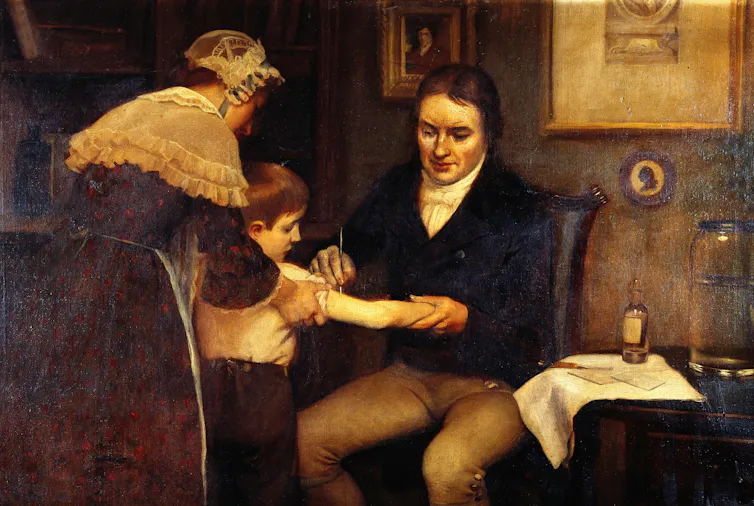
The adenovirus is stripped of its original instructions, or genes, that trigger disease, and replaced with blueprints for a small part of the coronavirus – the spike protein. The body’s immune system recognises the spike protein as foreign and makes antibodies that then protect against future coronavirus infection.
Viruses are not alive and need to infect cells to propagate. To make enough re-engineered adenovirus for vaccines, cells that closely resemble the target of vaccination (humans) are needed. This is one reason scientists use human cells to create adenovirus-based vaccines. The adenovirus used in these vaccines also tends to infect human cells better than other animal cell types, making it easier to create more copies of the virus in human cells. For this, embryonic cell lines are sometimes used.
Two embryonic cell lines have been used to develop COVID-19 vaccines: human embryonic kidney cells called HEK 293 and human embryonic retinal cells called PER.C6. The PER.C6 cell line is from an elective abortion in the Netherlands in 1985, and the HEK 293 cell line comes from an undisclosed source (either spontaneous miscarriage or elective abortion) in the Netherlands in about 1972.
Johnson & Johnson used PER.C6 cells in their COVID-19 vaccine development, and the Oxford/AstraZeneca vaccine used HEK 293 cells. CanSino Biologics and Gamaleya Research Institute’s Sputnik V vaccines have also used HEK 293 cells.
Moderna and Pfizer/BioNTech used HEK 293 cells in their proof-of-concept tests to see effectively take up the genetic instructions contained in these vaccines and produce the required spike protein. But human embryonic cell lines were not used to make either company’s final vaccine.
HEK 293 and PER.C6 cell lines have been genetically altered to include the part of the adenovirus instructions that trigger replication of adenoviruses. This allows the production of a large amount of the final vaccination product and allows the removal of the adenoviral replication instructions in the vaccine.
This prevents further replication of the adenovirus in the patient. So the delivered dose of adenovirus infects a relatively controlled number of host cells, which create a limited amount of coronavirus spike protein, enough for the body to mount an immune response.
After a large enough dose of coronavirus spike-containing adenoviruses is collected, the adenovirus is purified and isolated from the embryonic cell material for inclusion in the vaccine. No embryonic cells are included in the actual vaccine.
Why are they used?
Before human embryonic cell lines were available, animal cell lines, such as monkey kidney, dog kidney and chicken embryo cells, were used to develop vaccines.
Between 1955 and 1963, the polio vaccine was grown in monkey kidney cells that were later found to have been infected with a virus called simian virus 40 (SV40), making vaccinated people vulnerable to SV40 infection. Modern versions of the polio vaccine are still made in a similar manner but are now extensively filtered so that the original animal cell content is removed.
The polio vaccine is also an example of a different type of vaccination from the adenovirus-based vaccines. This type of vaccine is based on an inactivated version of the poliovirus that had been grown in monkey cells. Historically, concerns about potential contamination or endemic viral content in animal cell lines encouraged the search for and use of “cleaner” human cell lines.
Embryonic cell lines are considered “clean” since they have not had time to be infected by other potentially contaminating viruses, making them safe factories for generating adenovirus-based vaccines.
Using cells from electively aborted foetuses to develop vaccines is not new. Two human embryonic cell lines called WI-38 and MRC-5, derived from electively aborted foetuses in Sweden in 1962 and the UK in 1966, respectively, have historically been used to develop weakened or inactivated virus-based vaccines against chickenpox, shingles, rubella, hepatitis A, polio and rabies.
The polio component of the Quadracell vaccine and rabies vaccine called Imovax are based on inactivated viruses cultured in MRC-5 cells developed by Sanofi-Pasteur. Imovax replaced potentially dangerous, sometimes deadly versions of the rabies vaccine that had been produced in animal tissue.
The hepatitis A, chickenpox and shingles vaccines by Merck were produced using MRC-5 cells. Merck’s rubella component of the MMR vaccine along with the 1970 adenovirus vaccine were all produced using WI-38 cells.
In 2020, WI-38 cells were estimated to have saved over 10 million lives thanks to their contributions to the development of many vaccinations.
Despite their relatively recent foray into the biomedical field, human embryonic cell lines have made formidable contributions to modern medicine. They have played and promise to continue to play a major role in the rapid development of COVID-19 vaccines.
How The Conversation is different
Every article you read here is written by university scholars and researchers with deep expertise in their subjects, sharing their knowledge in their own words. We don’t oversimplify complicated issues, but we do explain and clarify. We believe bringing the voices of experts into the public discourse is good for democracy.
Beth Daley
Editor and General Manager
https://arstechnica.com/science/2021/04/the-very-common-vaccine-ingredient-at-the-center-of-jj-astrazeneca-drama/
VACCINE MYSTERY —
The very common vaccine ingredient at the center of J&J, AstraZeneca drama
Adenoviruses are an obvious link, but a puzzling suspect in the dangerous cases.
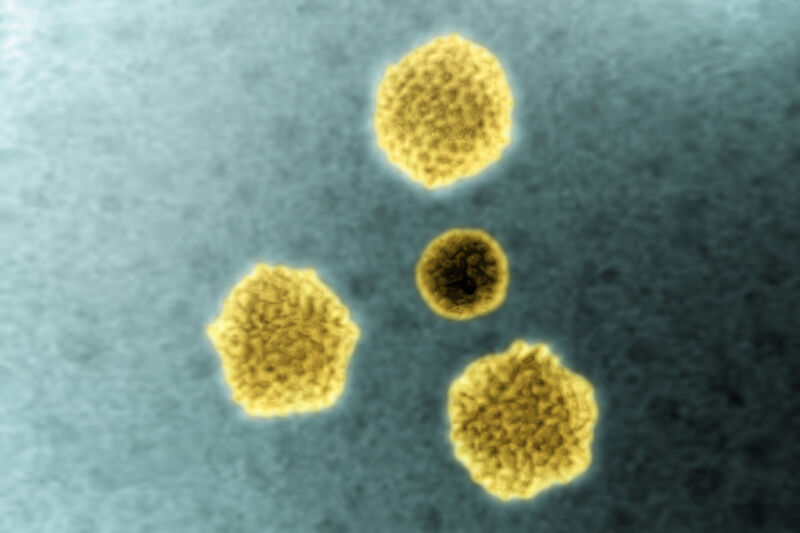
Out of an abundance of caution, US officials on Tuesday recommended pausing use of Johnson & Johnson’s COVID-19 vaccine. Officials linked the vaccine to six peculiar illnesses in which people developed life-threatening blood clots in combination with low levels of blood platelets, the cell fragments in blood that form clots. One person died from their condition and another is in critical condition.
It’s unclear if the vaccine caused the illnesses. Even if it did, the illnesses would represent an exceedingly rare side effect. The six cases occurred among more than 6.8 million people in the US who received the Johnson & Johnson vaccine. That would make it a side effect seen in fewer than one in a million. The risk of hospitalization and death from COVID-19, which the vaccine protects against, easily exceeds those odds. Without question, the benefits of the vaccine outweigh the potential risks.
Still, with robust supplies of vaccine from Moderna and Pfizer-BioNtech—neither of which have been linked to these unusual cases—US officials took the cautious route of pausing Johnson & Johnson’s vaccine while they investigate the cases further and inform clinicians about how to spot and treat any others that may arise. This latter point is critical, because if doctors try to use standard blood clot treatments in these vaccine-linked cases, the outcomes can be fatal.
Of course, the other critical aspect of this situation is that officials have seen these unusual cases before—linked to a similar COVID-19 vaccine developed by AstraZeneca and researchers at the University of Oxford. The AstraZeneca vaccine is not yet authorized for use in the US, but it has been authorized in many other countries, including those in the European Union. In recent weeks, regulators in the EU and the UK have investigated dozens of eerily similar cases, involving dangerous blood clots coupled with low platelets. Some estimates have pegged the reported case rate of one in 100,000 people vaccinated.
Trying now to connect all the dots and find answers, experts are eyeing the most obvious connection: both vaccines use an adenovirus vector, a viral delivery system used regularly in vaccine development.
At the moment, the adenovirus vector offers “the most straightforward explanation” for the possible side effects, says viral immunologist Hildegund Ertl, who develops adenovirus-based vaccines at the Wistar Institute in Philadelphia. Yet, the link to blood clots “took all of us by surprise,” she tells Ars. The situation has raised a slew of questions—as well as some doubts.
Vexing virus
Adenoviruses are a large family of very common viruses that cause a range of infections in humans, from mild colds and flu-like illnesses to pink eye, pneumonia, and gastroenteritis. Beyond humans, they can infect a range of animals, including pigs, cows, and chimpanzees. Researchers have been working with adenoviruses for decades. The Johnson & Johnson vaccine uses the adenovirus (Ad26), which was first identified in 1961 from anal swabs of children in Washington, DC. The AstraZeneca vaccine is based on an adenovirus that circulates in chimpanzees (ChAdOx1).
Over the years, researchers have considered adenoviruses useful delivery systems for vaccines and gene therapies. For starters, they’re easy to brew up in big batches in laboratory conditions. When engineered for vaccines, they can provoke potent immune responses in people against germs we want to fight. And they appeared relatively safe in humans, particularly since they’re often modified so they can’t replicate in our cells.
But adenoviruses have had a troubled past. Researchers all but abandoned their use in gene therapies in 1999 following the tragic death of 18-year-old Jesse Gelsinger. A team of researchers at the University of Pennsylvania had hoped to cure the teenager’s rare metabolic liver disease by correcting an underlying genetic mutation with new code—delivered in trillions of adenovirus vectors. The researchers used human adenovirus 5 (Ad5), which typically causes only a mild cold. In early tests, the therapy triggered only mild side effects and flu-like symptoms in animals and a human patient, The New York Times reported at the time. But in Gelsinger, the massive dose of virus vectors triggered a fatal immune response.
Researchers carried on with adenoviruses for vaccine development, where potent immune responses can be a plus instead of a peril. Programmed to be vaccine vectors, adenoviruses deliver key snippets of genetic code from dangerous viruses, bacteria, or parasites directly to human cells. From there, our cells translate the genetic code into protein, recognize it as foreign, and use it to train our immune systems to seek and destroy anything carrying the same protein. In the case of COVID-19, adenovirus-based vaccines carry the genetic code for the SARS-CoV-2 spike protein, which is the thorny protein that juts from the virus’s particle. The spike protein is what SARS-CoV-2 uses to enter human cells, and it's a key target for potent antibodies and other immune responses.
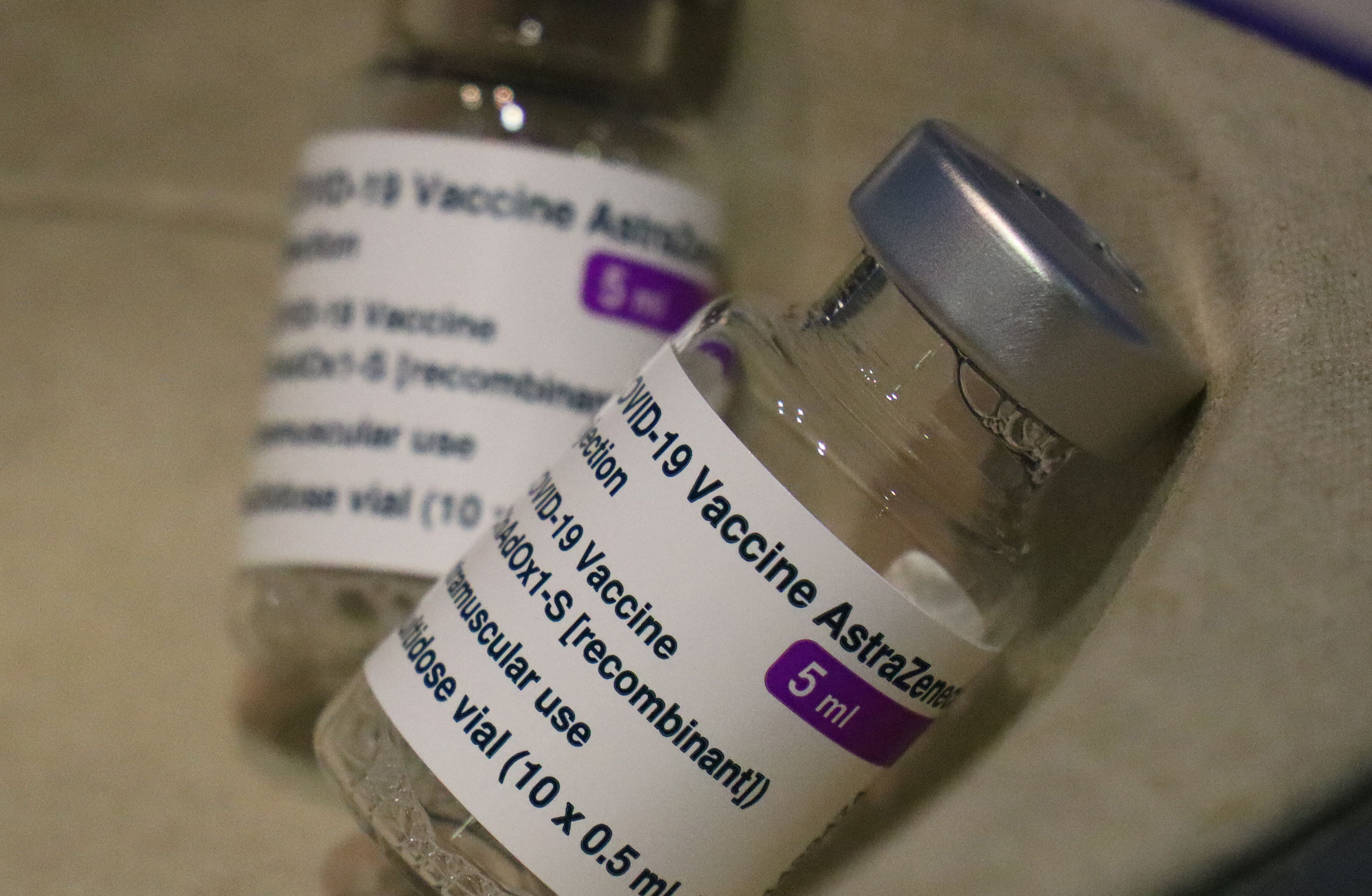
Shaky shots
Adenovirus-based vaccines have held a lot of promise over the years, but they have had notable stumbles, too. Nearly a decade after Gelsinger’s death, researchers halted a major trial of an Ad5-based HIV vaccine after data indicated that the vaccine increased the risk of becoming infected with HIV in people who had preexisting immune responses to Ad5. With the high-profile failure, many vaccine developers moved away from Ad5 to other adenoviruses—ones that people tend to have less preexisting immunity against, like chimpanzee adenoviruses.
Though researchers have been developing adenovirus-based vaccines against a slew of diseases—malaria, HIV, Zika, RSV (respiratory syncytial virus), and more—few have made it across the finish line and into use. Among the most successful is an Ad26-based Ebola vaccine made by Johnson & Johnson, which gained regulatory approval in Europe last year. The approval bolstered hopes for the company’s COVID-19 vaccine, which uses the same Ad26-based platform.
Early on in the pandemic, the adenovirus-based vaccines were often seen as front-runners, particularly AstraZeneca’s. Despite the checkered past of adenovirus vectors, the vaccine design was seen as a more established technology than the mRNA-based vaccines, which were completely unproven until the extraordinary success of COVID-19 vaccines from Moderna and Pfizer-BioNTech. Adenoviruses also have logistical advantages. They’re relatively cheap, easy to make, and easy to distribute. For instance, unlike the mRNA vaccines, which require ultra-cold storage conditions, AstraZeneca’s vaccine can handle normal refrigerator temperatures. Many experts and the World Health Organization have considered AstraZeneca’s vaccine to be the world’s go-to vaccine—a cheap, accessible vaccine that could be used in a variety of countries and settings.But as the mRNA vaccines sprinted ahead in the pandemic, AstraZeneca seemed to lurch from problem to problem. The vaccine’s troubles hit a critical point last month when more than a dozen countries temporarily suspended its use amid concerns that it was causing extremely rare blood clots. On April 7, an investigation by the EU’s European Medicines Agency concluded that there was a strong association between the vaccine and peculiar illnesses involving both blood clots and low platelets. The agency determined that they should be listed as “very rare side effects” of the vaccine, but it still urged countries to continue using the vaccine.
“The reported combination of blood clots and low blood platelets is very rare,” the agency noted. “The overall benefits of the vaccine in preventing COVID-19 outweigh the risks of side effects.”
Confusing clots
For its investigation, EMA reviewed 86 cases of blood clots among around 25 million people who received AstraZeneca’s vaccine in Europe and the UK. Sixty-two of the cases were diagnosed as cerebral venous sinus thrombosis (CVST), a rare form of stroke in which a clot prevents blood from draining out of the brain. The remaining 24 cases were diagnosed as splanchnic vein thrombosis, in which blood clots develop in veins that drain blood from the abdomen. Of those 86 cases, 18 people died.
As researchers had done before, the regulators noted the unusual combination of blood clots and low platelets. Having low platelets typically leads to increased bleeding, not increased clotting. But the combination was not entirely unheard of: it closely resembles a condition called heparin-induced thrombocytopenia or HIT. The condition arises rarely in people who are given heparin, which is an anticlotting drug. In these rare cases, heparin use backfires, leading to a drop in platelets and a hyperclotting state, which can lead to widespread clotting and death.
Researchers have already worked out that HIT develops because of an aberrant immune response. In a reaction to heparin that scientists don’t entirely understand, some patients start producing antibodies that attack a common platelet protein called Platelet Factor 4, or PF4. These antibodies seem to activate platelets and pro-clotting particles, while lowering platelet levels, ultimately leading to HIT.
Researchers quickly drew a connection between HIT and the blood clots seen with AstraZeneca’s vaccine, suspecting a similar berserk immune response. In an early study of patients who developed blood clots after vaccination, 28 patients tested positive for antibodies against PF4–heparin, even though none of them had been treated with heparin before becoming ill. They also all tested positive for platelet activation. The study authors, led by researchers in Germany, suggested that the immune reaction could be treated with nonheparin anticlotting drugs as well as a high dose of immune globulin, which has been shown to raise platelet counts and inhibit hyperclotting in HIT patients.
Common suspect
Though the data provides paths forward for more research and potential treatments, experts remain puzzled over how the vaccine might be causing a HIT-like condition in a very small number of patients. As viral immunologist Ertl at the Wistar Institute noted, the adenovirus vector was the obvious first suspect.
Researchers had noted years before that several adenoviruses can bind to platelets and activate them. In animal studies using adenoviral vectors for gene transfers, researchers had even seen the vectors trigger platelet activation and low platelet levels. That said, the small batch of adenovirus vectors delivered in a vaccine shot is unlikely to stick around and cause significant platelet activation seen in patients one or two weeks after their vaccination. But, researchers still say it’s possible that the interaction between the adenovirus vector and platelets, or PF4 specifically, could play some role in the unusual cases.
The German researchers who studied some of the early HIT-like cases have also speculated that the adenoviral vaccine’s DNA code could be the trigger. In their study, published in the New England Journal of Medicine, they note that they “have previously shown that DNA and RNA form multimolecular complexes with PF4, which bind antibodies from patients with heparin-induced thrombocytopenia and also induce antibodies against PF4–heparin in a [mouse] model.”
Still, Ertl has some doubts about these hypotheses. “Adenoviruses are extremely common and we have more than 50 serotypes that can infect humans,” she notes to Ars. “Most humans get adenoviruses over and over and over.” In all of her research and literature searches, she found no references of these blood clots after natural adenovirus infection. “So that makes me wonder about this particular explanation… Why on Earth does this only happen after you give it as a vaccine, but not after a natural infection?”
The hypothesis seemed to carry a little more weight after Tuesday, when US officials announced the six cases in connection with Johnson & Johnson’s vaccine—another adenovirus-based vaccine.
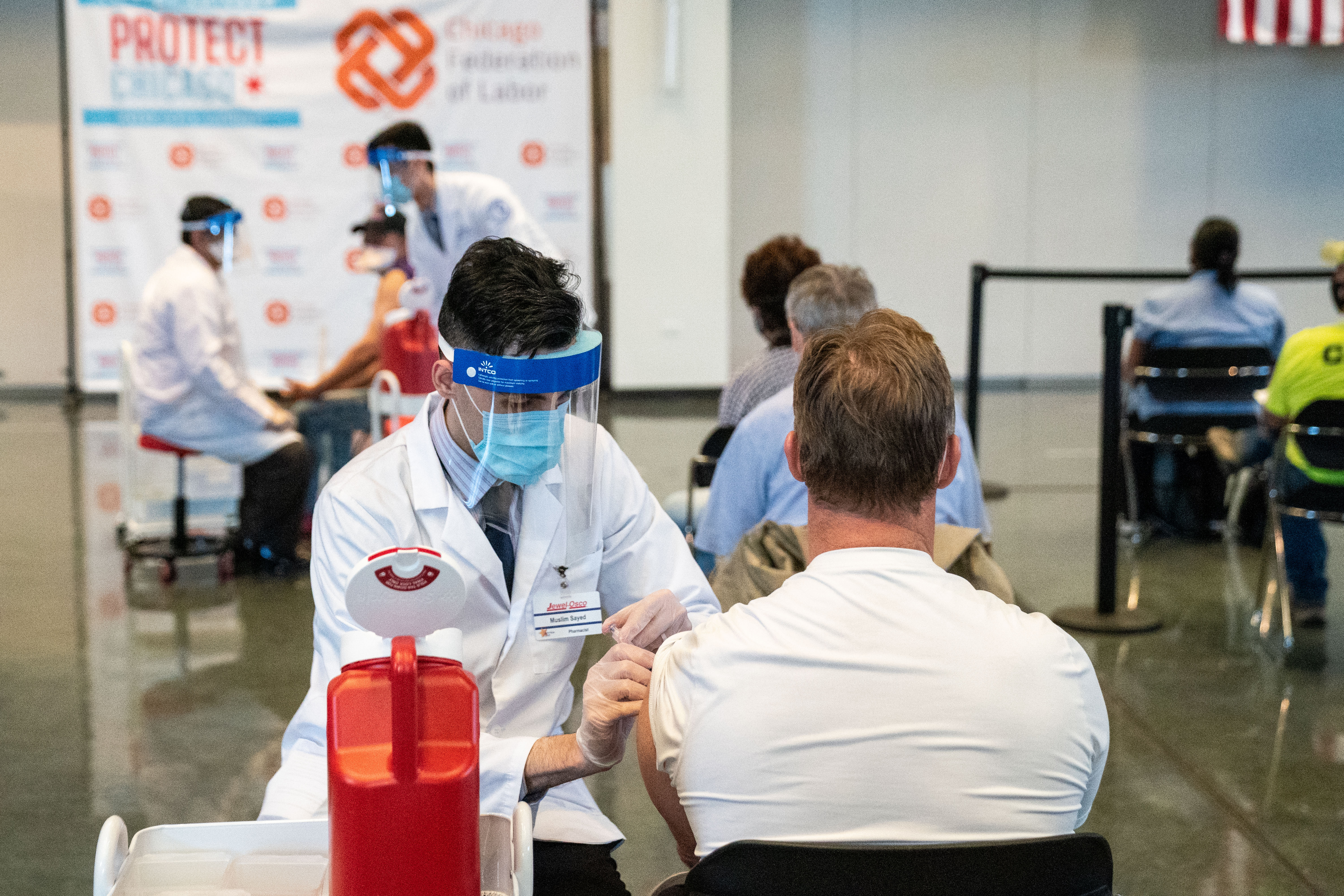
Class questions
Though researchers have been on the lookout for other HIT-like conditions across all of the vaccines, use of Johnson & Johnson’s vaccine has lagged behind use of AstraZeneca’s vaccine and that of the mRNA vaccines. In a press briefing April 7, Peter Arlett, the head of data analytics at the EMA, said there was an early sign of an increased risk of these blood-clotting conditions in Johnson & Johnson’s clinical trial, but the trial wasn’t able to confirm or disprove the link. Even the largest clinical trials aren’t large enough to detect extremely rare side effects that may crop up in one-in-a-million people.
In this case, it may not just be about the numbers, however small they are, said Peter Marks, the top vaccine regulator with the Food and Drug Administration, during a press briefing Tuesday. We can look at background rates of clotting conditions like CVST and background rates of low blood platelets, Marks said. But “it’s their occurrence together that makes a pattern and that pattern is very, very similar to what was seen in Europe with another vaccine.”
When pressed to say whether these blood clotting conditions could be a risk for all adenovirus-based vaccines, Marks was uncertain but left the idea standing. “I hesitate to call it a class effect,” he said. “But I think it’s plainly obvious to us already that what we’re seeing with the Janssen [Johnson & Johnson] vaccine looks very similar to what was being seen with the AstraZeneca vaccine… The AstraZeneca vaccine is a chimpanzee adenoviral vector vaccine, the Janssen is a human adenoviral vector. So, I can’t make some broad statement yet, but obviously they are from the same general class of viral vectors.”
Ertl was more skeptical, saying that she’d like to see more data on the vaccines and their link to the cases. She noted that AstraZeneca and Johnson & Johnson are not the only companies with adenoviral-based COVID-19 vaccines in use. China’s CanSino vaccine and Russia’s Sputnik V vaccines also use adenoviruses (Ad5, and an Ad5/Ad26 combination, respectively). It’s unclear if those vaccines are also being linked to these unusual clotting disorders.
But even if the clotting conditions are due to the adenovirus vectors, Ertl emphasizes that the risk is still extremely small, the vaccines should still be used, and there’s hope for adenoviral vectors ahead.
“Adenoviruses have taken a lot of hits in their lifetime,” she laughed. “I think we will find out a lot fairly rapidly… There is so much motivation right now to figure out what’s going on. I think they’ll get answers reasonably soon,” she said. “And once we know what’s causing it, I am very confident that we can fix it.”
https://www.kminjurylawyers.com/firm-news/blog/2020/november/the-gardasil-ingredients-not-listed-on-the-packa/
The Gardasil Ingredients not listed on the Package Insert
According to the U.S. Food and Drug Administration, Gardasil ingredients include proteins of HPV types 6,11,16,18,31, 33, 45, 52, and 58; amorphous aluminum hydroxyphosphate sulfate; yeast protein; sodium chloride; L-histidine; polysorbate 80; sodium borate; and water for injection.
What is an Adjuvant?
An adjuvant, in immunology, is an agent added to a vaccination in order to enhance the immune system response to a vaccine’s particular antigen. An adjuvant is included within the vaccination itself along with the antigen to help the body produce antibodies against that specific antigen. The Centers for Disease Control (CDC) states that adjuvants “help vaccines work better” by helping the body produce antibodies as protection against the disease being vaccinated against.
However, these adjuvants present in Gardasil have been shown to cause serious side effects.
Aluminum
Amorphous Aluminum Hydroxyphosphate Sulfate (AAHS) is an additive in Gardasil meant to produce a stronger and longer immune response. Aluminum, however, is known to be neurotoxic if it accumulates in the brain.
According to a study published in Scientific Reports, “the brain is a target tissue for accumulation of aluminum.” The study confirms previous research that higher levels of aluminum exist in the brain tissue of individuals with Alzheimer’s disease, autism, and multiple sclerosis.
There is no human safety testing data on AAHS. Merck has refused to provide Neither Merck nor governmental regulators have safety-tested AAHS in humans.
The many toxic effects of aluminum include:
- Impairing cognitive and motor function
- Altering of DNA, chromatin RNA structure
- Inducing autoimmune interactions and macrophagic myofasciitis, a rare muscle disease
- Blocking neuronal signaling
- Binding to protein and affecting protein function
- Inhibiting antioxidant enzyme action
- Interfering with synaptic transmission and disrupting mitochondria and organelles in cells
Polysorbate 80
Polysorbate 80 is a substance that reduces the surface tension of liquids; it is used in vaccines as an emulsifier to keep ingredients evenly distributed throughout the liquids. It weakens the blood-brain barrier and binds tightly to aluminum, and has been associated with anaphylactic shock along with hypersensitivity. The American College of Pediatrics has warned that Gardasil is linked to a condition called Premature Ovarian Failure, also known as early menopause, noting that either the aluminum or polysorbate 80 may be what’s causing the condition.
Sodium Borate (Borax)
Sodium Borate, also known as Borax, has been banned in food in the United States due to its potential to harm the male reproductive system and the developing fetus. The acute toxic reactions it can cause when eaten or inhaled raises the question of what types of reactions this adjuvant can cause when it’s injected into the human body, as the intensity of toxic reactions can change with the route of exposure.
L-Histidine
The chemical compound, L-Histidine, also called Histidine, is the compound the body uses to make another chemical, Histamine. Histamines are a part of the body’s own immune system, produced in an effort to rid itself of harmful substances (eg. pollen, food, grass); they are also involved in many additional bodily functions that involve the central nervous system, cardiovascular system, and the respiratory system.
Genetically Modified Yeast
Saccharomyces cerevisiae, the type of yeast used in the Gardasil vaccine, can cause an autoimmune response in the body leading to autoimmune disease. A study published in PubMed.gov stated that “a growing number of studies have detected high levels of ASCAs [antibodies to S. cerevisiae] in patients affected with autoimmune diseases.”
Undisclosed HPV DNA Fragments
Samples of Gardasil examined by Dr. Sin Hang Lee, a pathologist with expertise in DNA sequencing and DNA sequence analysis, found fragments of actual HPV DNA.
Dr. Lee said, “HPV DNA in Gardasil is not ‘natural’ DNA. It is a recombinant HPV DNA (rDNA), genetically engineered, to be inserted into yeast cells for virus-like-particle (VLP) protein production. rDNA is known to behave differently from natural DNA. It may enter a human cell, especially in an inflammatory lesion caused by the effects of the aluminum adjuvant, via poorly understood mechanisms … Once a segment of recombinant DNA is inserted into a human cell, the consequences are hard to predict.”
These HPV DNA fragments are not disclosed in the package insert.
Why is there a Lawsuit being filed against Merck?
The lawsuit accuses Merck of purposely downplaying the potential risk of Gardasil; including a neurotoxic aluminum compound, secret DNA adjuvant, and potentially hazardous DNA fragments of HPV.
Merck has been accused of negligence, failure to warn about side effects, manufacturing a defective drug, breach of warranty, fraud, and violation of the State’s Deceptive Trade Practices Act.
How can a Personal Injury Attorney Help?
Kwartler Manus aggressively fights for the rights of consumers to be honestly informed about the risks and benefits associated with any drugs, vaccinations, chemicals, or medical devices.
If you or your child experienced an adverse event after receiving the Gardasil vaccine, Kwartler Manus, LLC is here for you. We want to help you recover compensation from Merck because we believe in holding these kinds of manufacturers accountable.https://www.vaccinesafety.edu/components-Excipients.htm
Moderna’s Mysterious Coronavirus Vaccine Delivery System

On Monday, Vice President Mike Pence helped launch the big late-stage trial of Moderna Therapeutics’ Covid-19 vaccine. “It is remarkable to think that Moderna—that will be initiating this phase 3 clinical trial—actually entered phase 1 back in March,” Pence said.
Moderna has moved lightning fast and is doing work based on bleeding-edge messenger RNA technology that could result in a viable vaccine. There is widespread hope Moderna’s vaccine will play an important role in combating the pandemic. To aid the effort, Moderna has secured $955 million of commitments from the federal government’s Biomedical Advanced Research and Development Authority (BARDA).
Wall Street also has high expectations for the vaccine, and Moderna’s stock has quadrupled this year to a market valuation of $30 billion, allowing Moderna to raise $1.3 billion in a May stock offering. Moderna insiders have sold some $250 million of shares as the stock has soared.
With the stakes incredibly high, the mystery around a key technological component of Moderna’s coronavirus vaccine has only become deeper. Last week, the U.S. Patent Trial and Appeal Board rejected Moderna’s challenge to a patent owned by Arbutus Biopharma
For a decade, Moderna has been working to develop mRNA technology that could turn the body’s cells into drug factories. In order for the approach to work, Moderna needs to safely deliver the mRNA to the body’s cells without the payload breaking down in the bloodstream. As a result, any mRNA vaccine or therapeutic consists of two components, the actual sequence mRNA and the delivery mechanism. Moderna has clearly engineered the first component, but there remain questions about the second. No mRNA vaccine or medicine has ever been approved by U.S. or European regulators.
Even though Moderna took the trouble to try to invalidate the patent owned by Arbutus, a small Canadian biotechnology company, Moderna said after it lost its patent challenge that its LNP technology had advanced well beyond the technology described in the Arbutus patent. Moderna claimed the LNP used to make mRNA-1273, its Covid-19 vaccine candidate, is not covered by the Arbutus patent. “Moderna is not aware of any significant intellectual property impediments for any products we intend to commercialize, including mRNA-1273,” the company said.
In June, researchers from the NIH and Moderna made a manuscript preprint of preclinical data for mRNA-1273 available on bioRxiv, an open-access preprint repository. The preprint described Moderna’s coronavirus vaccine candidate as using delivery technology that appears to be covered in the Arbutus patent that was upheld last week. The preprint of the study that tested the vaccine in mice described the mRNA for mRNA-1273 as being encapsulated into LNP “at molar ratio of 50:10:38.5:1.5 (ionizable lipid:DSPC:cholesterol:PEG-lipid).”
The first claim of the upheld Arbutus patent describes “a cationic lipid comprising from 50 mol % to 65 mol % of the total lipid present in the particle;” a non-cationic lipid comprising a mixture of phospholipid and cholesterol, where the “phospholipid comprises from 4 mol % to 10 mol %” and the cholesterol comprises “30 mol % to 40 mol %;” and a conjugated lipid “comprising from 0.5 mol % to 2 mol %.”
In a statement to Forbes, Ray Jordan, Moderna’s chief corporate affairs officer, said the June preprint describes data generated using a preclinical research formulation of a SARS-CoV-2 vaccine that is not the same as the vaccine itself.
“While the authors of the preprint used the term ‘mRNA-1273’ for convenience of the reader, the preprint does not describe the cGMP process by which we make our messenger RNA and LNP or the final drug product composition in our commercial candidate (mRNA-1273),” Jordan wrote in a statement.
When asked if Moderna would provide the molar ratios at which mRNA-1273 encapsulates its LNP, Jordan said, “Nope, we are not disclosing our proprietary ratios at this time.”
In a different preclinical study testing Moderna’s vaccine in non-human primates that was published in The New England Journal of Medicine on Monday, the authors wrote mRNA-1273 is encapsulated in LNP as described in a 2019 paper, which said the mRNA was encapsulated at the same molar ratios as in the mouse study.
The description of the phase 1 study of Moderna’s coronavirus vaccine registered with the federal government shows the LNP for mRNA-1273 is composed of an ionizable (cationic) lipid; cholesterol; DSPC (phospholipid) and PEG2000-DMG (conjugated anti-aggregation lipid). The percentages of the four components in the formulation of mRNA-1273 were not disclosed in the clinical trial registration or the July publication of an interim analysis of the Phase 1 study of mRNA-1273 in The New England Journal of Medicine. The appendix of the interim analysis redacts information associated with LNP.
For years, Stephane Bancel, the billionaire CEO of Moderna, has said the company had moved beyond the delivery technology owned by Arbutus. “We knew it was not very good,” he told Forbes in 2016. “It was just okay.” He said Moderna was producing its own nanoparticle lipids, N1GEL, for example, and licensing another from Merck
When Moderna was first getting off the ground, Bancel turned to a tiny company called Acuitas to get access to a delivery technology for his mRNA vision. Acuitas was headquartered in the Vancouver, British Columbia, home of Thomas Madden, who founded it in 2009. Madden had been involved in a lawsuit with Tekmira Pharmaceuticals, which had merged with a company Madden had worked for and eliminated his position. Through the litigation, Madden secured a license for the LNP technology he had helped develop. Bancel decided to get a license for the LNP technology from Acuitas and not Tekmira, which later changed its name to Arbutus.
In 2016, Arbutus terminated Acuitas’ license to the LNP technology, causing Acuitas to sue Arbutus in British Columbia court. Arbutus countersued, claiming Acuitas had no right to sublicense the LNP technology to Moderna. A B.C. judge issued a temporary 2017 injunction stopping Acuitas from further sublicensing the LNP technology.
A year later, in 2018, Arbutus reached a settlement with Madden that terminated Acuitas’ license and stipulated Moderna could only use the technology in four vaccines that targeted viruses that had already been identified.
The Arbutus patents have since been taken over by Genevant Sciences, a subsidiary of Roivant Sciences, which is Arbutus’ biggest shareholder and run by Vivek Ramaswamy. Arbutus retains a stake in Genevant and a right to a portion of the economics of the patents. Genevant declined to comment.
In the years since the Acuitas settlement, other vaccine candidates developed by Moderna have been described in publications with LNP technology comprised of the four components listed in the Arbutus patent with formulated percentages that seem to run through the patent. For example, publication of a study of an HIV vaccine listed on Moderna’s website in July describes mRNA as being encapsulated by LNP “at molar ratio of 50:10:38.5:1.5 (ionizable lipid:DSPC:cholesterol:PEG-lipid).”
Moderna has challenged three of the Arbutus patents at the adjudicative body within the U.S. Patent and Trademark Office. One of its challenges was successful, another partially successful, and the challenge against the third patent was lost last week. There are three other relevant Arbutus patents that Moderna has not tried to challenge.
Whatever happens on the intellectual property front, it is highly unlikely that a patent issue will get in the way of the development or distribution of a Covid-19 vaccine. But shareholders of Moderna’s hot stock were broadly warned in a May securities filing that the company had instituted inter-partes review proceedings against issued U.S. patents related to mRNA delivery and the unsuccessful invalidation of those patents might lead to the kind of litigation that could result in substantial damages.
Taxpayers also might have an interest in knowing the ownership of the delivery technologies used by an mRNA vaccine backed by nearly $1 billion of federal government funds. When asked about the delivery technologies, a spokesperson for the Department of Health and Human Services, which houses BARDA, said that intellectual property is assessed for any company submitting a proposal to BARDA, as part of the proposal evaluation process.
I am a senior editor at Forbes who likes digging into Wall Street, hedge funds and private equity firms, looking for both the good and the bad. I also focus on the
…https://childrenshealthdefense.org/defender/inactive-ingredients-covid-vaccines-allergic-reactions/
These ‘Inactive’ Ingredients in COVID Vaccines Could Trigger Allergic Reactions
COVID vaccine makers have not only introduced new primary ingredients to the U.S. vaccine stage, but they’ve bundled these new ingredients with “inactive” ingredients in unprecedented ways that raise the risk for dangerous allergic reactions.
 32
32



The Defender is experiencing censorship on many social channels. Be sure to stay in touch with the news that matters by subscribing to our top news of the day. It's free.
The Centers for Disease Control and Prevention (CDC) claims that vaccines “use only the ingredients they need to be as safe and effective as possible.” The star of the show in any vaccine is the “active” ingredient, which is the one designed to create an antibody response.
But the other, supposedly “inactive” ingredients — known as excipients — also play significant, and in many cases risky, co-starring roles.
Studies of licensed vaccines have identified many problems with these secondary ingredients — adjuvants like aluminum, preservatives like thimerosal and stabilizers like gelatin — not to mention highlighting the presence in vaccines of residual DNA from cell lines used in the manufacturing process as well as disclosed and undisclosed contaminants.
With the advent of three experimental COVID injections approved for emergency use in the U.S., manufacturers have introduced new primary ingredients to the U.S. vaccine stage — messenger RNA (mRNA) in the Pfizer and Moderna injections and an adenovirus vector in the Johnson & Johnson (J&J) injection.
Not only that, but vaccine makers have bundled these new primary ingredients with “inactive” excipients in unprecedented ways — polyethylene glycol (PEG) in the case of the mRNA vaccines and polysorbate 80 in the J&J shot.
PEGs and polysorbates are structurally similar and are also sometimes combined in a PEG-polysorbate 80 mixture that is “substantially the same as that of … pure PEG.” Pre-COVID, both compounds had already been flagged for their ability to cross-react and produce immediate hypersensitivity reactions, a type of “exaggerated or inappropriate” immune response that can include anaphylaxis.
Given that at least 1,689 recipients of the Pfizer and Moderna injections have reported anaphylactic or serious allergic reactions (as of March 5), and that two J&J clinical trial participants also suffered severe allergic reactions, some allergy experts are recommending that closer attention be directed to the risks of both excipients.
Hypersensitivity to structurally similar excipients
Children’s Health Defense has written extensively about the risks of PEG, the coating for the lipid nanoparticle RNA delivery system in the Pfizer and Moderna injections. Two recent studies echo some of the concerns we raised.
Writing in The New England Journal of Medicine (NEJM) in February, physician-researchers Mariana Castells (Brigham and Women’s Hospital) and Elizabeth Phillips (Vanderbilt University) note that “no other vaccine that has PEG as an excipient has [ever] been in widespread use” until COVID. The two authors then zero in on the evidence linking PEG to anaphylaxis, suggesting that it may represent a “hidden danger.”
In fact, leading Food and Drug Administration (FDA) official Peter Marks acknowledged in December that PEG could be the “culprit” responsible for anaphylaxis observed following COVID vaccination.
Although Castells and Phillips state that the anaphylaxis risks of adenoviral-vectored vaccines formulated with polysorbate 80 — vaccines like J&J’s — are “currently unknown,” Phillips and other Vanderbilt colleagues published a paper in mid-2019 (in the Journal of Allergy and Clinical Immunology: In Practice) that reported a startling discovery, namely that “Immediate hypersensitivity to polyethylene glycols and polysorbates” is “more common than we have recognized.”
In that paper, Phillips and her colleagues also warned their fellow allergists that the similarities between polysorbates and PEGs may produce cross-reactive hypersensitivity that is likely “under recognized in clinical practice.”
Unlike the PEGs making their debut as vaccine excipients, polysorbate surfactants (polysorbate 80 or polysorbate 20) are already present in numerous licensed vaccines — including vaccines with diphtheria-tetanus-pertussis components, hepatitis A and B vaccines, vaccines against influenza and rotavirus, meningococcal and pneumococcal vaccines, shingles injections and Gardasil 9.
Disturbingly, nearly all of these vaccines list anaphylaxis and anaphylactoid reactions as documented adverse events in their package inserts, although the inserts offer no explanation or even speculation about the specific triggering agent(s).
The use of polysorbate 80 in vaccines also raises other potential concerns that have not attracted sufficient attention, including the compound’s ability to cross the blood-brain barrier and potential evidence of carcinogenic activity in animal studies.
The mysteries of sensitization
Allergic sensitization is a complicated affair that even allergists do not fully comprehend, and there are ongoing questions about the mechanism of sensitization to PEGs (and, by implication, to polysorbates).
In their 2019 paper, Phillips and co-authors describe two case studies involving recurrent exposures to medical products relying on PEG excipients (colonoscopy preparations and corticosteroids), also describing occupational exposure from glycol-containing hydraulic fluids. In both instances, these exposures resulted in cross-reactivity to polysorbates.
In his final exposure to PEG, the first patient lost consciousness, “knocking a hole in the drywall with his head,” and after experiencing plummeting blood pressure of 60/20 spent a night in the emergency room. Subsequent skin testing showed positivity to polysorbate-80-containing products ranging from a corticosteroid (triamcinolone acetonide) and eye drops to a pneumococcal vaccine.
The scenario was similar for the second patient, who became dangerously hypotensive following PEG exposure, ended up in the emergency room and had a positive allergy skin test to the same polysorbate-containing corticosteroid.
Both case studies hint at one of the central problems with PEGs and polysorbates: They are everywhere, potentially offering numerous opportunities for sensitization. For example, PEGs are used in drugs, cosmetics, personal care items such as toothpaste and shampoo, bowel preparations for colonoscopy and as a food additive.
As a result of industry’s pervasive reliance on PEGs, approximately 72% of contemporary samples of human blood analyzed in 2016 revealed detectable and sometimes high levels of anti-PEG antibodies — with 8% displaying extremely elevated levels strongly associated with anaphylaxis.
No comparable study seems to be available for polysorbates, but a 2005 study drew attention to polysorbate 80 as “a ubiquitously used solubilizing agent that can cause severe nonimmunologic anaphylactoid reactions” and described its “current relevance as a ‘hidden’ inductor” of such reactions.
In addition to their presence in vaccines, the FDA allows polysorbates’ direct use in foods (“as adjuvants of flavoring agents or as multipurpose additives”) and also permits an “indirect” food additive role.
Examples of these food uses include as an emulsifier in ice cream and other frozen desserts, as a “solubilizing and dispersing agent” in pickles and as a “defoaming agent” for cottage cheese. The cosmetics and personal care industries make liberal use of polysorbates in skin products and makeup.
Phillips’ 2019 paper includes a medication excipient review. In the review, the authors identify 1,155 FDA-approved medications containing PEG 3350 (one type of PEG) as an active or inactive ingredient, most commonly in “film coated tablets, topical gels, and parenteral [intravenous or injected] steroids.”
In addition, about six times as many FDA-approved medications (N=6,821) contain polysorbate 80 (as either an active or inactive ingredient), mostly in the same types of products as well as in vaccines.
Recommendations ignored
CDC officials maintain that anaphylaxis following COVID vaccination is a “rare event,” but Castells and Phillips, in their 2021 NEJM paper, report that “the incidence of anaphylaxis associated with the Pfizer SARS-Cov-2 mRNA vaccine appears to be approximately 10 times as high as the incidence reported with all previous vaccines.”
They also note that “preexisting sensitization to a component of the vaccine” (such as a PEG or polysorbate excipient) could account for the types of reactions being observed.
Importantly, they not only recommend that patients who have experienced anaphylaxis after a Pfizer or Moderna injection avoid any further exposure to PEG-formulated mRNA vaccines, but also that such individuals avoid “all PEG and injectable polysorbate 80 products.”
Disturbingly, the CDC is ignoring this prudent recommendation. Au contraire — making no mention of the issue of potential PEG-polysorbate cross-reactivity, the CDC, according to a March 1 CNBC report, says “that people who have an allergic reaction to the first dose of either the Pfizer or Moderna vaccine could get the J&J vaccine instead.”
On its webpage providing “Information about COVID-19 vaccines for people with allergies,” the CDC tells people who have had a severe or immediate allergic reaction to “any ingredient in an mRNA COVID-19 vaccine” not to get the Pfizer or Moderna vaccines, and warns individuals who have had a severe or immediate allergic reaction to any ingredient in J&J’s COVID vaccine not to get that injection.
Allergy expert Scott Commins at the University of North Carolina at Chapel Hill endorses the J&J shot as “safe for the overwhelming majority of people with food or environmental allergies.” While conceding that polysorbates are associated with “very rare allergic reactions,” Commins states that because they are so common, “people with sensitivity to polysorbate may already know.”
However, the remarks of an individual who commented on a January STAT news report about vaccine-related allergic reactions illustrate the difficulty that members of the public may have in sorting through these complexities:
“I have stage 4 carcinoid cancer, medically induced diabetes, asthma … I want to take vaccine but have had mild to anaphylactic reaction to meds. Some like Contrast dye with iodine suddenly developed severe reaction after decades of no issues. Had terrible reaction to flu vac yrs ago … I don’t know which meds contain polysorbate or polyethylene glycol to know if I’m allergic to ingredients in vaccine.”
Writing in late January, a month before the FDA’s Emergency Use Authorization of the J&J COVID vaccine, the American Academy of Allergy Asthma & Immunology (AAAAI) stated that there is “no consensus” on how to evaluate a patient’s history of severe reactions to PEGs or polysorbates in advance of vaccination, but noted that “some would argue that [skin] testing to the vaccine is required.”
Although not foolproof (false negatives are possible), skin testing for PEG and polysorbate by an allergist can be informative for people who are uncertain of their allergy status. Some healthcare facilities are now offering such testing.
The AAAAI adds, “If skin testing is positive the individual is not a candidate for the currently available mRNA vaccines,” also stating that skin testing for polysorbate reactivity could become important should the J&J vaccine enter into general use.
Alarmingly, the media are fostering the perception that J&J’s vaccine is “allergy free,” even going so far as to state that “clinics may not need to watch patients for severe reactions for 15 minute after getting the shot.”
Even more sobering, Castells and Phillipps remind us that the uber-healthy individuals typically studied in clinical trials “may not reflect a predisposition to adverse events that may exist in other populations.”
Only time will tell whether the individuals taking J&J’s COVID injection because they believe it to be “allergy free” have been steered in a safe direction.