
Surfactants are molecules that spontaneously bond with each other to form sealed bubbles.[1] Surfactants are compounds that lower the surface tension (or interfacial tension) between two liquids, between a gas and a liquid, or between a liquid and a solid. Surfactants may act as detergents, wetting agents, emulsifiers, foaming agents, or dispersants.
The word "surfactant" is a blend of surface-active agent,[2] coined c. 1950.[3]
Agents that increase surface tension are "surface active" in the literal sense but are not called surfactants since their effect is opposite to the common meaning. A common example[of what?] is salting out: by adding an inorganic salt to an aqueous solution of a weakly polar substance, the substance will precipitate. The substance may itself be a surfactant - this is one of the reasons why many surfactants are ineffective in sea water.
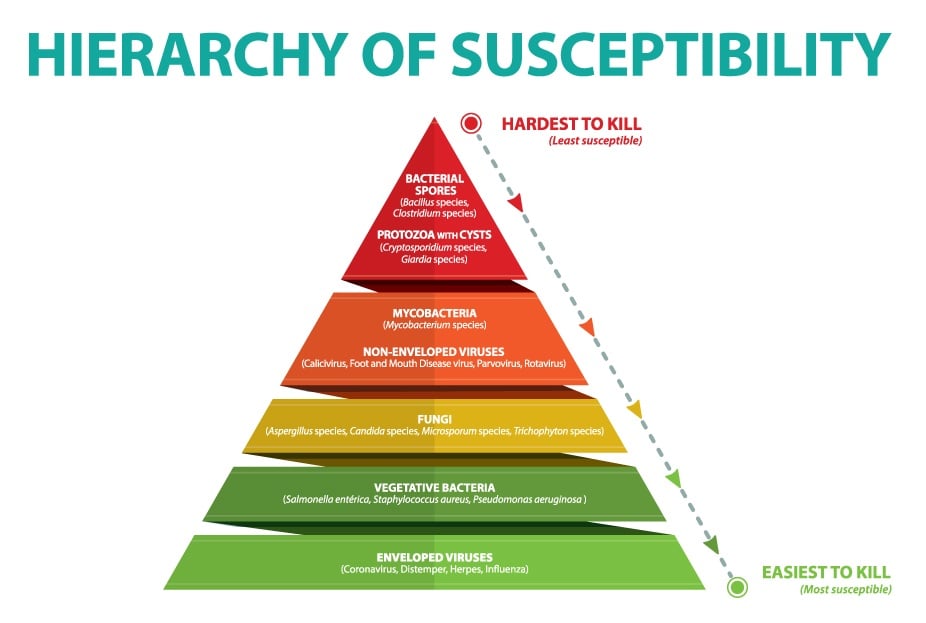
How hard is it, really, to kill the SARS-CoV2 Virus?
No comments:
Post a Comment
Note: Only a member of this blog may post a comment.